
Reviewed · ARAL SEA AND SHIP CEMETERY TOURS
Aral Sea Adventures (2 day)
The most striking part of this trip is not simply reaching the Aral Sea. It is watching western Uzbekistan change outside your window, from Khiva’s tiled monuments to empty desert, ancient burial grounds, Soviet-era shipwrecks, and the water’s uncertain edge. About 1,000 kilometers are covered in two days, so this is a serious road trip, not a gentle side excursion.
I like the private format, with air-conditioned transport, hotel pickup, water, and room for your group alone. I also like the unusual mix of stops: the Savitsky Museum adds art and culture, while Muynak and the ship cemetery show the human cost of the Aral Sea disaster. The drawback is plain: the driving days are long, and meals, entrance fees, and the yurt camp cost extra.
Key points before you book
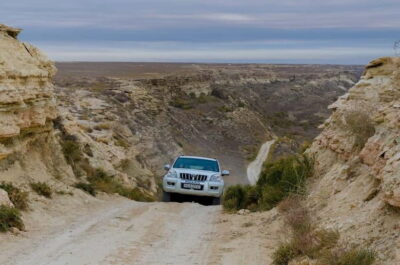
- Two cars handle different terrain: a sedan and a 4×4 are used for the round trip, with experienced drivers familiar with desert roads.
- The Aral Sea is only part of the story: Chilpik Kala, the Savitsky Museum, Mizdakhan Necropolis, Muynak Museum, and the ship cemetery add strong cultural and historical context.
- Expect an early start: departure from Khiva’s Ichan Kala west gate is at 6:00 a.m.
- The yurt night is optional and extra: accommodation costs $40 per person and includes dinner and breakfast.
- This is private and flexible: the tour can start or finish in Khiva, Urgench, or Nukus by arrangement.
- The value improves with three people: the $699 price is per group of up to three, rather than per person.
Why the Aral Sea makes this a remarkable road trip
The Aral Sea is often described as an environmental tragedy, but that phrase can feel abstract until you reach Muynak. This journey lets you see the story in stages. You begin in the old cities of the Khorezm region, then move through Karakalpakstan, where the roads stretch across dry country and settlements grow farther apart.
The final sight is not a traditional seaside resort. The shoreline has retreated dramatically, and the sea appears as a remote, fragile presence. That contrast gives the trip its emotional force. You are not just ticking off a famous destination. You are seeing the remains of a former port economy and the region that grew around it.
The route also gives you more than one way to understand western Uzbekistan. Ancient Zoroastrian remains, Islamic pilgrimage sites, modern art, Soviet industrial history, and ecological change all appear within two days. That range is the tour’s greatest strength.
It is also why you should not judge the trip by driving time alone. You will spend many hours in the car, but the stops keep the journey from becoming a simple transfer to the sea.
More aral sea and ship cemetery tours in Khiva:
- From Khiva To Aral Sea 2-Days One Night In Yurt Stay
★ 4.6 · 20 reviews - Daytrip From Khiva to Aral Sea Cemetery Of Ships . All In One
★ 4.5 · 18 reviews - Private Daytrip to Muynak and Nukus
★ 5.0 · 10 reviews
Day one begins at 6:00 a.m. in Khiva
The tour starts at the west gate of Ichan Kala, Khiva’s famous walled old town, at 6:00 a.m. Hotel pickup and drop-off are included, and the trip can be arranged to begin or end in Khiva, Urgench, or Nukus. Confirming the exact pickup point matters, especially if you are staying inside or near Ichan Kala.
Two vehicles are used for the journey, one sedan and one 4×4. The air-conditioned cars are important here. Desert roads, long distances, and changing road conditions can make a cramped or poorly cooled vehicle unpleasant very quickly.
The drivers are described as experienced with desert conditions and smooth in their handling. That is not a minor detail. With roughly 1,000 kilometers covered in two days, driver comfort and steady pacing will shape your entire impression of the trip.
Audio guide material is included, which helps during long stretches between stops. Olimjon is the main contact named in the tour information and has been praised for clear communication, practical help, and useful explanations before departure. You should still treat the audio material as support rather than a replacement for asking questions at the sites.
Chilpik Kala offers the first great view
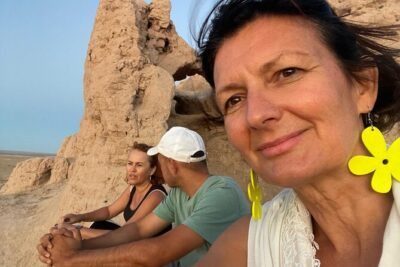
Chilpik Kala, also called Chilpyk or Shilpiq qala, is an ancient Zoroastrian dakhma, or tower of silence. The round, roofless structure is more than 2,200 years old, about 15 meters high, and roughly 65 meters across. It sits on top of a hill, making it visible from a distance and giving you a wide view over the surrounding dry country.
You have about 30 minutes here. That is enough to see the monument, take photographs, and consider its setting, but it is not a long archaeological visit. Admission is not included, so budget for a separate ticket.
The site is valuable because it immediately shifts your attention away from Khiva’s decorated architecture. Chilpik Kala is spare and exposed. Its form, purpose, and isolated position give you an early sense that Karakalpakstan is a place shaped by older beliefs, wide distances, and difficult conditions.
Wear practical shoes and be ready for open sun and wind. The tour requires moderate physical fitness, and even short visits can feel more demanding when the weather is cold, hot, or rough.
The Savitsky Museum changes the pace in Nukus
The State Museum of Art named after I.V. Savitsky is in Nukus, the main city of Karakalpakstan. You have about one hour inside, with admission charged separately at $7 per person.
This stop is an excellent counterpoint to the desert. The museum is known for its major collection of Russian and Central Asian art, including works that were preserved far from the political centers where they were created. The visit gives the trip a cultural center, not just a chain of roadside monuments.
One hour is useful but limited. If you are especially interested in modern art, Russian avant-garde work, or Central Asian artists, you may wish you had more time. Still, the stop earns its place because it helps you see Nukus as more than a practical base for reaching the Aral Sea.
The order of the day can feel demanding. After a very early start, a museum visit asks you to concentrate when you may be thinking about the remaining road. I would keep expectations realistic and focus on seeing the main collection rather than trying to absorb everything.
A few more Khiva trips to weigh up
- 2 Days Tour to Bukhara and Samarkand from Tashkent by train
★ 5.0 · 53 reviews - Fergana – Golden Valley From Tashkent 1 night / 2 days
★ 4.5 · 41 reviews - Yurt stay and Hiking in the Nurata Mountains tour – 2 days
★ 5.0 · 35 reviews - 2 Days of Tour in Yurt Camp and Aydarkul
★ 5.0 · 15 reviews
The road to Muynak is part of the experience
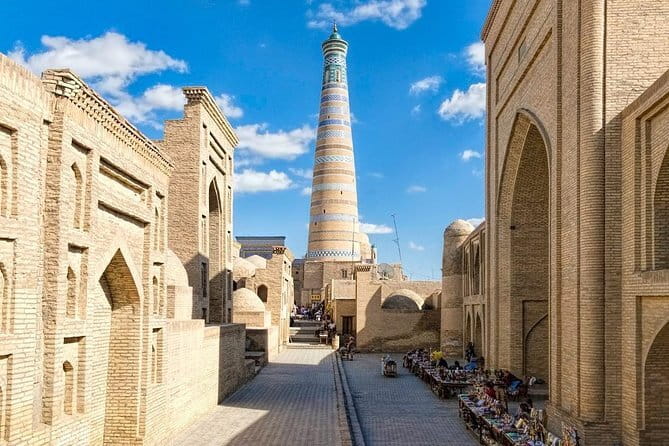
The journey from Nukus toward Muynak is not filler. It is where the scale of the region becomes clear. The long road explains why this tour takes two days and why a visit from Khiva cannot be rushed into a comfortable half-day outing.
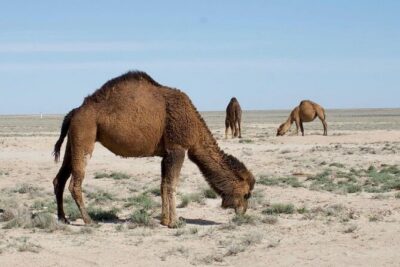
You will see broad, dry stretches and the visual clues of a region far from Uzbekistan’s best-known monuments. The drive can be tiring, but it also gives you time to understand the distance between the former port and the water that once supported it.
Lunch and dinner are not included. Food is described as available at cafes along the route and at the yurt camp, but the tour price does not cover those meals except for dinner and breakfast if you purchase the yurt option. Carrying personal snacks is sensible, particularly because the schedule is long and the exact timing of meals can depend on the road.
Muynak Museum explains the vanished port
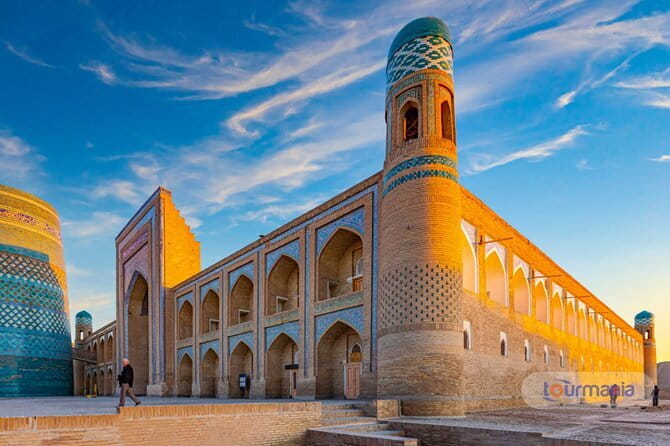
The Regional History and Aral Sea Museum in Muynak takes about 30 minutes. Admission costs $3 per person and is not included.
This is a modest local museum, but its value is not tied to size. It helps explain Muynak as a former port and fishing center rather than presenting the ship cemetery as a strange collection of rusting objects. You can connect the town’s earlier economy with the ecological changes visible outside.
Give this stop the attention it deserves. A short museum visit before or after the ships can turn a dramatic photograph into a clearer story. You will better understand why the vessels are stranded, why the town mattered, and how closely local life was tied to the Aral Sea.
Thirty minutes goes quickly, so this is not the place for a slow museum study. It is a compact introduction to Muynak’s past and the environmental crisis that reshaped it.
The Muynak ship cemetery is the emotional center
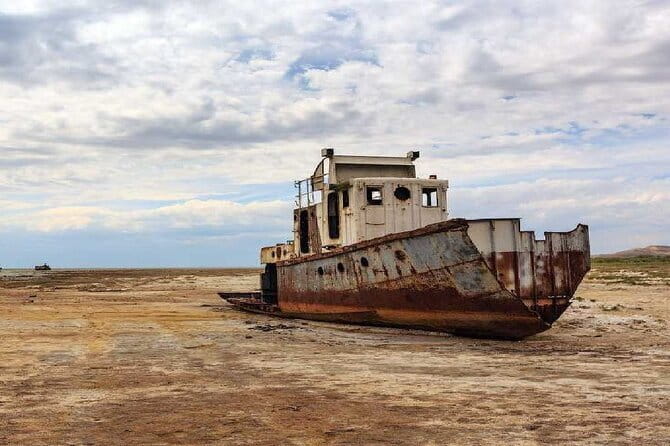
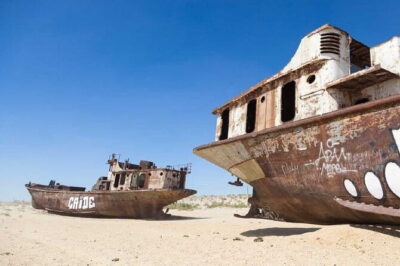
Muynak’s ship cemetery is the image most people associate with an Aral Sea trip. Fishing vessels now sit inland on dry ground, reminders of the time when Muynak had a working port and processed and canned fish from the sea.
You have about one hour here, with no admission charge. That hour gives you time to walk among the ships, photograph the metal hulls, and take in the silence. The site can feel stark and even unsettling, particularly when you compare it with the idea of a functioning harbor.
The ships are not a substitute for the sea itself. They show what disappeared, but they do not recreate the old shoreline. That distinction matters when you set expectations. You are visiting a place of ecological loss and historical change, not a conventional beach destination.
The weather can also shape the mood and comfort of the visit. One account of the trip describes difficult winter conditions, while another highlights the reward of reaching the shore for sunrise. Check the season before booking and bring clothing suited to exposed conditions.
The Aral Sea shore and Ustyurt country
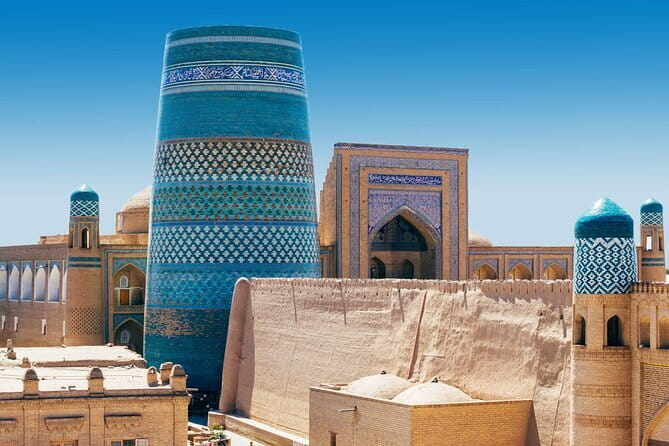
The itinerary includes the Aral Sea shore and Ustyurt Canyons as important destinations, although the supplied stop-by-stop schedule gives more detail for Muynak and the museums. Ask Oxus Travel exactly how much time is allocated at the shore and whether the canyon visit fits the route on your chosen date.
Reaching the shore is the point of the long drive, but it is also where you should keep your expectations grounded. The region is known for wide, stark views and the visible effects of the sea’s retreat. You may find the setting beautiful in a severe way, with open space, low vegetation, and a sense of distance in every direction.
The Ustyurt area adds another side to the trip. Canyons and desert formations bring geological interest to a journey otherwise centered on water, shipping, and environmental change. A 4×4 is especially useful for rougher desert sections, though the precise vehicle arrangement and route may vary.
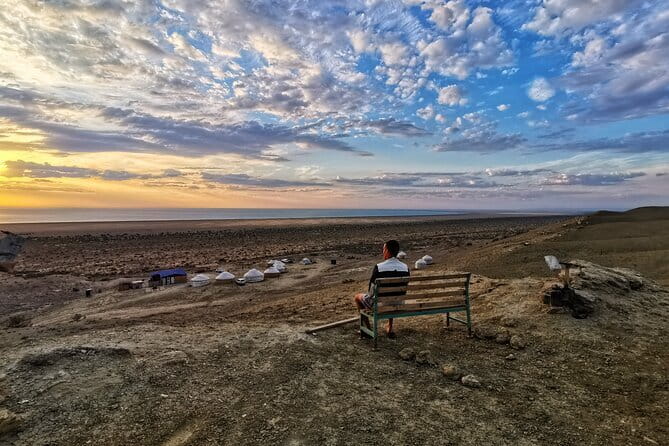
If sunrise matters to you, ask in advance about the overnight position and departure timing. The tour begins early, and one account specifically describes waking early to see the sunrise over the Aral Sea. That kind of moment is possible, but timing and weather will control it.
A night in a yurt keeps the trip from feeling rushed
Accommodation at a yurt camp costs $40 per person and includes dinner and breakfast. It is not included in the $699 group price, so add it when comparing the total cost.
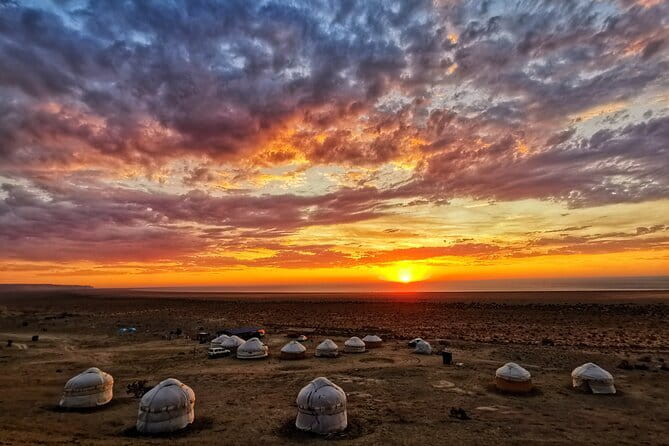
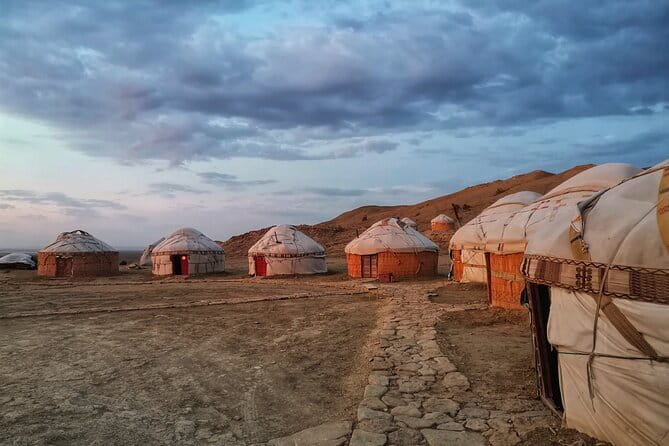
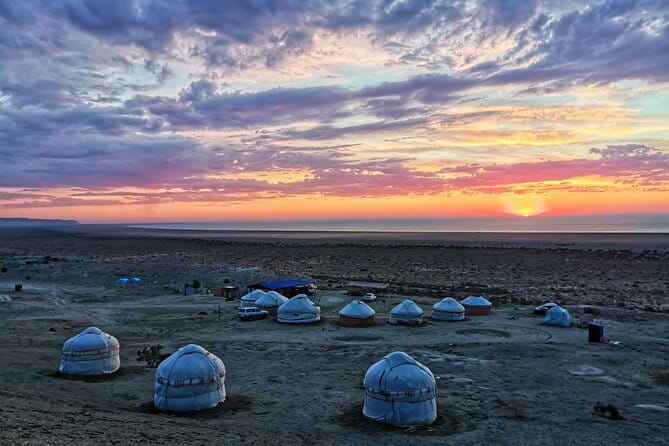
The yurt stay is more than a place to sleep. It breaks the long road journey into two manageable sections and gives you time near the Aral Sea instead of arriving, taking a photograph, and immediately turning back. The camp is described as well run, with friendly hosts and plentiful food.
Do not expect a hotel room. A yurt camp is a simple desert stay, and comfort will depend on the season and your own tolerance for basic accommodation. The supplied information does not list bathroom arrangements, bedding details, or evening activities, so ask before paying if those points matter to you.
One practical limitation is that there may not be much organized entertainment after dinner. That can be a drawback for anyone who wants a full evening program. For others, the quiet is the point. Bring something small to read or listen to if you prefer an activity after the meal.
Mizdakhan Necropolis adds a solemn final stop
Mizdakhan Necropolis lies near the remains of Gyaur-Kala fortress and is one of Karakalpakstan’s major pilgrimage sites. You have about 30 minutes here, and admission is free.
The necropolis is ancient, atmospheric, and still connected with local religious practice. It gives you a different view of the region from the ship cemetery. The ships speak of a recent industrial collapse; Mizdakhan reaches back through centuries of burial, pilgrimage, and belief.
Half an hour is enough for a focused visit, but not a full exploration of the cemetery and fortress remains. Stay respectful, follow any local guidance, and remember that this is an active sacred place as well as an archaeological site.
Placed after Muynak, the stop widens the story of Karakalpakstan. This is not only a region marked by Soviet projects and ecological damage. It also contains old sacred places that continue to matter to local people.
What the $699 group price really buys
At $699 for up to three people, the price works best for a small private group. Three people would pay about $233 each before extras, while one person would carry the full group cost alone. That makes the tour much better value for friends or family than for a solo visitor.
The price includes an air-conditioned vehicle, private transportation, audio guide material, and hotel pickup and drop-off. It also gives you a private itinerary rather than placing you in a larger coach group. For a remote destination involving two vehicles and extensive driving, that convenience has real value.
You should add the following to your budget:
- $7 per person for the Savitsky Museum
- $3 per person for the Muynak Aral Sea Museum
- $40 per person for the yurt camp, including dinner and breakfast
- Lunch and any other dinners
The tour is not cheap, but arranging this route independently would require solving transport, desert driving, accommodation, and the connection between several widely separated sites. If you have only two days and want the main Karakalpakstan highlights, the private format can justify the cost.
Who should book this two-day Aral Sea trip
I would recommend it to you if you want a strong regional experience and accept that the road is part of the price. It suits people who enjoy unusual destinations, stark scenery, local museums, archaeological sites, and stories about how communities change.
It is also a good fit if you are based in Khiva and do not have time for a longer stay in Nukus and Muynak. The ability to start or finish in Khiva, Urgench, or Nukus gives the route useful flexibility.
I would hesitate if you dislike long car journeys, need a relaxed schedule, or want a polished resort-style night. The two-day format is efficient, but it is not leisurely. The tour requires moderate physical fitness, starts at 6:00 a.m., and depends on good weather.
Free cancellation is available up to 24 hours before departure. If poor weather forces cancellation, you are offered another date or a full refund. That is helpful for a desert trip, but you still need to be ready for changing conditions during a departure that goes ahead.
Should you book it?
Book this tour if the Aral Sea is a priority and you want more than a quick photograph beside the ships. The best parts are the private transport, the mix of ancient and modern sites, the Savitsky Museum, and the chance to spend the night near the shore.
Skip it if you want short drives or a quiet cultural break from Khiva. This is a demanding two-day run. For the right person, though, the long road is exactly what makes the final arrival feel earned.
FAQ
Where does the tour start?
The standard meeting point is the west gate of Ichan Kala in Khiva. Hotel pickup is included, and the listed start time is 6:00 a.m.
Can the tour start or finish in Nukus or Urgench?
Yes. The tour can start or finish in Khiva, Urgench, or Nukus, depending on the visitor’s wishes.
How long does the tour last?
The tour lasts approximately two days. Transportation time is included in the total duration.
How much driving is involved?
About 1,000 kilometers are covered during the two-day round trip.
How many people can join the private tour?
The $699 price covers one private group of up to three people. Only your group participates.
Is accommodation included?
No. A yurt camp stay costs $40 per person and includes dinner and breakfast.
Are museum entrance fees included?
No. The Savitsky Museum costs $7 per person, and the Aral Sea Museum in Muynak costs $3 per person. These fees are separate.
Are meals included?
Lunch and dinner are not included in the tour price. Dinner and breakfast are included if you purchase the yurt camp accommodation.
What happens if the weather is poor?
The tour requires good weather. If it is canceled because of poor weather, you can choose another date or receive a full refund. You can also cancel for a full refund up to 24 hours before the start time.
Just added around Khiva
- Traditional Khiva Cooking Class with Market Visit & Lunch★ 5.0 · 4 reviews
- Old Khiva Stories with Your Local Guide★ 5.0 · 5 reviews
- A Night In The Kyzylkum Desert [2] From Khiva★ 4.5 · 3 reviews
- Master Class – Uzbek Bread (Khiva)★ 3.5 · 4 reviews
- Aral Sea – Extended trip (3 days)★ 5.0 · 5 reviews
- Khorezm Fortress and KyzylKum Desert Private Tour★ 5.0 · 3 reviews
- Best of Khiva: Exclusive Private Tour!★ 5.0 · 3 reviews
- Uzbekistan 6 Days Private Tour Khiva-Bukhara-Samarkand by Train★ 5.0 · 4 reviews
Aral Sea and Ship Cemetery Tours, compared.
Daytrip from Khiva to Aral Sea Cemetery of Ships. All in one
Read our review →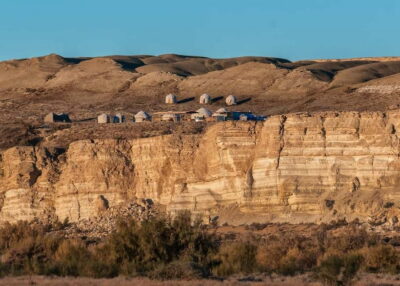
Daytrip From Khiva to Aral Sea Cemetery Of Ships . All In One
Read our review →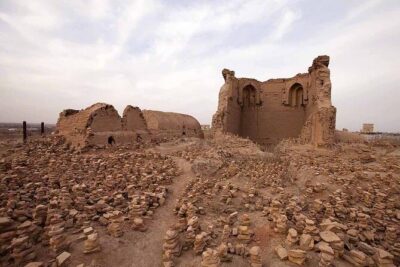
Browse the lists this tour appears in