
Reviewed · UZBEK PLOV COOKING CLASSES
Traditional Khiva Cooking Class with Market Visit & Lunch
Khiva’s best food experience may happen far from a restaurant table. Sarvar Bobojonov takes you to a local market, then brings you into his family home to cook plov or Shivit Oshi with his mother and relatives. You shop, chop, stir, eat, and talk about Uzbek life along the way.
I like the market visit because it shows you how local shopping works instead of handing you a ready-made cooking kit. I also like the family setting, where the meal comes with green tea, seasonal fruit, home pickles, and a look at ordinary Khivan hospitality. The main consideration is time: at 2.5 hours, this is a focused introduction, not a long culinary workshop.
Key points
- A real local-home setting: Cook and eat with Sarvar and his family rather than in a purpose-built restaurant classroom.
- Market shopping first: Choose fresh ingredients and learn about local buying habits, produce, and price negotiation.
- Two Khivan choices: The class features plov or Shivit Oshi, the green noodle dish associated with Khorezm.
- Highly personal hosting: Sarvar’s mother and brothers may be part of the cooking and meal, adding a family-visit feel.
- Tea, fruit, and recipes included: Finish with traditional green tea, seasonal melons or other fruit, and instructions to recreate the dish.
- Simple private logistics: The $150 price covers a private group of up to three, with hotel pickup and drop-off.
From Khiva’s gates to a family kitchen
The experience begins with pickup from one of several points around Khiva, including Polvon Darvoza, also known as the Stone Gate or Itchan Kala South Gate, and Bakcha Darvoza at the western side of the old town. A white sedan marked 156NAA is used for pickup.
That detail matters in Khiva, where the old city gates can serve as practical meeting points. If you are staying inside or near Itchan Kala, check your exact pickup point before setting out. The activity includes return transport, so you do not need to arrange a taxi for the short transfer back.
The group is private and limited to three people. That makes a difference in a home kitchen. You can ask questions, watch closely, and take part without waiting behind a large group. A private booking also works well for friends, couples, or a small family who want time with the host rather than a standard demonstration.
The class itself lasts about two hours, with the full experience taking 2.5 hours. That includes the market visit, transport, cooking, conversation, and lunch. You should treat this as a compact cultural activity that fits neatly into a Khiva sightseeing day.
More uzbek plov cooking classes in Khiva:
- Master Class – Uzbek Bread (Khiva)
★ 3.5 · 4 reviews - Samarkand: Village Tour with Plov Cooking Class & Home Visit
★ 5.0 · 29 reviews - Samarkand: Uzbek Cooking Class in a Village Home
★ 5.0 · 22 reviews
Shopping for ingredients in a local Khiva market
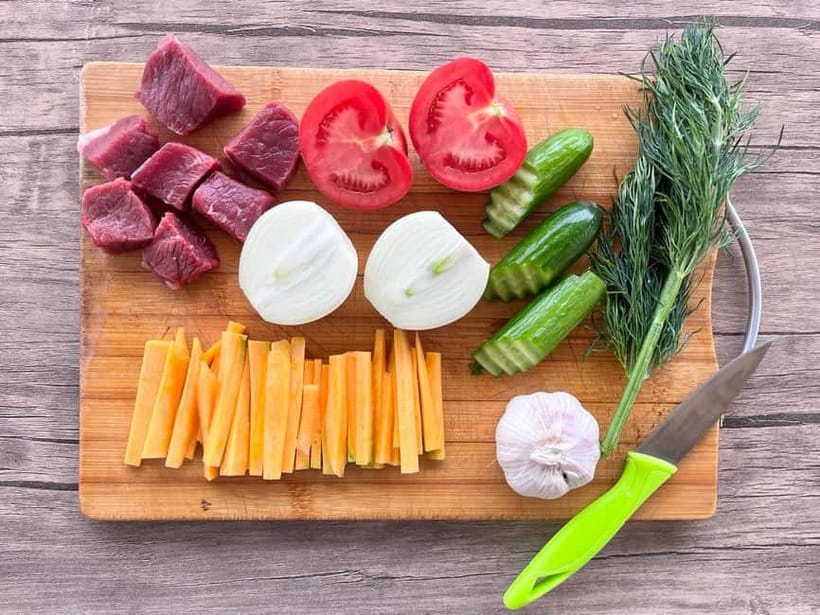
Your first real stop is a local market. Sarvar guides you through the stalls and helps you select the ingredients needed for the meal. The point is not simply to buy vegetables and other supplies. You learn how people choose produce, what looks fresh, and how bargaining and price discussions fit into everyday shopping.
This is one of the strongest parts of the experience for anyone who has only seen Khiva through its monumental old city. It gives you a practical connection to local life. Markets also provide useful food context: you begin to see the ingredients before they appear in the cooking pot.
You may not find the market easily on your own, which makes the guide especially useful. Sarvar can explain what you are buying and help bridge the gap when labels, prices, or local customs are unfamiliar. The market is also a chance to hear facts about Khiva and Uzbekistan as you move between stops.
The fresh ingredients are included, so you are not expected to pay extra for the cooking supplies. Still, the shopping stage is worth taking seriously. Pay attention to the produce, ask why one item is chosen over another, and watch how the buying process works. You will get more from the visit if you treat it as part of the lesson, not just a quick errand.
Cooking plov with Sarvar’s family
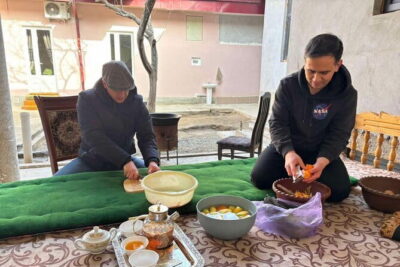
After the market, you go to a traditional local home. Sarvar’s mother has shown people how to prepare plov, while his brothers may also be present during the visit. This is not a restaurant demonstration where the chef cooks behind a counter and passes out small samples. You take part in a family kitchen and then eat the food in the same home.
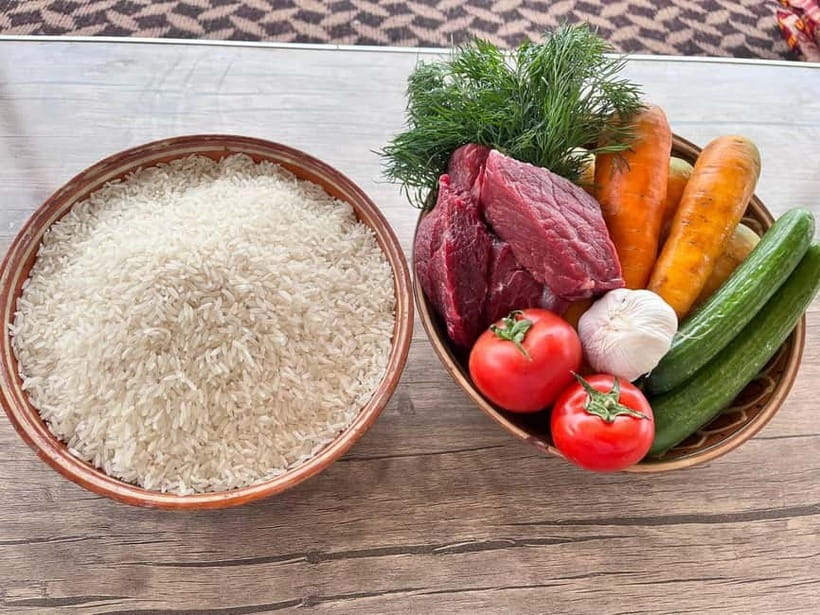
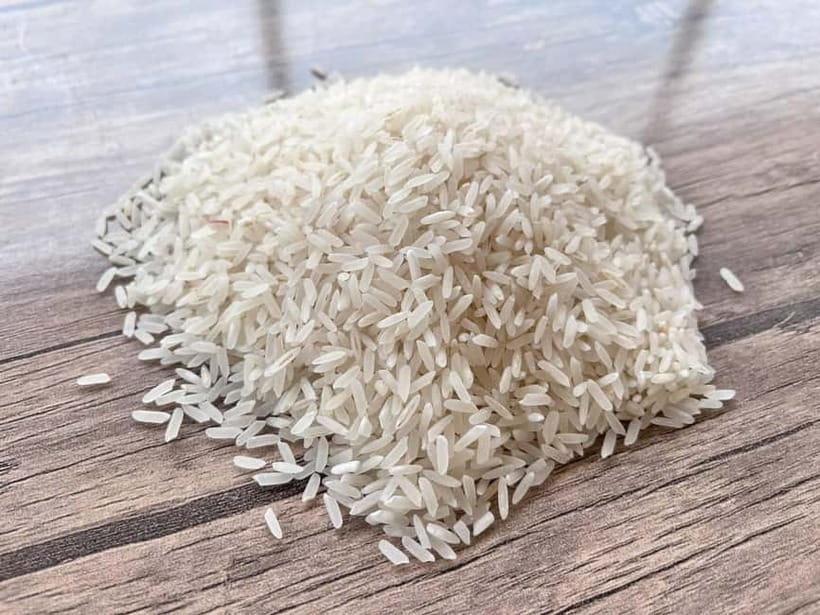
Plov is one of Uzbekistan’s defining dishes, but the value here is the household method. Sarvar’s family can explain how the ingredients are handled, how the cooking develops, and which small choices affect the final result. You get to ask questions as the dish comes together instead of trying to remember a lecture after the meal is already served.
The dish is cooked as a shared activity, but the precise level of hands-on work may vary according to the group and the family’s cooking routine. If you want to chop, stir, or handle a particular step, say so. English instruction is provided, and direct questions will help you get the practical guidance you want.
Several people who took part in the experience singled out the plov as the best they ate in Uzbekistan. That is a bold claim, and taste is personal, but it tells you where this activity earns its strongest praise: in the food and in the way the food is prepared. Homemade pickles also receive special attention, adding a local side dish that you are unlikely to get from the class description alone.
Trying Shivit Oshi, Khorezm’s green noodles
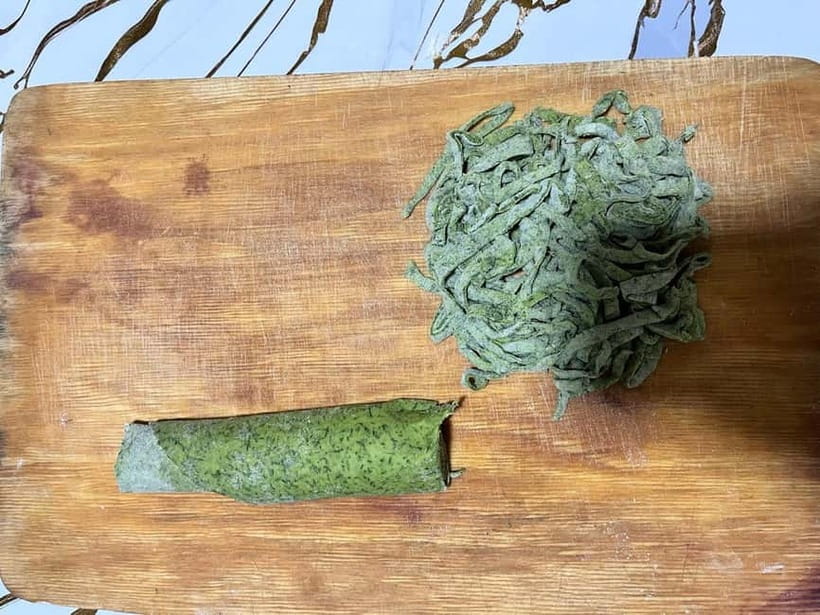
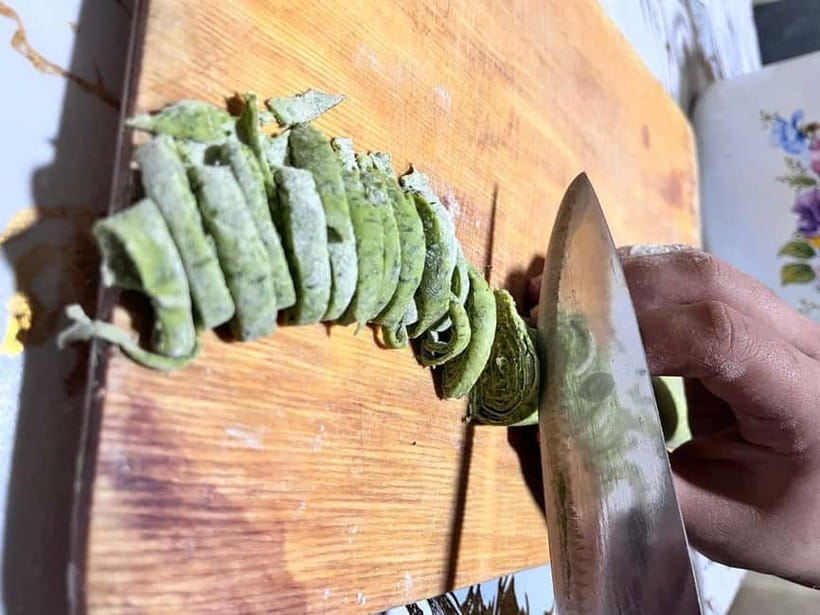
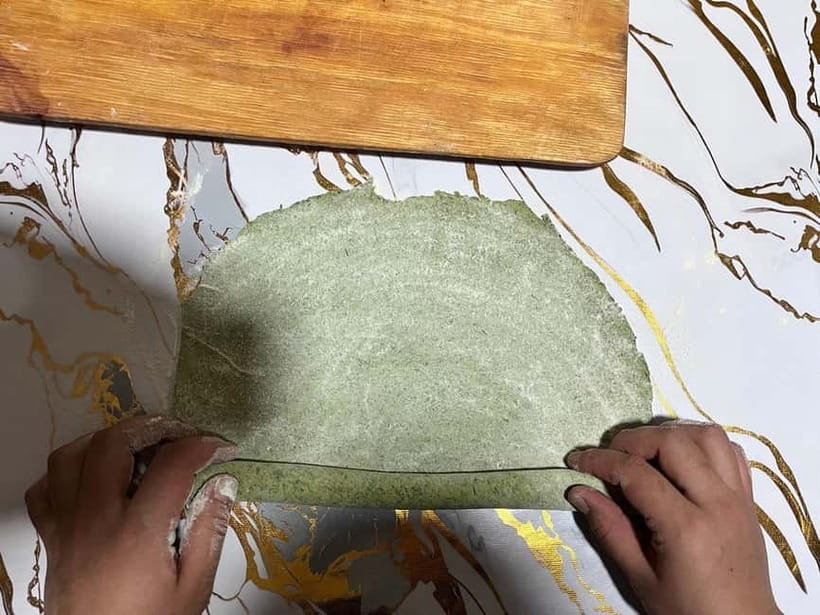
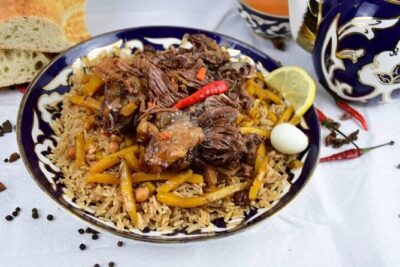
The experience also offers Shivit Oshi, a Khorezm specialty made with green noodles. The dish gives you a useful change from the better-known rice-based plov and helps explain why Khiva’s food traditions deserve attention beyond the standard Uzbek menu.
The information provided describes the class as Plov or Shivit Oshi, so you should confirm which dish you will prepare when booking or at the start of the activity. If your priority is Shivit Oshi, make that clear. The available accounts focus mainly on cooking plov, but the second option is important for anyone who wants a more specifically Khorezm-style meal.
This choice can also shape the character of the lesson. Plov offers a familiar introduction to Uzbek cooking, while Shivit Oshi gives you a regional specialty tied more closely to Khorezm. Neither is automatically the better pick. I would choose plov if you want the classic Uzbek dish and Shivit Oshi if you want to focus on Khiva’s local food identity.
A few more Khiva trips to weigh up
- Cooking class in Samarkand with local life experience
★ 5.0 · 19 reviews - cooking traditional food in Samarkand with local people
★ 4.8 · 17 reviews - Private Samarkand Cooking Class with Market Tour & Transfers
★ 5.0 · 14 reviews - Cooking Class in the Village with Local Family in Samarkand
★ 5.0 · 11 reviews
Lunch with green tea and garden fruit
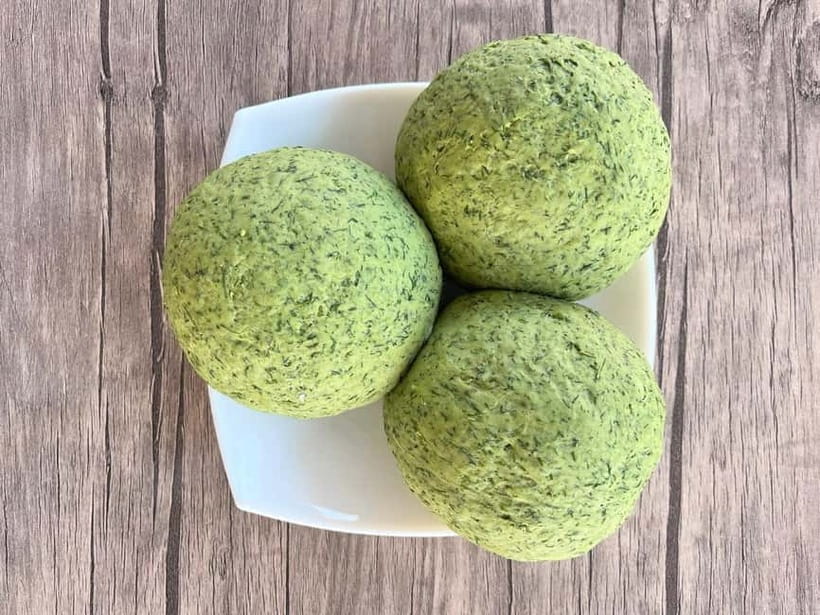
Once cooking is finished, you sit down for lunch in the family home. Traditional Uzbek tea is included, and the meal is followed by seasonal fruit. Melons and watermelons were served during summer visits, and their sweetness made a memorable finish.
The meal is part of the cultural exchange, not an afterthought. You have time to talk with Sarvar and his family about food, local customs, and life in Uzbekistan. The setting is informal and personal, closer to being welcomed into someone’s home than attending a formal class.
This is where the private format pays off. With only up to three people, conversation can stay relaxed. You can ask about the meal, the market, or the family’s cooking habits without competing with a busload of other participants.
A lovely garden is also part of the home setting, with fruit growing there during the appropriate season. Do not assume every visit will feature the same fruit. Seasonal availability changes, but fruit and tea are included in the experience.
What the $150 price really covers
The price is $150 per group of up to three people, not $150 per person. For a full group of three, that works out to $50 each. For two people, it is $75 each, while a solo booking carries the full group price.
That makes the activity most attractive for three friends or a small family. You are paying for a private experience with transportation, a guided market visit, ingredients, cooking instruction, lunch, tea, fruit, and recipes. In Khiva, a private home visit with a small group can offer more personal contact than a cheaper group cooking class.
The value depends on what you want from a food activity. If you only want to eat plov, a local restaurant will cost much less. If you want to understand the ingredients, cook with a family, see a market, and take home a recipe, the price is easier to justify.
The class also saves you the work of finding a local market and arranging transport to a private home. That convenience matters in a city where a visitor may not know which market to visit or how to make contact with a family.
Timing, clothing, and practical limits
The total duration is 2.5 hours, and the cooking portion is about two hours. Starting times vary, so check availability for the day you want. Hotel pickup and drop-off are included, with designated points around Khiva.
Dress with the home setting in mind. Shorts and sleeveless shirts are not allowed. Backpacks, baby strollers, and baby carriages are also listed as prohibited, along with smoking, alcohol, drugs, and audio recording.
These rules are not minor details. You are entering a private household, so modest clothing and respectful behavior are important. Bring only what you need, and do not plan to record the conversation or cooking audio. The experience is conducted in English.
Free cancellation is available up to 24 hours before the activity for a full refund. You can also reserve now and pay later, which helps if your Khiva schedule is still changing.
Who will enjoy this Khiva cooking class
I would recommend this to you if food is one of the ways you understand a place. The market and home combination gives you more than a recipe. You see how ingredients enter the kitchen, how a family prepares them, and how a meal becomes a social occasion.
It also suits anyone who wants a break from monuments. Khiva’s old city is remarkable, but several hours spent in a local home can add a human scale to your visit. The experience is especially useful if you want to meet local people without arranging a home visit on your own.
Small groups are ideal here. Couples, two or three friends, and families with older children who can follow the clothing and luggage rules should find the format comfortable. The private setting also helps if you have strong interest in Uzbek cuisine or want to ask many questions.
You may want to skip it if your schedule is extremely tight, if you dislike home-based activities, or if you only want a polished restaurant-style class. The rules on clothing, backpacks, and audio recording may also be inconvenient for some people.
The personal touch from Sarvar and his family
Sarvar is the main link between the market, the kitchen, and the wider story of Khiva. He explains ingredients and shopping customs, shares facts about Uzbekistan, and guides the conversation in English. His mother’s role in preparing plov adds a second generation of cooking experience to the class.
That family involvement is the reason this feels different from a standard activity. You are not just learning how to follow a set of instructions. You are seeing food as it is prepared and served in one local household.
The tone appears warm and informal. You should expect conversation, shared food, and a welcoming family atmosphere rather than a formal lesson with a strict classroom structure. If that sounds appealing, this is a strong match. If you need exact measurements, a printed timetable, or professional kitchen equipment, you may find the format less predictable.
Recipes are provided at the end, which gives the experience a useful afterlife. You can try the dish at home, though ingredients and cooking equipment may differ from what you find in Uzbekistan. The recipe is still a practical reminder of the meal and a way to keep the Khiva connection going.
Should you book it?
Book this experience if you want a genuine home meal and personal contact more than a standard restaurant class. The market visit, private group format, family cooking, green tea, fruit, and recipes make the $150 group price reasonable for up to three people.
I would book it for a small group that can follow the clothing and luggage rules and has at least 2.5 hours free in Khiva. Choose plov for the classic Uzbek introduction, or ask about Shivit Oshi if your main goal is a Khorezm specialty.
Skip it only if you want a quick meal, a large professional kitchen, or a fully structured cooking school. For most visitors seeking a more personal side of Khiva, Sarvar’s family home offers one of the clearest ways to connect food with local life.
FAQ
Where does the cooking class take place?
The class takes place in a traditional local home in Khiva, hosted by Sarvar Bobojonov and his family.
What dishes can I cook?
The experience features Plov or Shivit Oshi. Confirm your preferred dish when arranging the activity, since the description presents them as alternatives.
Is lunch included?
Yes. You eat the meal you prepare in the local home. Traditional Uzbek tea and seasonal fruit are also included.
Does the experience include a market visit?
Yes. Sarvar guides you through a local market, where you select fresh ingredients and learn about shopping customs and negotiating prices.
Are the ingredients included in the price?
Yes. All fresh ingredients needed for the cooking class are included.
How long does the activity last?
The full experience lasts 2.5 hours. The cooking class itself lasts about two hours.
Is transportation included?
Yes. Hotel pickup and drop-off are included. Pickup and return points include Polvon Darvoza, the Stone Gate at the south side of Itchan Kala, and Bakcha Darvoza at the west gate.
How many people can join?
This is a private group experience for up to three people.
What language is the class conducted in?
The instructor provides the experience in English.
What should I not bring or wear?
Shorts, sleeveless shirts, backpacks, baby strollers, and baby carriages are not allowed. Smoking, alcohol, drugs, and audio recording are also prohibited.
More Markets in Khiva
- Samarkand Local Family Cooking Class and Siyob Bazaar Tour
★ 5.0 · 5 reviews
More Lunch Experiences in Khiva
- Tashkent: City Tour with Pro Photography, Lunch & Dinner
★ 4.7 · 16 reviews - Beyond the Walls: Countryside Tour with Transport and Lunch
★ 5.0 · 13 reviews - Samarkand Ancient Silk Road City Tour w/ Pickup & Lunch Option
★ 5.0 · 9 reviews - Tadjikistan 7 Lakes Day Trip from Samarkand with Lunch
★ 5.0 · 5 reviews
Just added around Khiva
- Old Khiva Stories with Your Local Guide★ 5.0 · 5 reviews
- Master Class – Uzbek Bread (Khiva)★ 3.5 · 4 reviews
- A Night In The Kyzylkum Desert [2] From Khiva★ 4.5 · 3 reviews
- Aral Sea – Extended trip (3 days)★ 5.0 · 5 reviews
- Khorezm Fortress and KyzylKum Desert Private Tour★ 5.0 · 3 reviews
- Best of Khiva: Exclusive Private Tour!★ 5.0 · 3 reviews
- Uzbekistan 6 Days Private Tour Khiva-Bukhara-Samarkand by Train★ 5.0 · 4 reviews
- Ayaz Kala & Toprak Kala private fortress daytrip from Khiva★ 3.5 · 6 reviews
Uzbek Plov Cooking Classes, compared.
Village Tour with Plov Cooking Class & Home Visit
Read our review →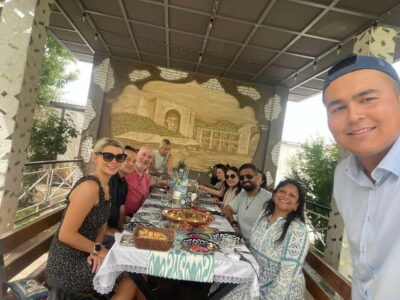
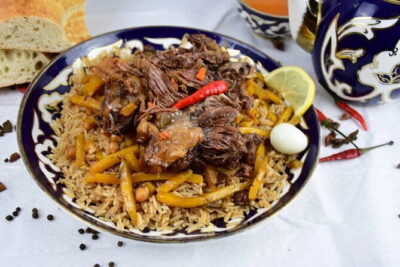
Cooking class in Samarkand with local life experience
Read our review →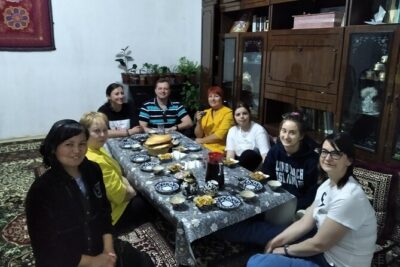
Private Samarkand Cooking Class with Market Tour & Transfers
Read our review →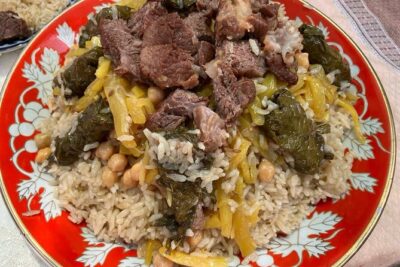
Cooking Class in the Village with Local Family in Samarkand
Read our review →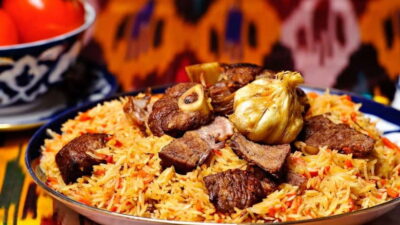
Samarkand Local Family Cooking Class and Siyob Bazaar Tour
Read our review →Browse the lists this tour appears in