
Reviewed · TRAIN EXPERIENCES
Uzbekistan 6 Days Private Tour Khiva-Bukhara-Samarkand by Train
Uzbekistan’s great Silk Road cities are the main event here: Khiva’s walled old town, Bukhara’s mosque-and-market core, and Samarkand’s grand Timurid monuments. I like that the route uses trains between the major cities, so you spend less time on long road transfers and more time exploring.
I also like the private format, with your own guides, drivers, and vehicle, plus five nights in centrally located hotels. The main caution is pace. Six days gives you a strong introduction, but the schedule is full, and two travel days include several hours on the train.
Key points to know before booking
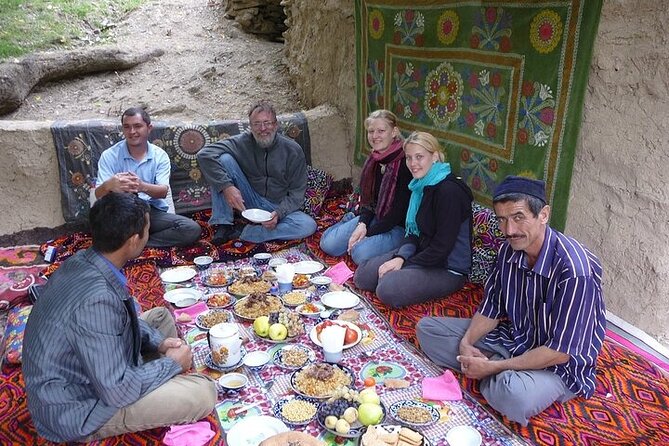
- Three major Silk Road cities: See Itchan Kala in Khiva, Bukhara’s Kalon complex, and Samarkand’s Registan in one well-planned route.
- Train travel is built in: The Khiva to Bukhara train takes much of Day 2, while the Bukhara to Samarkand connection depends on availability.
- Private touring: Only your group takes part, with local guides in each city and private transfers.
- Central accommodation: Five nights in highly rated three-star or boutique hotels are included.
- Entrance fees are covered: Museum admission and listed attraction tickets are included, though photo and video charges cost about $1 to $2 per museum.
- Room to customize: You can add a desert or mountain detour, and the itinerary can be adjusted at no or small extra cost.
What $800 covers on this Uzbekistan route
At $800 per person, this tour is not simply a sightseeing package. The price includes five hotel nights, breakfast each morning, an air-conditioned vehicle, local guides in all three cities, train tickets from Khiva to Bukhara and Bukhara to Samarkand, entrance fees, airport transfers, and 24-hour customer service.
That makes the price easier to judge. You are paying for a private trip with several separate moving parts, not just a seat in a group van. The cost also includes visa support if your nationality needs a visa, though you remain responsible for securing the visa online or through an Uzbek embassy.
I consider the package good value for someone who wants the logistics handled. You do not need to arrange three hotels, several station transfers, museum tickets, and local guides on your own. The biggest extra is the single-room supplement, listed at $25 per night. For five nights, that adds $125 if you want a room to yourself.
International flights are not listed as included. Neither are tips, and the small photo and video fees at museums are paid in cash. Those charges are minor, but you should carry some Uzbek currency or small notes so they do not interrupt your visits.
A few more Khiva trips to weigh up
- 2 Days Tour to Bukhara and Samarkand from Tashkent by train
★ 5.0 · 53 reviews - Tashkent Airport & Train Station Pick Up & Drop Off
★ 4.5 · 50 reviews - Day Tour to Samarkand from Tashkent by train.
★ 5.0 · 34 reviews
Day 1: Urgench arrival and Khiva’s walled old town
The tour begins at Urgench Airport. A driver meets you in the arrival hall with a name sign, then takes you to Khiva and the Itchan Kala, the old inner town.
Itchan Kala is enclosed by brick walls that reach up to about 10 meters. The old town covers roughly 26 hectares and follows a regular Central Asian city plan. This is not a single monument surrounded by modern streets. You enter a compact historic district where palaces, mosques, madrasas, courtyards, and narrow lanes sit within the old defensive walls.
Your first stop is Kalta Minor, the short minaret with bands of glazed tile and majolica. Mohammed Amin Khan intended it to rise more than 70 meters, but construction stopped at 29 meters. Its unfinished height is part of its appeal. You get a striking building with a good story, rather than a polished structure that looks like every other minaret.
The Kunya Ark takes about two hours, making it one of the day’s larger visits. This fortified citadel sits against the western wall of Itchan Kala and was the center of Khiva’s ruling power. Since it is the largest building group in the old city, it helps explain how the khan’s court functioned within the larger town.
At the Pahlavan Mahmud Mausoleum, you encounter a more intimate side of Khiva. Pahlavan Mahmud was a poet, philosopher, strongman, and healer. The original modest tomb later grew into a mosque and khanaka, with a large blue-tiled dome that became the biggest in the city.
The Juma Mosque is very different in mood. Its roof is supported by a forest of wooden columns, and its position near the center of Itchan Kala reflects its role as the Friday mosque. The visit is scheduled for an hour, which gives you time to look up, slow down, and notice the details.
Tash Khauli Palace brings you back to royal grandeur. Built between 1830 and 1838 for Allakuli Khan, it occupies the eastern side of the old town. The Islam Khodja complex finishes the day with a madrasa and minaret named for Islam Khodja, a grand vizier and cousin of Muhammad Rahmi Bahadur II.
This is an ambitious first day. You may appreciate the efficient coverage, but you should expect a lot of walking and repeated architectural detail. Comfortable shoes matter. The advantage of having a private guide is that the day can be adjusted slightly if you need a slower pace.
Day 2: More Khiva, then the long train to Bukhara
The morning gives you four hours to see more of Itchan Kala. That extra time is important because the old town has more monuments than can sensibly fit into one afternoon. You can use it for additional museums, photographs, or a second look at places that went by quickly on Day 1.
The train to Bukhara is scheduled to leave Khiva at either 3:00 p.m. or 6:00 p.m., depending on the day of travel. The trip is listed as taking about six hours. That means Day 2 is partly a sightseeing day and partly a transport day.
I like the choice to use the train. It breaks up the long distance between the western and central parts of Uzbekistan, and you can watch the country pass by instead of sitting in a private vehicle for the entire journey. Still, the timing matters. If your departure is at 3:00 p.m., your morning in Khiva will feel shorter. If it leaves at 6:00 p.m., you will have more daytime in town but a later arrival in Bukhara.
A transfer takes you from Bukhara’s station to your hotel. The route is designed to keep the evening simple, which is useful after a full day and several hours on the train.
Day 3: Bukhara’s courtyards, minarets, and old trade streets
Bukhara receives a full guided sightseeing day. Begin at Lyab-i-Hauz, a square built around a historic water reservoir. The ensemble includes the Nodir Divan Begi Madrasa, a khanaka, and a caravanserai. Its water, shade, and open space make it a natural place to pause between major monuments.
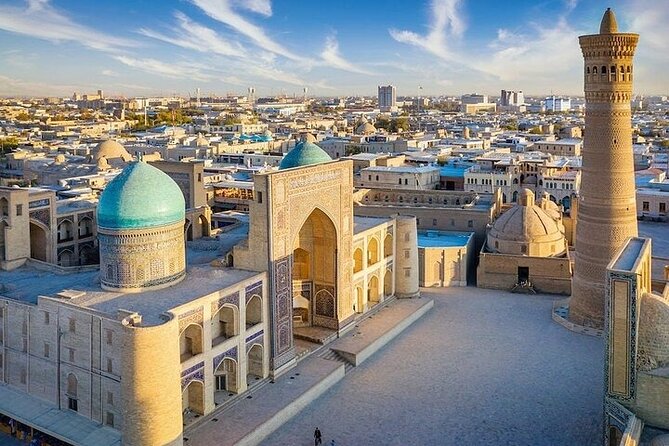
The Kalon complex gives you one of Bukhara’s most recognizable views. The Kalyan Minaret rises 45.6 meters and dates to 1127. The complex also includes the Friday Mosque and Mir-i-Arab Madrasa. The minaret survived the Mongol conquest, and the story says Genghis Khan was so impressed by it that he spared it. The exact details of old stories can blur over time, but the building itself remains wonderfully convincing.
The Ark of Bukhara is a royal fortress within the city. Bukhara’s rulers lived here for more than a thousand years, and the fortress formed the center around which the medieval town grew. You will see a different kind of monument here than in Khiva. Khiva presents a whole walled town; the Ark concentrates political power into one fortified compound.
Across from the Ark, Bolo Hauz Mosque faces an octagonal pool. Built in 1712, it is one of Bukhara’s last major pre-modern buildings. The setting is particularly useful for understanding how water shaped public spaces in this dry region.
Maghak-i Attari Mosque adds another layer. It served earlier as a Buddhist and Zoroastrian temple before becoming a mosque, and its brickwork is a reminder that religious sites often changed use as cities changed rulers and beliefs.
The Trading Domes bring you into Bukhara’s commercial past. These covered market areas now include artisan workshops. You may find this stop less monumental than the mosques and fortresses, but it helps connect the city’s architecture to ordinary trade, craft, and daily business.
The day is well balanced between major sights and places to pause. The possible drawback is that Bukhara’s center contains so much detail that a tightly timed visit can feel like a checklist. Use your private guide to ask for context, and do not be afraid to spend a few extra minutes at a favorite courtyard or market.
Same Silk Road, a completely different kind of day:
- Transfer: Bukhara – Khiva via Ancient Fortresses
★ 4.5 · 101 reviews - Daytrip From Khiva To Ancient Fortresses
★ 4.6 · 60 reviews - Khiva Historical City Highlights Guided Walking Tour
★ 5.0 · 30 reviews - Aral Sea Adventures (2 day)
★ 5.0 · 30 reviews
Day 4: Free time, Kagan station, and the train to Samarkand
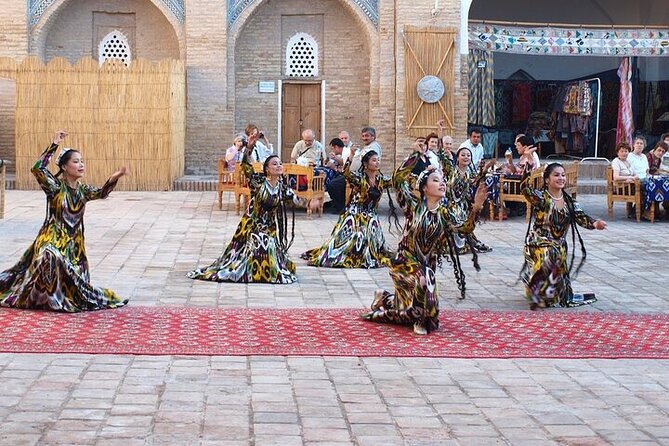
Bukhara gets another four hours at leisure. This is one of the smartest parts of the schedule. You can revisit the center, seek out monuments not covered on Day 3, shop in the trading domes, or simply take a slower morning.
The transfer to Kagan Railway Station takes about 20 minutes, but the station is roughly 15 kilometers from Bukhara. That detail matters when planning your free time. You are not leaving from the middle of the old city, so allow enough time to return to the hotel, collect your luggage, and reach the station.
The Bukhara to Samarkand train is subject to availability. This is the least fixed part of the route, so you should confirm the departure details before the trip. Once you arrive in Samarkand, a private transfer takes you to the hotel.
Compared with Day 2, this travel day is lighter. You get a useful block of unstructured time in Bukhara before moving on. I value that flexibility because historic cities often reward wandering more than another tightly planned stop.
Day 5: Timur, the Registan, and Samarkand’s grand monuments
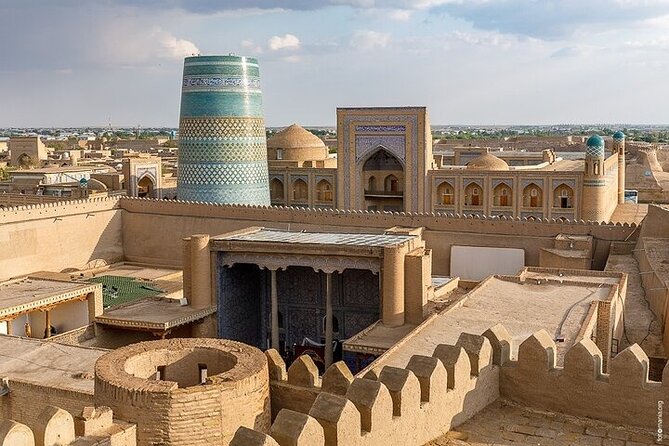
Samarkand’s main sightseeing day begins at Gur Emir Mausoleum, the reconstructed tomb of Timur, also known as Tamerlane. The complex dates to 1404 and 1405, and its importance reaches beyond the building itself. This is where you can consider Timur’s military reach and the architectural legacy he left in Central Asia.
The Registan is the visual high point of the tour. The square is framed by three madrasas: Ulugh Beg, Sherdor, and Tillokori. Their facades create one of the most memorable architectural spaces in Uzbekistan. Two hours are allotted here, which is appropriate. You need time to move between the buildings, inspect the tilework, and understand how the square changed from a city center into the monumental setting you see today.
Bibi Khanym Mosque follows. Built between 1399 and 1404 on Timur’s order after his campaign in Delhi, it was intended to be one of the great mosques of the region. The 30-minute visit is brief, so listen closely to your guide and save time for a wider look at the scale of the complex.
Siab Bazaar offers a welcome change. Its produce, food, and handicrafts show the practical side of Samarkand. After several grand monuments, a market gives you a closer look at local commerce and everyday life. The visit is scheduled for 30 minutes, but your private format may allow some flexibility.
Shah-i-Zinda is one of the most atmospheric stops on the route. The complex includes more than 20 mausoleums and 44 tombs on the southeastern mound of ancient Afrasiab. Its religious importance is tied to Kusam ibn Abbas, described here as a first cousin of the Prophet Muhammad. The tiled passage through the mausoleums is more intimate than the open scale of the Registan.
The day ends at the Ulugh Beg Observatory. Ulugh Beg, Timur’s grandson, was an astronomer, scientist, and architect. Only part of the enormous sextant remains, with the lower section set in a deep trench. The site is less visually complete than Samarkand’s restored monuments, but it gives you a sense of the city’s scientific ambitions.
This is a full day, with six stops and substantial walking. The reward is variety: imperial tombs, a monumental square, a mosque, a market, a funerary complex, and an observatory. If you prefer slow museum visits, the schedule may feel demanding. If you want a broad first look at Samarkand, it uses the day well.
Day 6: A simple airport transfer

The final morning is uncomplicated. A driver takes you from your Samarkand hotel to the airport for your flight home, with the transfer listed at about 30 minutes.
Because the tour ends in Samarkand, you avoid returning to Urgench or retracing the route. That open-jaw design is efficient and saves a full travel day.
Guides, hotels, and the private format
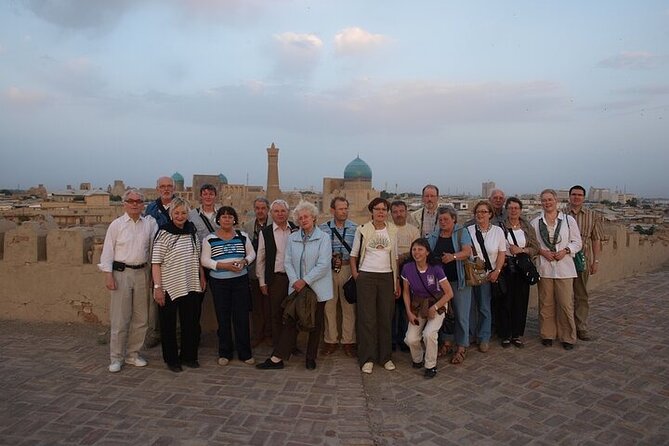
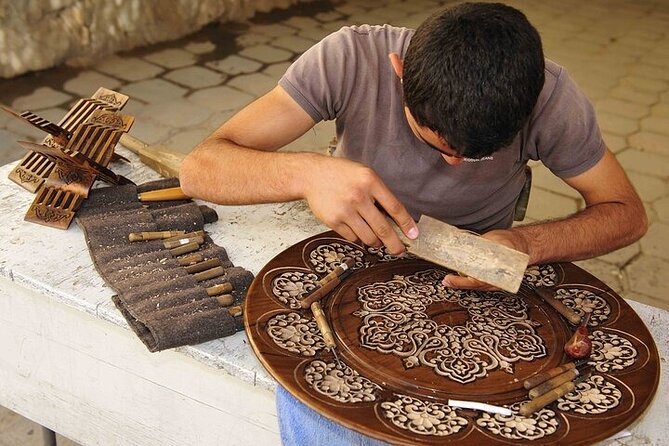
A licensed local guide is provided in each city. That matters in Uzbekistan, where the same blue tile, madrasa facade, or royal title can carry different meaning from one city to the next. Local guides can also help you separate a building’s documented history from the legends that naturally gather around famous places.
The transport is by air-conditioned vehicle for the private transfers and sightseeing portions. This is useful in a six-day route with airport pickups, station runs, and city touring. Your group does not share the daily schedule with strangers, so you can request itinerary changes at no or small extra charge.
The five included nights are in centrally located, highly rated three-star or boutique hotels. Central placement is more important than a long list of hotel facilities here. It keeps you close to the old city centers and reduces wasted time on local transfers.
One practical sign of organized operations is that the drivers, guides, and hotel staff are given printed copies of the itinerary. A previous booking also added Tashkent, with four city connections arranged around the expanded route. That suggests the company can handle a customized trip, but you should confirm any extra city, hotel night, or transport cost before paying.
What to pack and how to manage the pace
Bring shoes suitable for uneven paved streets and long days on foot. A small day bag is useful for water, a camera, and cash for photo charges.
The tour includes breakfast five times, but other meals are not listed. You should plan to pay separately for lunch and dinner. The itinerary provides chances to eat around historic squares and market areas, but specific restaurants are not promised.
Carry a little cash for the $1 to $2 photo and video charges at museums. Tips for guides and drivers are not mandatory in the package, but they are appreciated for good service.
Visa rules depend on nationality. The operator offers visa support if you do not qualify for a visa waiver, but you must obtain the visa online or through an Uzbek embassy. Check this before booking flights.
Cancellation is flexible only up to three full days before the local start time. A cancellation inside that window is not refundable, and late changes are not accepted.
Who should book this six-day trip?
I would choose this tour if you want to see the three principal historic cities without building every train, hotel, transfer, and entrance ticket yourself. It suits first-time visitors who value a private guide and a clear route more than complete independence.
It also works well for couples, families, or small groups who want the schedule adjusted around their interests. The optional desert or mountain detour gives you a way to add a different side of Uzbekistan, provided you confirm how it affects the six-day timing.
I would hesitate if you want long, unplanned stays in each city. Khiva receives only one extended morning plus the first afternoon, Bukhara gets a guided day and free time, and Samarkand’s main monuments are concentrated into one busy day.
Final recommendation
Book this Uzbekistan private tour if your priority is efficient access to Khiva, Bukhara, and Samarkand with central hotels, included admissions, and arranged train travel. The $800 price is reasonable for the amount of planning and private service included.
Before confirming, check the exact train departures, hotel names, visa requirements, and whether your preferred desert or mountain addition changes the price. If you accept the quick pace, this is a practical way to meet Uzbekistan’s great monuments in six days without spending your trip sorting out the connections yourself.
FAQ
Where does the tour start?
The tour starts at Urgench Airport in Urgench, Uzbekistan. A driver meets you at the arrival hall exit with a name sign.
Where does the tour finish?
The tour finishes with a transfer to Samarkand Airport on Day 6 for your flight home.
How long is the tour?
The tour lasts six days and includes five nights of accommodation.
Which cities are included?
The route includes Khiva, Bukhara, and Samarkand, beginning with arrival in Urgench.
Are train tickets included?
Yes. Train tickets for the Khiva to Bukhara and Bukhara to Samarkand journeys are included. The Bukhara to Samarkand train is subject to availability.
How long is the train from Khiva to Bukhara?
The Khiva to Bukhara train journey is listed at approximately six hours. Departure is scheduled for either 3:00 p.m. or 6:00 p.m., depending on the travel date.
Are hotels included?
Yes. Five nights in centrally located, highly rated three-star or boutique hotels are included.
Are museum entrance fees included?
Yes. Entrance tickets to all listed museums and attractions are included. Photo and video charges of about $1 to $2 per museum are paid separately at the entrance.
Can the tour be customized?
Yes. The itinerary can be customized at no or small extra charge, and desert or mountain detours can be added. Confirm the exact changes and any cost before booking.
Just added around Khiva
- Traditional Khiva Cooking Class with Market Visit & Lunch★ 5.0 · 4 reviews
- Old Khiva Stories with Your Local Guide★ 5.0 · 5 reviews
- A Night In The Kyzylkum Desert [2] From Khiva★ 4.5 · 3 reviews
- Master Class – Uzbek Bread (Khiva)★ 3.5 · 4 reviews
- Aral Sea – Extended trip (3 days)★ 5.0 · 5 reviews
- Khorezm Fortress and KyzylKum Desert Private Tour★ 5.0 · 3 reviews
- Best of Khiva: Exclusive Private Tour!★ 5.0 · 3 reviews
- Ayaz Kala & Toprak Kala private fortress daytrip from Khiva★ 3.5 · 6 reviews
Train Experiences, compared.
2 Days Tour to Bukhara and Samarkand from Tashkent by train
Read our review →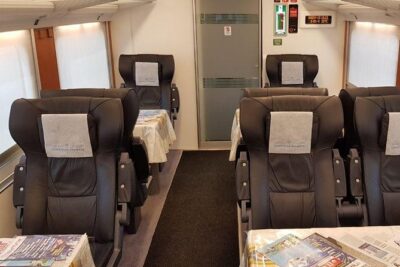
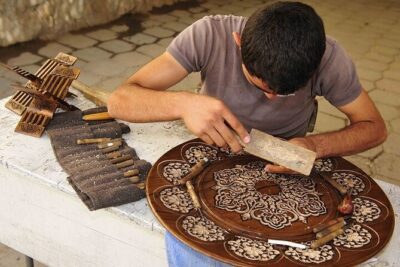
Uzbekistan 3 Day Private Tour Tashkent-Bukhara-Samarkand Bullet Train
Read our review →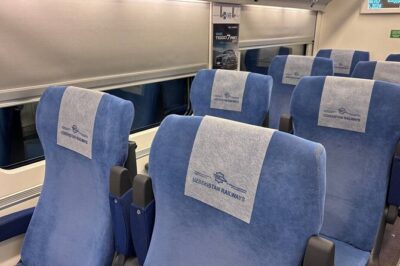
Afrosiyob high speed train tickets – Guaranteed Pass
Read our review →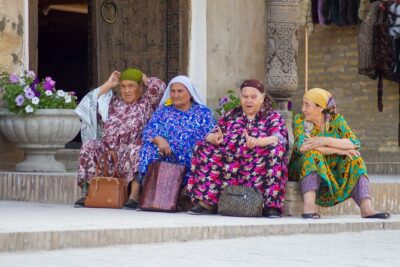
Samarkand One Day Private Tour from Tashkent with Bullet Train
Read our review →
Samarkand Airport / Railway Station – Samarkand City Transfer
Read our review →
Transfer Tashkent Airport / Railway Station – Hotel
Read our review →Browse the lists this tour appears in