
Reviewed · UZBEK PLOV COOKING CLASSES
Samarkand: Village Tour with Plov Cooking Class & Home Visit
The best part of this Samarkand day trip happens around a family table, not at a monument. You travel into the Samarqand Region, help buy ingredients, cook plov over a live fire, and sit down with a local family to eat and talk. The cooking is hands-on, while the home visit gives you a close look at ordinary rural life.
I especially like the market stop and the generous time spent with the hosts. Buying ingredients gives the meal a purpose, and guides such as Asrorbek, Javokhir, Bekjon, and Eshkuvatov add useful context about Uzbek customs and village life. The slower pace is another strength, though people expecting a packed sightseeing day may find several hours of cooking, eating, and conversation too relaxed.
Key points at a glance
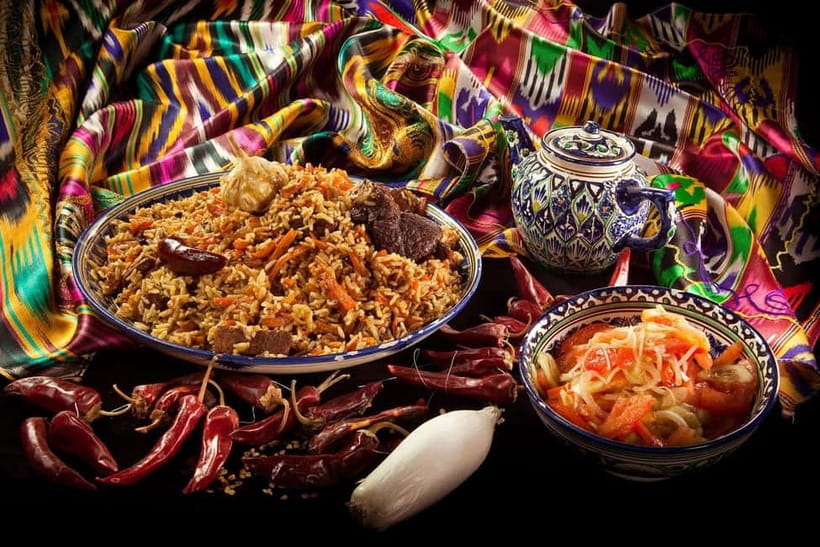
- Plov cooked over a live fire: Help prepare Samarkand’s famous rice dish, along with non bread and salads.
- A local market before lunch: Shop for ingredients and snacks while your guide explains what you are buying.
- A real family home visit: Spend time with a rural Uzbek household instead of only looking at historic buildings.
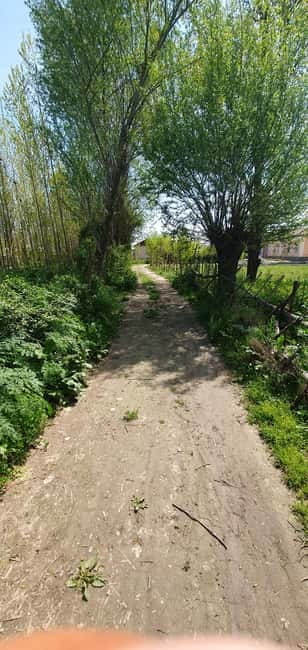
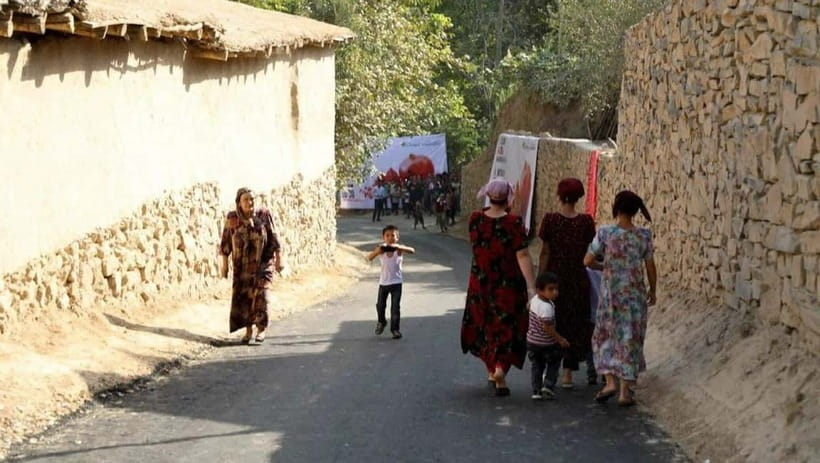
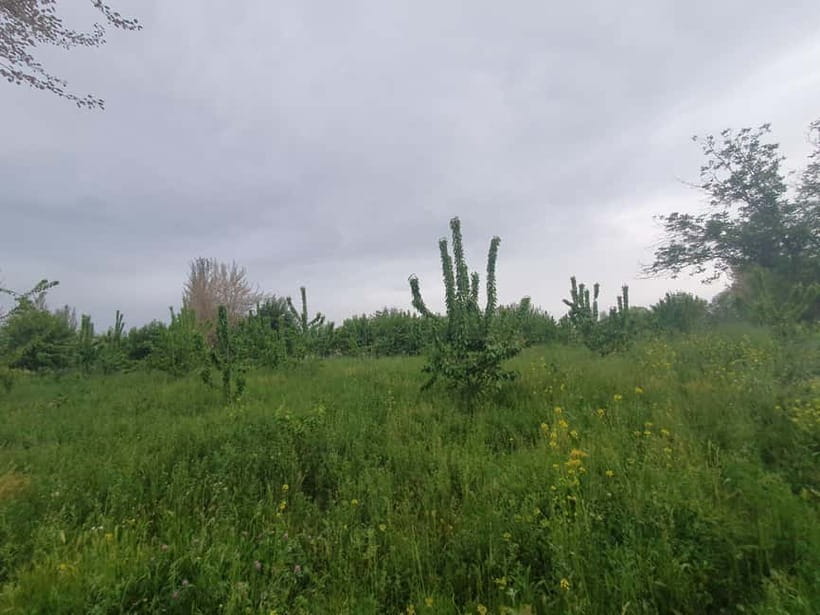
- A village about 40 to 60 minutes away: The drive reveals farmland, homes, livestock, and daily life outside Samarkand.
- Flexible cultural encounters: Depending on the day, you might see crafts, gardens, cotton fields, local games, livestock, or a community gathering.
- A calm, food-centered day: This is best for cultural exchange and conversation, not high-energy sightseeing.
Why this village day adds something different
Samarkand is rightly famous for its grand Islamic architecture, tiled courtyards, and Silk Road past. Yet those sights tell only part of the story. This excursion takes you away from the city and into the homes, markets, fields, and kitchens where Uzbek life continues today.
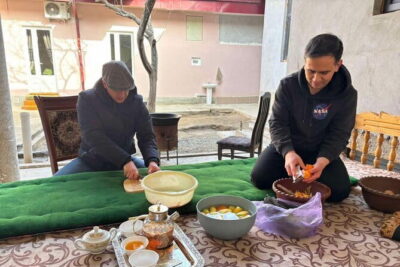
The focus is not on checking off attractions. You get to see how a meal is planned, how bread is made, how a rural home is arranged, and how people welcome visitors. The experience works because the food is a natural bridge. You are not simply watching a demonstration from a chair. You may chop, mix, shape, stir, ask questions, and then eat what you helped prepare.
The tour costs $59 per person for about eight hours. That is a fair price if your main goal is time with local people, transport into the countryside, an English-speaking guide, and a substantial traditional meal. A short city tour would usually cover more famous sights, but it would not offer this kind of access to a family kitchen.
Keep your expectations in the right place. This is not an action-packed adventure, and the exact rural activities can change. One day might include bread baking and a walk through farmland. Another might offer a look at cotton fields, a cow-milking opportunity, traditional crafts, or an invitation to a local celebration.
More Uzbek Plov Cooking Classes in Samarkand
- Samarkand: Uzbek Cooking Class in a Village Home
★ 5.0 · 22 reviews - Cooking class in Samarkand with local life experience
★ 5.0 · 19 reviews - Private Samarkand Cooking Class with Market Tour & Transfers
★ 5.0 · 14 reviews
Leaving Samarkand for the Samarqand Region
Pickup is offered from your Samarkand hotel. The drive to the village takes roughly 40 minutes in several accounts, while another description places the village closer to an hour away. Plan on a meaningful drive each way, rather than a quick trip just outside the city.
That road time is part of the experience. Your guide can explain rural customs, local history, and the ways village life differs from life in Samarkand. You will also see people going about their day as the city gives way to smaller settlements, farmland, gardens, and livestock.
Group size matters here. Some departures have been very small, with only two participants, which makes conversation with the guide and host easier. The pickup note says that groups of more than five may be asked to meet at a designated point instead of receiving individual hotel pickup, so confirm the arrangement when booking.
The transport service has received strong marks, with 87 percent of ratings giving it a perfect score. That is useful reassurance for a day that depends on a fairly long ride beyond the city.
The market stop makes the cooking personal
Before reaching the home, you may stop at a local market or bazaar to buy ingredients for the plov. This is one of the smartest parts of the schedule. Instead of arriving to find every ingredient already measured, you see the shopping behind the meal.
Your guide can identify the rice, vegetables, meat, spices, bread, and other items used in the dish. You might also pick up snacks for the road. The market stop is brief in the formal schedule, but the experience can include time to look around and make photographs.
This is not primarily a shopping tour, so do not expect a long market visit. Think of it as a practical introduction to Uzbek food. You learn what belongs in plov, how ingredients are chosen, and how a family meal begins long before anyone sits down.
The market also gives you an early chance to ask questions. Guides including Asrorbek and Javokhir have been praised for explaining local customs throughout the day, and that background helps you notice more than you would on your own.
Arriving at the village home
At the village, you are welcomed into a local family’s home. The hosts may offer snacks before the main cooking begins, giving you time to settle in and meet the household.
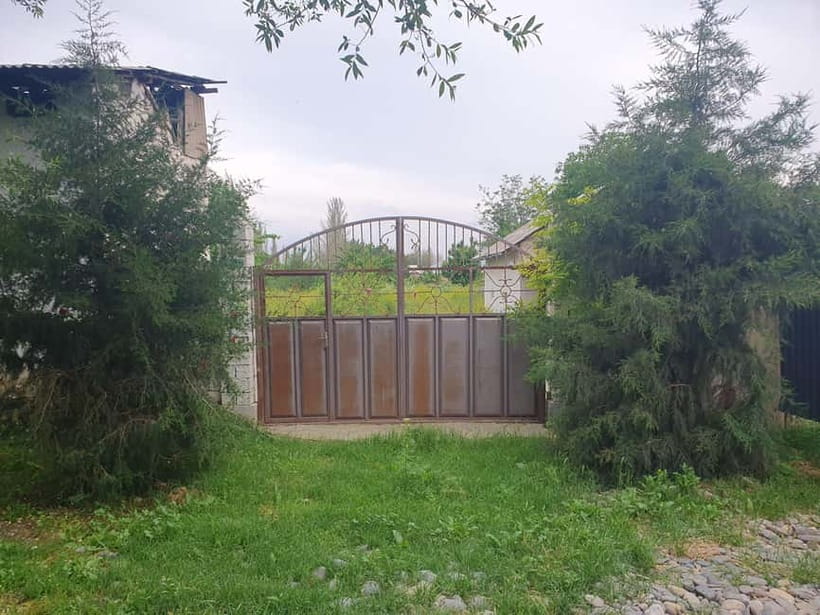
The setting is important. You are not visiting a staged cultural center built only for tourists. You are spending time in a working home, with its own routines and family character. Past visits have included warm hosts such as Oysara and Elder, along with children who were curious to see new visitors.
Your guide acts as a bridge between you and the family. English is the tour language, and the guide explains customs, translates questions, and keeps conversation moving. You can ask about daily routines, village traditions, homes, farming, family life, and the differences between Uzbek and European or Western customs.
The welcome can feel personal, but you should still be respectful. Follow your guide’s advice about shoes, photographs, seating, and household spaces. Smoking is not allowed indoors, and alcohol and drugs are prohibited.
Same Silk Road, a completely different kind of day:
- Samarkand: Historical Monuments Guided Walking Tour
★ 4.8 · 446 reviews - Private Samarkand City Tour With Transportation
★ 5.0 · 149 reviews - A City Tour Of Samarkand: The Pearl Of The East
★ 5.0 · 133 reviews - Full Day Private Tour in Seven Lakes from Samarkand
★ 5.0 · 94 reviews
Learning plov over a live fire
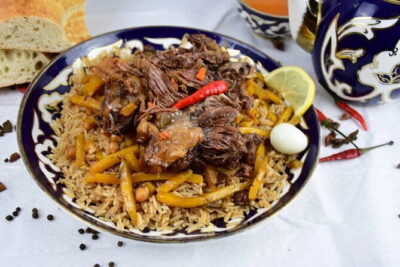
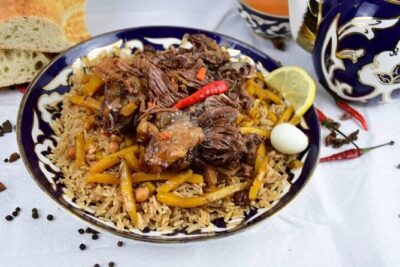
The central activity is preparing osh, the Uzbek name for plov. In this setting, it is cooked in a traditional way, often over a live fire in a barn or outdoor cooking area. You will see how the ingredients are prepared and how the rice dish develops its flavor.
The exact amount of hands-on work may vary with the host and group. Some people help with the ingredients, while others watch key stages and ask questions. Either way, the useful part is seeing the process from market purchases to the finished dish.
Plov is more than a quick bowl of rice in Uzbekistan. It is a social food, often prepared in large quantities and served to share. The cooking method, the order of ingredients, the heat of the fire, and the timing all matter. Your host can show you techniques passed down through the family.
The meal may include non bread and fresh salads as well. Bread making has been a memorable part of the day for several visitors, and it gives you another way to take part rather than simply wait for lunch.
Bring an appetite. Portions have been described as generous, with plenty of food for a long communal meal. Water is provided, but you can carry extra water, especially in hot weather.
A long lunch with conversation
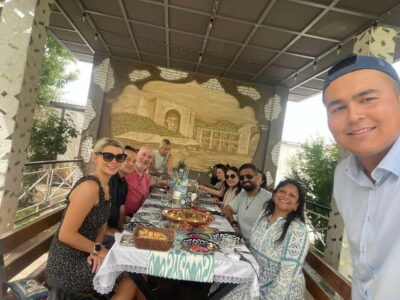
Once the plov is ready, you eat with the family. This is not a rushed restaurant lunch squeezed between sightseeing stops. The table is the main social setting, and conversation can continue for several hours.
I like this part because it lets the cultural exchange happen naturally. You can talk about food, family, work, travel, celebrations, and everyday routines. The guides are there to help, but the meal itself creates the most direct connection.
The pace may be just what you need after several busy days in Samarkand. One account describes the day as relaxing rather than action-packed, which is a useful warning and a strong recommendation for anyone needing a break from constant sightseeing.
The tone is friendly and informal, but customs may differ from what you are used to at home. Watch how the family serves food and follow their lead. A little patience and curiosity will take you far.
Walking through village life after lunch
After the meal, the group may walk around the village, gardens, farmland, or nearby countryside. One walk lasted about 30 minutes, while other visits included views toward distant mountains and a closer look at local homes.
The village tour covers architecture, building materials, and the layout of traditional houses. You may also see gardens, livestock, fields, and the way residents live alongside the land. Depending on the season, the guide might explain cotton planting, growth, and harvesting.
These walks are modest rather than strenuous excursions. Still, the ground may be uneven, and the activity is not suitable for people with mobility impairments according to the tour information. Comfortable shoes are essential.
This is also the best time to take photographs, but ask before photographing people, especially children or inside homes. A sun hat, sunscreen, and a camera are sensible items to bring.
Extra encounters can shape the day
The tour allows room for activities beyond the main cooking class. You might see traditional crafts, play local games, walk through gardens, or learn about livestock. One visit included the chance to milk a cow, while another coincided with a pre-wedding gathering where women prepared items for a new couple’s home.
A local wedding or community event is not guaranteed, but these examples show how the day can respond to village life. The guides are described as flexible, so an unexpected gathering may become part of the experience when timing and local permission allow.
The optional folk performance offers another possible finish. Local musicians may play traditional Uzbek instruments in a short live performance. Treat this as an added touch, not the main reason to book, since the information describes it as optional.
The same flexibility can be a drawback if you want a tightly timed schedule. You may not know in advance exactly which extra activities will happen. That is normal for a home-based cultural visit, but less suitable for someone who wants every minute planned.
What the guides add
The guide can make or break a rural visit, and the names connected with this experience include Asrorbek, Bekjon, Javokhir, Eshkuvatov, and Astro, who appears to be a shortened form of Asrorbek in one account. The descriptions of these guides consistently emphasize friendliness, clear English, humor, and a willingness to answer questions.
Javokhir is described as a curious young guide who kept conversation flowing across many subjects. Asrorbek is noted for punctual hotel pickup and detailed explanations of Uzbek culture. Bekjon is described as informative and funny, while Eshkuvatov helped a solo visitor feel more at ease while explaining village history.
Guide assignments can change, so you should not book on the assumption that one particular person will lead your departure. The important point is that the guide has a real role beyond driving you to lunch. Expect translation, cultural explanation, and help with the practical flow of the day.
Value, comfort, and practical limits
At $59, this tour offers strong value for a full eight-hour day, especially if transport, guiding, the home visit, cooking activity, and meal are all arranged together. You are paying for access and time, not just for a plate of plov.
There is one confusing detail in the supplied information. Transportation to the village is listed as included, but it is also listed as not included. Since hotel pickup is specifically offered and the experience describes a driver taking you back to Samarkand, ask the provider to confirm exactly what the $59 covers before paying.
The activity is listed as wheelchair accessible in one place, but the separate suitability note says it is not suitable for wheelchair users or people with mobility impairments. Treat the stricter warning as the safer guide. Ask about vehicle access, paths, steps, toilets, and the home layout if mobility is a concern.
The booking terms are flexible: you can cancel up to 24 hours ahead for a full refund, and reserve now while paying later. Starting times vary, so check availability for your date.
Who should book this village experience
I would choose this tour if you want to meet local people, learn through food, and see a side of Uzbekistan that grand monuments cannot show. It suits couples, families, solo visitors, and anyone who prefers conversation and shared meals to a fast list of sights.
It is also a good choice after several days of intensive sightseeing. The long lunch, countryside drive, and relaxed pace offer a useful change from tiled courtyards and city traffic.
You may want a different excursion if you dislike uncertain schedules, have limited time, need a highly accessible route, or want a full day of major attractions. The village setting is the point, and the day works best when you allow it to unfold.
Should you book it?
Book this experience if cooking plov in a family home sounds more appealing than another formal sightseeing stop. The strongest parts are the market visit, the live-fire cooking, the generous shared meal, and the chance to ask direct questions about rural Uzbek life.
Before booking, confirm the transport terms, pickup location, accessibility, and which optional activities are expected on your date. If those details fit your needs, $59 buys one of the more personal ways to connect Samarkand with the people and traditions beyond its famous monuments.
FAQ
How long does the village tour last?
The experience lasts about eight hours, including travel from Samarkand to the village and the return journey.
Where does the tour begin?
Pickup is available in Samarkand, including hotel pickup. Groups larger than five may be asked to go to a meeting point instead.
How far is the village from Samarkand?
The village is described as roughly 40 minutes to one hour from Samarkand, depending on the route and stop arrangements.
Is transportation included?
The information says both that transportation to the village is included and that it is not included. Confirm this point with the provider before booking. Hotel pickup and return transport are specifically described.
Is the tour conducted in English?
Yes. The tour includes a live English-speaking guide.
What food will I prepare?
The main dish is Samarkand-style plov, also called osh. The cooking experience can also include non bread and salads.
Will I eat with the local family?
Yes. The experience includes sharing the freshly prepared meal with the host family in a communal setting.
Is the folk music performance guaranteed?
No. The music performance is described as optional, so it should be treated as an additional possibility rather than a fixed part of every departure.
What should I bring?
Bring comfortable walking shoes, a sun hat, sunscreen, and a camera. Water is provided, though you may bring extra.
Is the experience suitable for wheelchair users?
The information is contradictory. One section says wheelchair accessible, while another says it is not suitable for wheelchair users or people with mobility impairments. Ask the provider for detailed access information before booking.
More Workshops in Samarkand
- Samarkand: Cooking class with local family
★ 5.0 · 3 reviews - Plov and Samsa Cooking Class in Tashkent
★ 4.3 · 6 reviews - Traditional Khiva Cooking Class with Market Visit & Lunch
★ 5.0 · 4 reviews - Master Class – Uzbek Bread (Khiva)
★ 3.5 · 4 reviews
More Cooking Classes in Samarkand
- cooking traditional food in Samarkand with local people
★ 4.8 · 17 reviews - Cooking Class in the Village with Local Family in Samarkand
★ 5.0 · 11 reviews - Samarkand Local Family Cooking Class and Siyob Bazaar Tour
★ 5.0 · 5 reviews - Plov Cooking Class at Local Uzbek House
★ 5.0 · 5 reviews
Just added around Samarkand
- Samarkand Capital of Amir Timur Private Tour with Transport★ 5.0 · 3 reviews
- The Golden City of Samarkand: A Self-Guided Audio Tour★ 4.0 · 4 reviews
- Seven Lakes Panjakent: One-Day Adventure from Samarkand★ 5.0 · 3 reviews
- Shakhrisabz Private Day Tour from Samarkand★ 5.0 · 4 reviews
- Ancient and Modern tour in Samarkand with Transport★ 5.0 · 3 reviews
- Explore Samarkand Guided Tour with Transfers★ 5.0 · 3 reviews
- Samarkand Local Family Cooking Class and Siyob Bazaar Tour★ 5.0 · 5 reviews
- Penjikent Day Trip From Samarkand★ 5.0 · 3 reviews
Uzbek Plov Cooking Classes, compared.
Cooking class in Samarkand with local life experience
Read our review →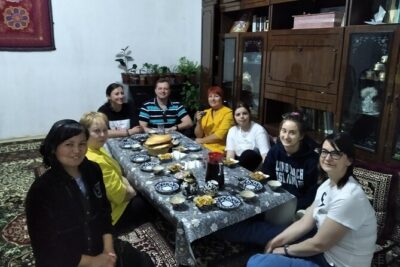
Private Samarkand Cooking Class with Market Tour & Transfers
Read our review →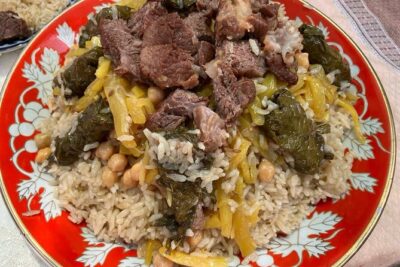
Cooking Class in the Village with Local Family in Samarkand
Read our review →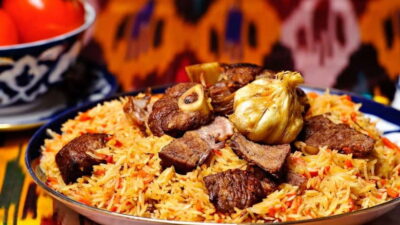
Samarkand Local Family Cooking Class and Siyob Bazaar Tour
Read our review →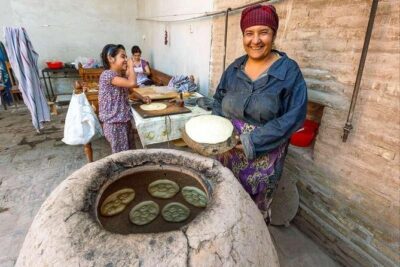
Browse the lists this tour appears in