
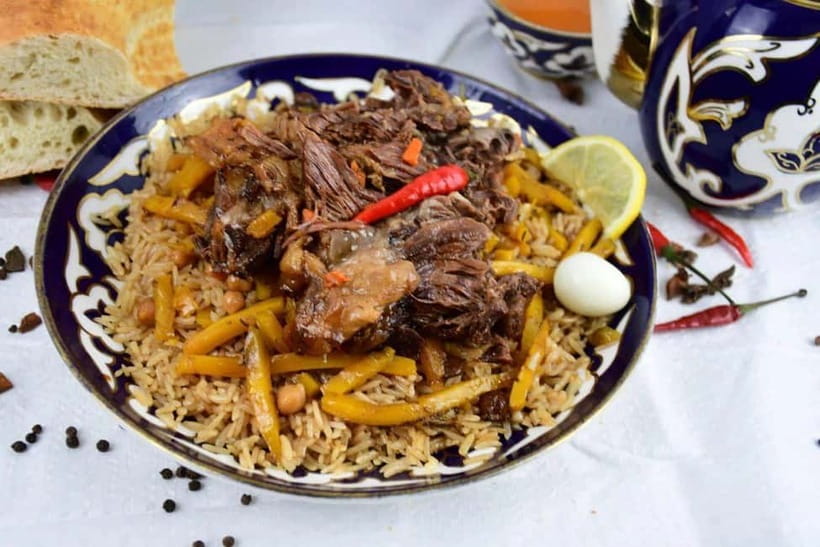
Reviewed · UZBEK PLOV COOKING CLASSES
Samarkand: Cooking class with local family
Samarkand’s best stories may begin away from its grand monuments, in a market stall or around a family kitchen. This five-hour experience takes you to a local bazaar, then into a family home where you help prepare Uzbek food from scratch with Navruz, Guli, and their relatives.
I like the hands-on cooking and the chance to see ordinary family life rather than only tiled domes and historic squares. I also like the extra stops, especially Konigil paper-making and the traditional craft workshops. The main consideration is time: five hours goes quickly, and a full cooking session plus several visits may feel brisk.
Key points at a glance
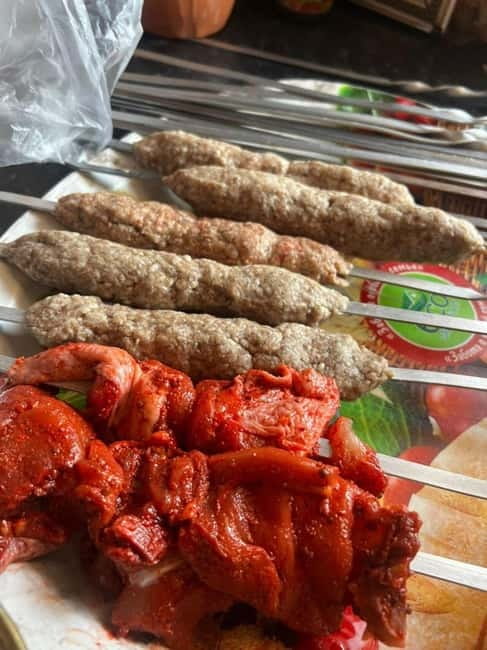
- Cook in a family home: Prepare Uzbek dishes such as plov, shashlik, and samsa with local hosts.
- Start at the bazaar: Shop for ingredients, watch daily trade, and see how food reaches the family table.
- Meet Navruz and Guli: Guides may lead in English, Korean, Russian, Uzbek, or Tajik.
- Visit Konigil paper factory: Add a traditional craft stop to the food and family experience.
- Private five-hour format: You get a more personal outing, though the schedule can feel full.
- Good value at $65: Transport, lunch, bottled water, guiding, and several cultural stops are included.
Start at Samarkand’s local bazaar
The bazaar is a smart first stop because it gives the cooking class a clear setting. Uzbek food is not just a collection of recipes. It is tied to shopping, hospitality, family meals, and the careful choice of basic ingredients.
You can expect colorful stalls, vendors, conversation, and the steady movement of people buying food for the day. The point is not simply to walk past market displays. You get a look at the place where local cooking begins, and you can connect the products you see with the dishes prepared later.
This is also a useful counterpoint to Samarkand’s famous sights. The city’s monuments tell grand stories about rulers and trade routes. A bazaar shows you something more immediate: how people shop, meet, and organize daily life.
Your guide can help explain customs and local products as you go. Since the experience is private, you should have more room to ask questions than you would on a large group outing. The guide languages listed are English, Korean, Russian, Uzbek, and Tajik.
The bazaar may be the least structured part of the day. That is part of its appeal, but it also means you should not expect a formal market lecture at every stall. You are there to observe, talk, and gather a sense of place before heading to the kitchen.
More Uzbek Plov Cooking Classes in Samarkand
- Samarkand: Village Tour with Plov Cooking Class & Home Visit
★ 5.0 · 29 reviews - Samarkand: Uzbek Cooking Class in a Village Home
★ 5.0 · 22 reviews - Cooking class in Samarkand with local life experience
★ 5.0 · 19 reviews
Cook plov and samsa with a local family
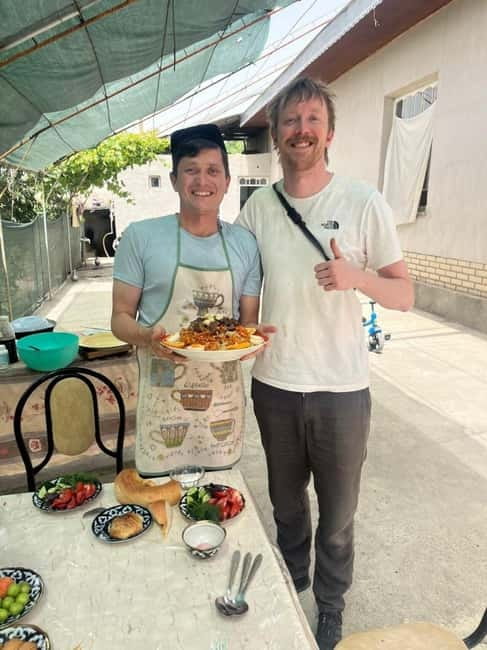
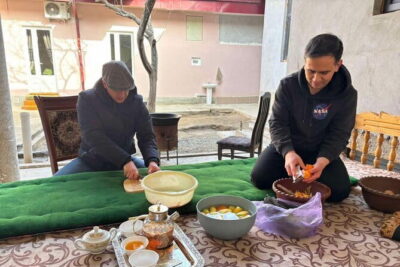
The heart of the experience is the family kitchen. You do not simply sit down to eat a finished meal. You take part in preparing traditional Uzbek dishes, with plov, shashlik, and samsa named among the foods you may make.
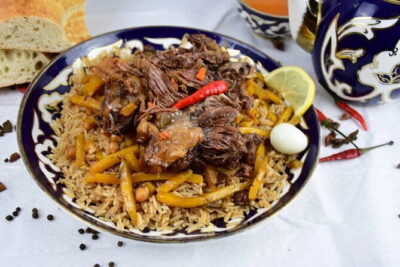
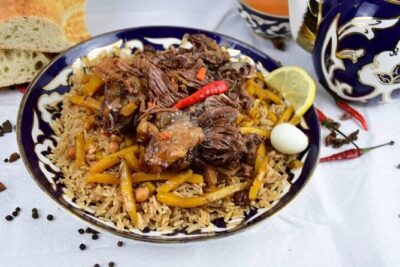
Plov is the obvious centerpiece. This famous rice dish has many local and family variations, so watching the preparation is more useful than treating it as a fixed recipe. You can pay attention to the order of cooking, the handling of rice, and the way the dish is prepared for sharing.
Samsa gives the session a different rhythm. These savory pastries require preparation and shaping, while shashlik brings grilled meat into the meal. Together, the dishes give you a broad taste of Uzbek home cooking rather than one narrow demonstration.
I like the fact that the food is made from scratch with the family. That makes the lesson more personal and gives you a chance to ask why a step matters. You may also learn how meals fit into family customs, celebrations, and everyday routines.
Do not approach this as a polished restaurant cooking show. You are entering a home, working with local people, and learning through conversation and shared tasks. Some moments may be informal, and the pace may depend on the family, the food, and the communication between you and your guide.
The experience includes lunch, so you will eat what has been prepared. Bottled water is also included. If you have strong dietary needs, it is sensible to raise them before booking, since the available information does not specify substitutions or a separate allergy menu.
The family visit is more than a meal
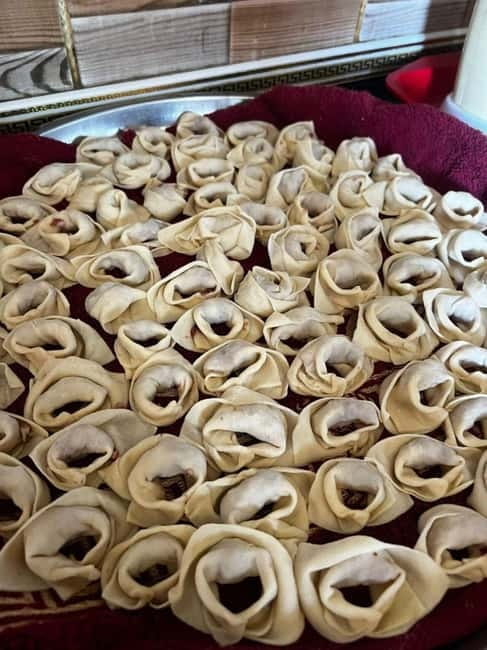
The strongest part of the outing is the human contact. You spend time with a local family and learn about daily routines, customs, and traditions. The visit can include conversation, laughter, and even a game of chess.
Navruz is identified as the experience provider, and the hosts may include his wife and parents. Guli is also involved in guiding and helping guests follow the cooking process. That family connection matters because it changes the mood from a standard food lesson to a shared visit.
One especially useful feature is the chance to ask about Uzbekistan beyond food. You can talk about how family members live, what hospitality means, and how traditions are passed from one generation to the next. These details often stay with you longer than another quick photo stop.
The private-group setup helps here. You are not trying to hear a guide over a large crowd, and the family can focus on your questions and cooking tasks. For couples, families, or friends, it should feel more relaxed than a fixed class with strangers.
There is a cultural point to keep in mind. A family home is still someone’s private space, so modest dress and respectful behavior matter. Short skirts, tight clothing, and nudity are not allowed. Alcohol and drugs are prohibited, and red wine and alcoholic drinks are not allowed in the vehicle.
Those rules are straightforward, but they also signal the tone of the visit. Dress conservatively, leave the party mood behind, and treat the home as a place of hospitality rather than a staged attraction.
Konigil paper-making and traditional workshops
The day may continue with visits beyond the kitchen. Konigil paper factory is included among the additional stops, along with oil meal and pottery workshops. These visits add a useful craft angle to a food-centered tour.
Konigil is known here for traditional paper-making, and the stop gives you a look at an older form of production. You can see how a handmade object is created rather than only hearing about it in a museum. One account of the outing also includes a paper-making site described as dating from the first century.
A pottery workshop gives the schedule another change of pace. After food preparation, you can watch a different kind of skilled handwork and think about the role of household objects in Uzbek life. The supplied details do not specify the exact pottery process or the time spent there, so expect a visit rather than a long practical pottery lesson.
Oil meal is also listed, but no detailed description is provided. Treat this as an additional cultural stop, not a guaranteed workshop in which you will make something yourself.
A handmade rug workshop may also be part of the route. One account of the day includes a famous rug-making place where every rug is made by hand. This is worth noting if you care about textiles, but the exact combination of paper, pottery, oil meal, and rug stops may depend on the day’s plan.
These workshop visits make the experience broader than a cooking class. The tradeoff is time. If you want a slow, detailed lesson in each craft, five hours will not allow much room. If you want a compact look at several sides of Samarkand life, the mix works well.
Same Silk Road, a completely different kind of day:
- Samarkand: Historical Monuments Guided Walking Tour
★ 4.8 · 446 reviews - Private Samarkand City Tour With Transportation
★ 5.0 · 149 reviews - A City Tour Of Samarkand: The Pearl Of The East
★ 5.0 · 133 reviews - Full Day Private Tour in Seven Lakes from Samarkand
★ 5.0 · 94 reviews
Why the five-hour schedule matters
Five hours is long enough to create a real family visit but short enough to fit into a busy Samarkand itinerary. You can pair it with sightseeing on another day instead of giving up an entire day to food and crafts.
The schedule begins at the bazaar, moves to cooking and lunch, and includes extra cultural stops. The exact order is not fully defined, so allow the day to develop rather than planning another appointment immediately afterward.
An air-conditioned vehicle is included. That matters in Uzbekistan, particularly when you are moving between the market, the family home, and workshops. You also avoid having to arrange separate transport for each part of the outing.
The experience is private, which is one of its best practical features. You can ask for clarification, spend more time on a dish you care about, or let the guide know when you need a slower explanation. Private does not always mean unlimited flexibility, especially with several planned stops, but it usually makes the day easier to follow.
The guide language list is unusually broad: English, Korean, Russian, Uzbek, and Tajik. Choose carefully at booking, especially if cooking instructions and family conversation are important to you.
Is $65 a fair price?
At $65 per person, the price is reasonable if you want several elements in one outing. You are paying for a private guide, air-conditioned transport, lunch, bottled water, the bazaar visit, cooking with a family, and added craft stops.
A basic cooking class might cost less, but it would not necessarily include transport, a market visit, lunch, or a family-hosted setting. A private cultural tour with several stops could cost more while offering less direct participation.
The value depends on what you want from Samarkand. If your main goal is to master Uzbek recipes in a professional kitchen, this may not be the best match. If you want food, conversation, market life, and traditional crafts in one half-day, the package makes more sense.
The class also gives you something that a restaurant meal cannot. You see how dishes are prepared, meet the people behind the meal, and connect cooking with family customs. That personal element is the reason I would consider the price worthwhile.
Keep your expectations practical. The price does not promise a long recipe book, a formal culinary certificate, or a detailed tour of every workshop. Its value is in the combination of home cooking and local contact.
Who will enjoy this Samarkand experience?
I would recommend it to you if you want a personal introduction to Uzbek culture and prefer participation over sightseeing from a vehicle. Food lovers will enjoy preparing several well-known dishes, while curious visitors can ask about customs and everyday life.
It is a good fit for couples and small private groups. Parents with older children may also find the cooking and chess game engaging, though the information provided does not give a specific minimum age or child program.
The outing suits first-time visitors who want context for the food they will eat elsewhere in Uzbekistan. It also works for repeat visitors who have already seen Samarkand’s major monuments and now want a closer look at local routines.
I would think twice if you dislike home visits, prefer a strict minute-by-minute schedule, or need a highly specialized diet that has not been confirmed in advance. The modest dress rules also make this less suitable for anyone expecting a casual party-style food tour.
English, Korean, Russian, Uzbek, and Tajik language options make it accessible to a wide range of visitors. Still, ask for the language you need and confirm any important communication concerns before the day begins.
Booking details worth knowing
You can cancel up to 24 hours before the activity for a full refund. The reserve-now, pay-later option lets you hold a place without paying immediately, which is useful when your Samarkand plans are still changing.
Starting times vary, so check availability rather than assuming a morning departure. Because the activity includes lunch and several stops, a start time that leaves room around the five-hour block will make your day easier.
The vehicle is air-conditioned, lunch and bottled water are included, and the group is private. Alcoholic drinks are not allowed in the vehicle, and alcohol and drugs are not permitted during the experience.
The best preparation is simple: wear modest, comfortable clothing, arrive ready to cook, and bring questions about Uzbek food and family customs. You will get more from the day if you treat the bazaar and home visit as the main experience, not as filler between major sights.
Should you book this tour?
Book it if you want Samarkand through food, family contact, and working crafts rather than monuments alone. The strongest reasons are the from-scratch cooking, the warm family setting with Navruz and Guli, and the chance to connect the bazaar with the meal you prepare.
At $65, the private format and included transport and lunch give the experience solid value. Just remember that five hours must cover the market, cooking, family time, and several possible workshop visits. You will see a lot, but no single stop is likely to receive a full-day treatment.
For an easy, personal introduction to Uzbek home cooking and local customs, I would book it. Choose another activity if you want a formal chef-led class, a tightly timed sightseeing route, or a detailed lesson at every craft workshop.
FAQ
How long does the Samarkand cooking experience last?
The activity lasts five hours. Starting times vary, so you need to check availability for the date you want.
What food will I prepare?
You may prepare traditional Uzbek dishes such as plov, shashlik, and samsa. The cooking takes place with a local family in their home, and lunch is included.
Who leads the experience?
The experience provider is Navruz. Guli is also involved in guiding and helping with the cooking. Available guide languages are English, Korean, Russian, Uzbek, and Tajik.
Is the activity private?
Yes. It is offered for a private group rather than as a shared group tour.
What is included in the price?
The experience includes an air-conditioned vehicle, lunch, and bottled water. The listed price is $65 per person.
What clothing and behavior rules apply?
Short skirts, tight clothing, nudity, alcohol, drugs, red wine, and alcoholic drinks in the vehicle are not allowed. Modest clothing is the safest choice for the family visit.
More Cooking Classes in Samarkand
- cooking traditional food in Samarkand with local people
★ 4.8 · 17 reviews - Private Samarkand Cooking Class with Market Tour & Transfers
★ 5.0 · 14 reviews - Plov Cooking Class at Local Uzbek House
★ 5.0 · 5 reviews - Plov and Samsa Cooking Class in Tashkent
★ 4.3 · 6 reviews
More Uzbek Local Family Dinners in Samarkand
- Cooking Class in the Village with Local Family in Samarkand
★ 5.0 · 11 reviews - Samarkand Local Family Cooking Class and Siyob Bazaar Tour
★ 5.0 · 5 reviews
Just added around Samarkand
- The Golden City of Samarkand: A Self-Guided Audio Tour★ 4.0 · 4 reviews
- Samarkand Capital of Amir Timur Private Tour with Transport★ 5.0 · 3 reviews
- Shakhrisabz Private Day Tour from Samarkand★ 5.0 · 4 reviews
- Seven Lakes Panjakent: One-Day Adventure from Samarkand★ 5.0 · 3 reviews
- Explore Samarkand Guided Tour with Transfers★ 5.0 · 3 reviews
- Samarkand Local Family Cooking Class and Siyob Bazaar Tour★ 5.0 · 5 reviews
- Ancient and Modern tour in Samarkand with Transport★ 5.0 · 3 reviews
- Penjikent Day Trip From Samarkand★ 5.0 · 3 reviews
Uzbek Plov Cooking Classes, compared.
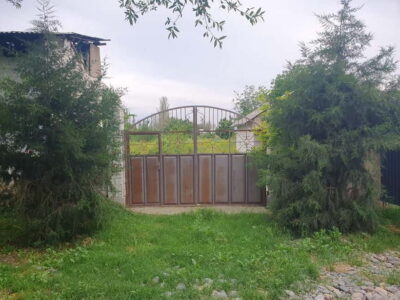
Village Tour with Plov Cooking Class & Home Visit
Read our review →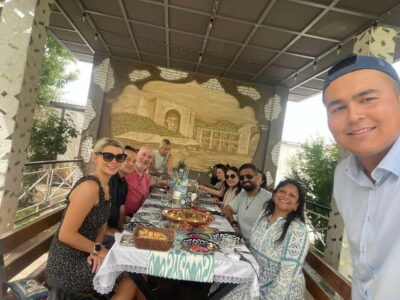
Cooking class in Samarkand with local life experience
Read our review →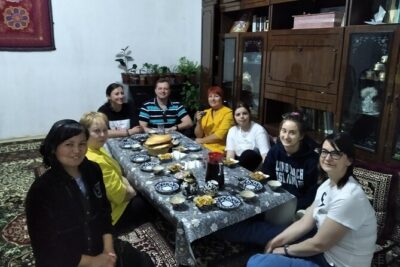
Private Samarkand Cooking Class with Market Tour & Transfers
Read our review →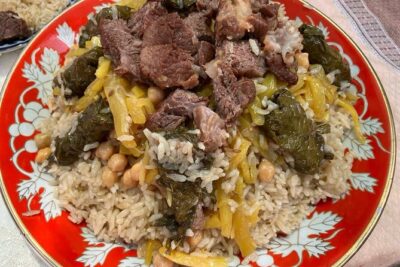
Cooking Class in the Village with Local Family in Samarkand
Read our review →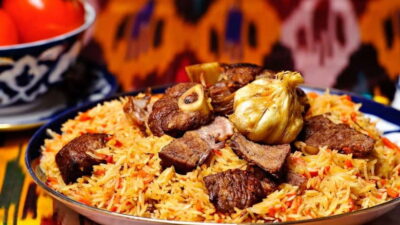
Samarkand Local Family Cooking Class and Siyob Bazaar Tour
Read our review →Browse the lists this tour appears in