
Reviewed · KHIVA ANCIENT FORTRESS TOURS
Tranfer Khiva – Bukhara via Ancient Fortresses
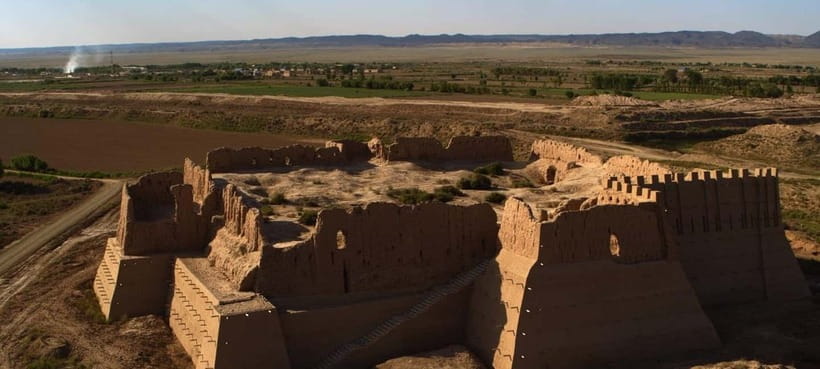
Khiva to Bukhara is a long road trip, but this private transfer gives the journey a proper purpose: you cross the Kizilkum Desert while exploring three remote fortresses of the old Khorezm Oasis. Toprakkala, once the region’s first capital, is the star of the day, while Ayazkala delivers the broadest views and Kizilkala adds a quick, atmospheric stop.
I like two things here. First, you are not trapped in a coach following a fixed sightseeing clock. Your private group of up to three can spend as much time as needed at the forts. Second, the ride combines transport and sightseeing for $180 per group, which is strong value if you are traveling with two other people. Drivers such as Jasur and Bek are praised for being kind, helpful, and careful.
The tradeoff is the length of the day. Nine hours in a vehicle, with several stops and a final arrival in Bukhara, calls for comfortable shoes, warm layers in cold weather, and patience on a long route. Entrance tickets and personal costs are extra, and English ability may vary by driver.
Key points at a glance
- Three desert fortresses on one transfer: Visit Toprakkala, Kizilkala, and Ayazkala without arranging a separate return trip from Khiva.
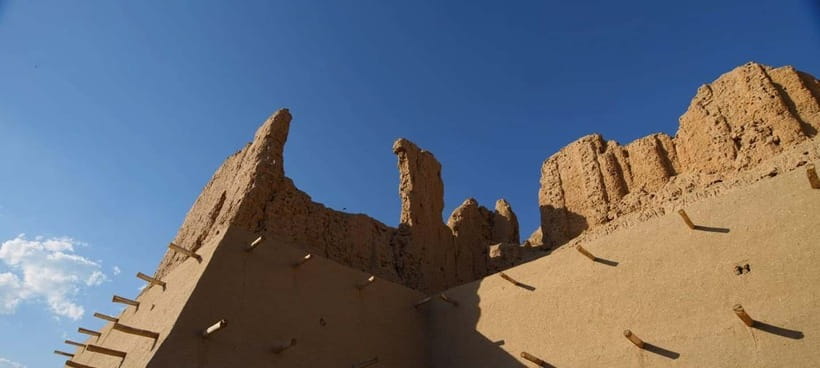
- Toprakkala’s royal importance: See the former capital where early Khorezm writing, a calendar, and plaster figures were found.
- Ayazkala’s remote setting: Explore one of the best-organized frontier fortresses, built to guard the oasis from northern nomadic raids.
- Private transport for up to three people: The $180 price is per group, not per person, making it most attractive for a small party.
- A useful route between cities: You arrive at your Bukhara hotel after turning a necessary transfer into a major sightseeing day.
- Local touches along the road: A fruit-market stop may offer seasonal produce such as the local melons praised by one visitor.
Why this route is more than a simple transfer
The old Khorezm Oasis once had so many defensive sites that the area became known as Ellikkala, meaning 50 fortresses. The name gives you a sense of the scale, even though this tour visits only three of them.
I like the basic idea because the ruins are spread across a dry, open part of Uzbekistan. Reaching them independently can take planning, transport, and a separate return journey. Here, the vehicle continues toward Bukhara, so your sightseeing follows the direction you already need to go.
This is not a polished city tour with reconstructed interiors and a long list of exhibits. You are visiting open archaeological sites. The reward comes from the setting, the thick clay walls, the empty horizons, and the feeling of seeing defensive places where the oasis met the steppe.
The private format matters. You can travel with up to three people, collect your party at Khiva’s Ata Darwaza, or arrange pickup at your hotel, then finish with a drop-off at your Bukhara hotel. That door-to-door design saves you from handling luggage between separate transport legs.
More khiva ancient fortress tours in Khiva:
- Transfer: Bukhara – Khiva via Ancient Fortresses
★ 4.5 · 101 reviews - Daytrip From Khiva To Ancient Fortresses
★ 4.6 · 60 reviews - Private Daytrip to 7 Ancient Fortresses of Khorezm
★ 5.0 · 25 reviews
Leaving Khiva through the Ata Darwaza
The stated meeting point is Ata Darwaza, the western gate of Ichan Kala. Hotel pickup is also allowed, which is the simpler choice if you have bags or prefer not to walk to the gate early in the morning.
You should wait in the hotel lobby five minutes before the scheduled pickup. The vehicle includes air conditioning, an important comfort on a route that crosses open desert and can become very hot.
The driver is the main human contact for the day. English and Russian are offered, but English fluency can vary. Bek is described as speaking limited English while still communicating well, and Jasur is noted for offering useful information and practical advice. If you want detailed archaeological explanation at every stop, confirm the language level before booking.
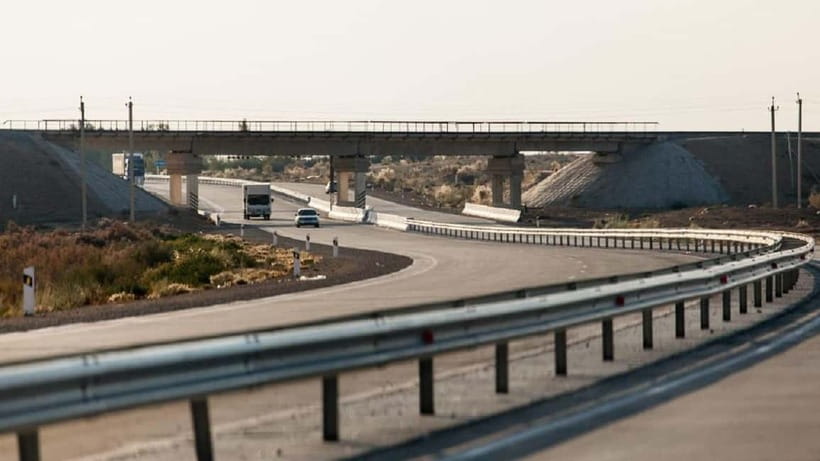
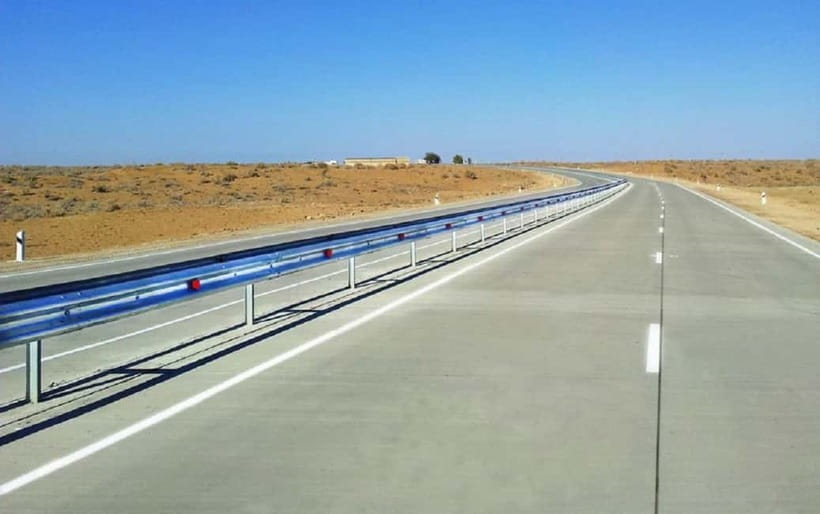
The ride itself is part of the experience. Khiva gradually gives way to the broad, dry scenery of the Kizilkum Desert. Keep your camera ready, but also expect long stretches between sites. This is a transfer with sightseeing built into it, not a short local excursion.
Toprakkala, the first capital of Khorezm
Toprakkala means Clay Fortress. It is the most historically important stop on this route because it was once the first capital of Khorezm.
The site also helped reveal early evidence of organized statehood in the fourth century. Archaeologists found the first known written sources of Khorezm here, along with a calendar and plaster statuettes of singers. Those finds make Toprakkala more than a pile of old walls. It shows a society with administration, writing, ceremony, and an organized urban plan.
The remains also matter because early city plans were found here. As you walk around, try to picture Toprakkala as a planned capital rather than judging it only by the surviving clay walls. Much has disappeared, but the scale and arrangement hint at a powerful center in a difficult frontier setting.
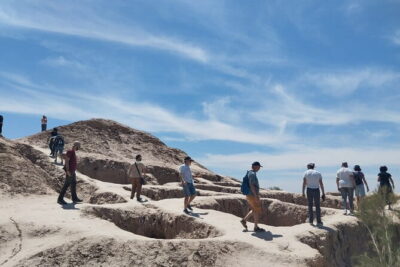
The site is exposed, so sturdy shoes are a must. There may be uneven ground, loose surfaces, and little shelter from the sun or cold. Bring water, wear comfortable clothing, and carry a warm layer if you are visiting in winter.
Toprakkala rewards people who enjoy archaeology and ancient political history. If you mainly want dramatic walls rising against the desert, Ayazkala may leave the stronger visual impression. Toprakkala is the stop that gives the day its historical backbone.
Kizilkala, the Red Fortress on the way
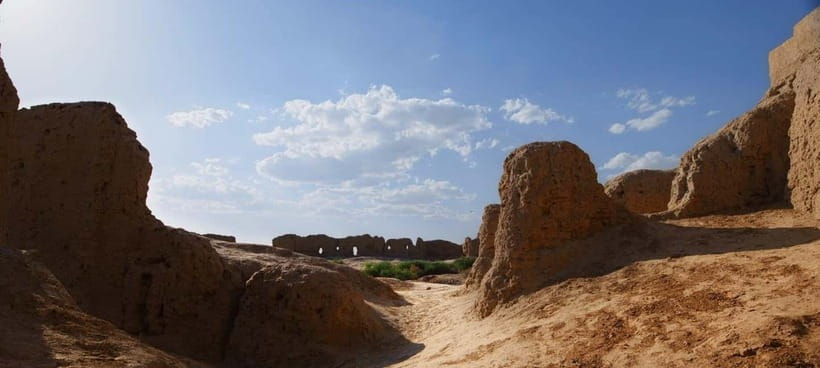
Kizilkala means Red Fortress, named for the color of its clay. It was one of the garrison forts that helped protect the Khorezm Oasis.
This is generally a shorter stop than the larger fortress complexes, but that does not make it disposable. Its value comes from showing another part of the defensive system. Toprakkala served as a capital, while Kizilkala had a more military role.
The route between the sites also helps you understand why these forts were built. The oasis needed protection along its borders, especially from raids coming from the north. Kizilkala’s position and compact military character fit that purpose.
Do not expect a fully restored fortress or a museum-like visit. The appeal is the clay construction, the color, and the open setting. Your driver may provide some background, though the amount of English explanation depends on who is assigned to your group.
One useful feature of a private trip is that you are not forced to rush through this stop or wait for a large group. If you want photographs, a quiet walk, or a closer look at the remaining walls, you can ask the driver for time.
Same Silk Road, a completely different kind of day:
- Aral Sea Adventures (2 day)
★ 5.0 · 30 reviews - Khiva Historical City Highlights Guided Walking Tour
★ 5.0 · 30 reviews - Guided Tour To Old Fortresses
★ 5.0 · 25 reviews - From Khiva To Aral Sea 2-Days One Night In Yurt Stay
★ 4.6 · 20 reviews
Ayazkala and the cold of the steppe

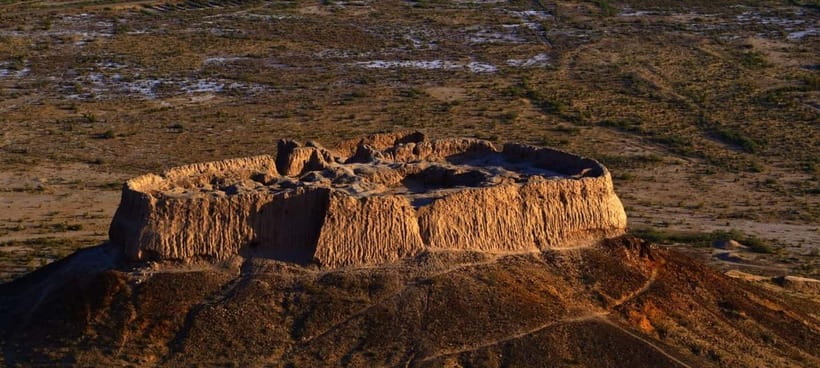
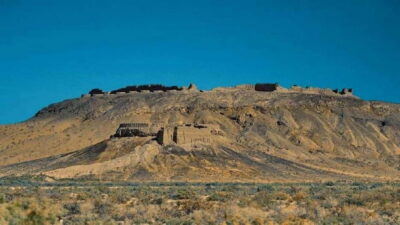
Ayazkala is the most remote of the three major stops and one of the best organized and protected fortress sites in the oasis. Its name is translated as Severe Frost Fortress, a name that makes more sense in winter, when the steppe cold can be intense.
The complex consists of three parts. Together, they show the importance of the site and the care taken to defend the oasis edge. These fortresses were placed around the borders to help protect settled communities from raids by nomadic groups from the north.
Ayazkala is likely to be the most memorable stop for sheer setting. You see the ruins in a wide, open environment, with little modern development to distract from the old walls. The site’s remote position is part of its strength, but also part of the practical challenge. You are far from city comforts, so carry your own water and dress for the forecast.
Winter can be especially rewarding if you want clear air and fewer people around, but it demands proper clothing. A February visit after snowfall was described as a particularly moving experience, with the ruins almost entirely to the visitor’s group. At other times, heat and glare are the bigger concerns.
Allow yourself enough time here. Ayazkala is not just a quick photo stop, and one benefit of this private route is the ability to set your own pace within the day’s schedule.
The road to Bukhara and the lunch stop
After the fortress visits, the vehicle continues to Bukhara. The full experience is estimated at nine hours, though the exact arrival time depends on road conditions, stop lengths, and lunch.
Lunch is expected along the way rather than included as a formal meal in the price. One visitor found the lunch option good, but you should treat it as an additional expense. The same applies to personal purchases and any drinks.
A stop at a local fruit market may also be possible. A particularly good local melon was remembered as a highlight, which is a reminder that small roadside moments can add more local flavor than a standard restaurant stop. These extras are not guaranteed as named attractions, so ask your driver what is practical on the day.
The long drive is easier if you think of it as two parts: an archaeological morning or afternoon, followed by a cross-country transfer. You will want water, a camera, and clothing that works for both walking and sitting. Drinks and food are not allowed in the vehicle, so follow the operator’s rules and plan purchases around the stop.
What the $180 group price really buys
The price is $180 for a private group of up to three people. That covers the air-conditioned vehicle, pickup and drop-off, visits to all three fortresses, and taxes.
For three people, the transport cost works out to $60 each before entrance fees and personal expenses. For two, it is $90 each. For one person, it is a costly transfer, but still potentially worthwhile if you value saving a full extra day and avoiding the trouble of arranging transport between remote sites.
Entrance tickets are not included. Budget about $1 to $2 per monument per person, so the total additional cost is modest. Lunch, drinks, and other purchases are also extra.
The value improves if you already need to travel from Khiva to Bukhara. Instead of paying for a plain transfer and then arranging a separate fortress excursion, you combine both. It is less attractive if you want a relaxed day with only one major sight, since the route is long and the stops are spread out.
The high transport rating and overall score of 4.8 from 24 ratings point to strong satisfaction, especially with the drivers and the usefulness of the route. Still, a high score does not change the basic facts: this is a long road day, the sites are open and exposed, and the driver may not function as a full archaeological guide.
Who will get the most from this day
I would recommend this transfer to anyone moving between Khiva and Bukhara who has a real interest in ancient ruins. It is also a good fit for small groups of friends, couples, and families who want a private vehicle and control over stop times.
You will likely appreciate it most if you:
- Want to see more of the Khorezm Oasis beyond Khiva’s historic center
- Enjoy remote ruins and archaeological settings
- Prefer a private group to a large shared vehicle
- Need transport from Khiva to Bukhara anyway
- Can manage a full day with several hours on the road
I would think twice if you dislike long drives, have limited walking comfort, or prefer indoor museums and polished attractions. The sites are not presented as a short, effortless outing. Comfortable shoes are essential, and wheelchair access to the vehicle does not necessarily mean every ancient fortress surface is easy to navigate.
The driver can speak English or Russian, but you should not assume a full guided lecture in fluent English. If historical interpretation is central to your plans, ask ahead about the assigned driver and what level of explanation is available.
Practical details that make the day easier
Book this with the weather in mind. Warm clothing is especially important in winter, while water and sun protection matter in hotter months. The supplied advice is simple and correct: bring comfortable shoes, a camera, comfortable clothes, and your own water.
The private group setup also makes luggage planning easier because you finish at your Bukhara hotel. Confirm the pickup point clearly, especially if you are meeting at Ata Darwaza rather than using hotel pickup.
The activity allows free cancellation up to 24 hours before departure and offers reserve now, pay later booking. That is useful when your Uzbekistan transport plans are still shifting.
A full refund is available for cancellations made within that time limit. Check the available starting time when choosing your date, since the experience lasts about nine hours and is not a casual half-day outing.
Should you book the Khiva to Bukhara fortress transfer?
Book it if you need to reach Bukhara and want the road between the cities to carry some history. Toprakkala gives the day its cultural importance, Kizilkala adds military context, and Ayazkala supplies the grand remote setting. The private vehicle, flexible stop times, and hotel drop-off make the $180 group price sensible for two or three people.
Skip it if your priority is speed, comfort without long stops, or detailed guiding at every ruin. For the right visitor, though, this is one of the smarter ways to connect Khiva and Bukhara: you turn a necessary transfer into a day among the clay fortresses of ancient Khorezm.
FAQ
How long does the Khiva to Bukhara fortress transfer take?
The experience lasts about nine hours, including the fortress visits, the road journey, an estimated lunch stop, and arrival in Bukhara.
Which fortresses are included?
The route includes Toprakkala, Kizilkala, and Ayazkala in the Khorezm Oasis.
Where is pickup in Khiva?
Pickup is available at Ata Darwaza, the western gate of Ichan Kala. Hotel pickup is also allowed.
Is the transfer private?
Yes. The vehicle is for a private group of up to three people.
Are entrance tickets included?
No. Entrance tickets cost about $1 to $2 per monument per person and are paid separately. Lunch and personal expenses are also not included.
What languages does the driver speak?
Drivers speak English or Russian. English ability can vary, so ask about language needs when booking.
Just added around Khiva
- Traditional Khiva Cooking Class with Market Visit & Lunch★ 5.0 · 4 reviews
- Old Khiva Stories with Your Local Guide★ 5.0 · 5 reviews
- A Night In The Kyzylkum Desert [2] From Khiva★ 4.5 · 3 reviews
- Master Class – Uzbek Bread (Khiva)★ 3.5 · 4 reviews
- Aral Sea – Extended trip (3 days)★ 5.0 · 5 reviews
- Khorezm Fortress and KyzylKum Desert Private Tour★ 5.0 · 3 reviews
- Best of Khiva: Exclusive Private Tour!★ 5.0 · 3 reviews
- Uzbekistan 6 Days Private Tour Khiva-Bukhara-Samarkand by Train★ 5.0 · 4 reviews
Khiva Ancient Fortress Tours, compared.

Private Bukhara-Khiva Transfer via Ancient Fortresses
Read our review →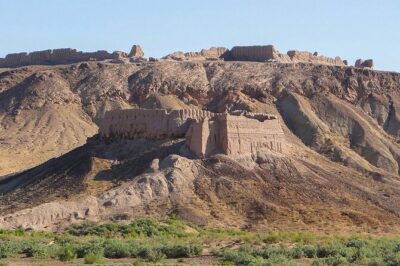
Ayaz Kala & Toprak Kala private fortress daytrip from Khiva
Read our review →Browse the lists this tour appears in