
Reviewed · CHIMGAN AND AMIRSOY MOUNTAIN TOURS
Tashkent: 3-Day Horseback Riding Tour in Chimgan Mountains
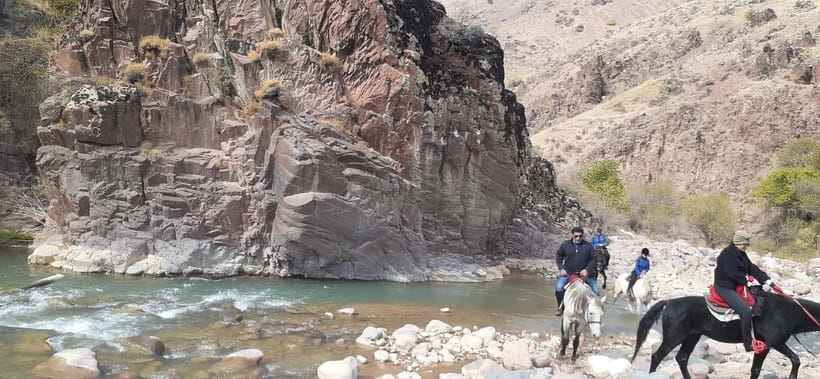
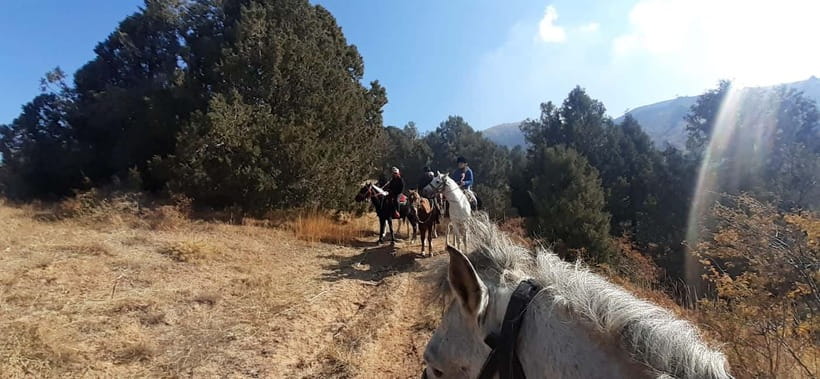
The best part of this trip is its changing mountain scenery: you ride from Aksai Valley past shepherds and livestock, across rivers and passes, then along a ridge with views toward Charvak Lake. This is not a gentle pony ride. Expect five to six hours in the saddle each day, with real climbs, descents, river crossings, and stretches where you may canter.
I like the small-group format, limited to 10 people, and the practical support: a horseman, an English-speaking guide, a cook, four horses, a donkey, tents, sleeping bags, and full-board meals. I also like the local contact, from meeting villagers to eating at a family home on the final day. The main drawback is that the route and camping plan may change with weather and organization. One booking party rode only about two and a half hours on the final day and camped in a field near town rather than at a remote mountain site.
Key points to know before you book
- Five to six hours of riding daily: You need riding stamina, not just enthusiasm for horses.
- A real mountain route: Expect rivers, steep ascents, descents, passes, meadows, and uneven ground.
- Two memorable camps: The planned camps are beside rivers and in open mountain country, with fires and starry skies.
- Local meals matter: A cook handles full-board food, and the final day may include a meal at a family home.
- Included equipment saves money: Tents, sleeping bags, sleeping rugs, kitchen equipment, horses, and transport are provided.
- The schedule can shift: Weather and local conditions may affect where you camp and how long you ride.
A horseback route through the Chimgan Mountains
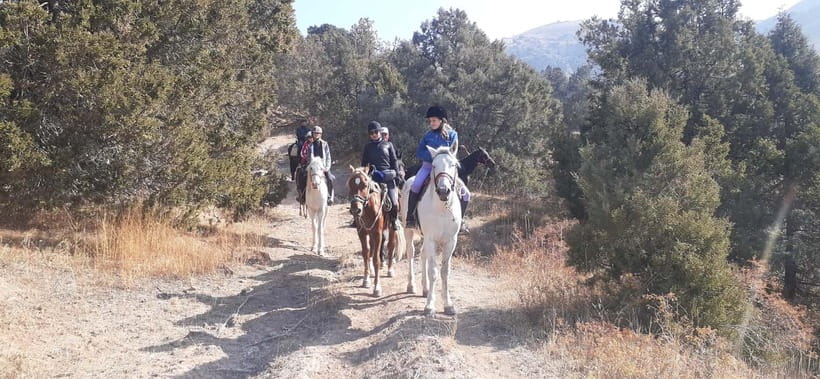
This three-day tour takes you from Tashkent Province into the Chimgan Mountains, a short but dramatic change from city life. The focus is not on checking off famous monuments. It is on moving through the mountains at horse speed, with time to notice pastureland, river valleys, rock formations, and distant peaks.
The route links Aksai Valley, Chet Kumbel Pass, Beldersai Valley, Uchterak village, Akshuran Pass, and the ridge above Chorvak Oromgohi. You ride with local support rather than managing the route alone, and the group size is kept small.
That matters here. Mountain riding requires decisions about water, weather, horse pace, and rest stops. The English-speaking guide and horseman are joined by a cook, who prepares meals in camp. A donkey carries supplies, while four horses are assigned to the group, with two for riders and two for the horseman and guide.
You should still ask about the horse arrangement before booking. The supplied details describe two horses for tourists, which suggests this may be best suited to a very small number of riding participants rather than a full group of 10 riding at once. Clarify how many people will ride and how horses are rotated.
More chimgan and amirsoy mountain tours in Tashkent:
- Best of Tashkent Mountains: Amirsoy, Chimgan & Charvak Trip
★ 4.8 · 567 reviews - Amirsoy, Chimgan & Charvak Full-Day Adventure
★ 4.9 · 82 reviews - Tashkent Tour at Amirsoy, Chimgan Mountains and Charvak lake
★ 5.0 · 37 reviews
Day one: Aksai Valley, Archali Pass, and a riverside camp
Your pickup begins in Tashkent. For up to three people, the operator can provide a Chevrolet Lacetti or similar light sedan. Larger groups use a van such as a Hyundai Starex. The mountain transfer gets you to Aksai Valley, where the riding begins.
The first hours take you past a village and upward toward Aksakata Mountain. This gives you an immediate sense of the trip’s physical demands. You are not simply following a level trail. You gain height, pause for a short rest, then move slowly across the valley toward Archali Pass.
This section is especially good for seeing how the mountains are used by local people. Packs of horses, livestock, shepherds, and summer pastures become part of the view. The route offers a working mountain setting rather than a polished recreation park.
Lunch comes near the marble belt, an unusual geological feature that adds variety to the ride. After eating, you descend toward the meeting point of the Aksaka Ata and Nurik Ata rivers. You cross a wooden bridge and follow a valley noted for its alpine plant life.
The first camp is set near the river. The evening plan is simple and appealing: make a fire, eat a cooked meal, and look up at the stars. Camping beside moving water can be beautiful, but it also means you need warm layers, dry clothing, and rain protection. Mountain weather can change quickly, and the ground may be damp.
This is also the point where expectations matter. The advertised plan calls for wild camping near rivers and meadows, but one booking party was moved to a field near town because of weather. That may be the sensible choice for safety, yet it does not offer the same sense of remoteness. Ask what backup camping arrangements are used during poor weather.
Day two: Chet Kumbel Pass and the long mountain crossing
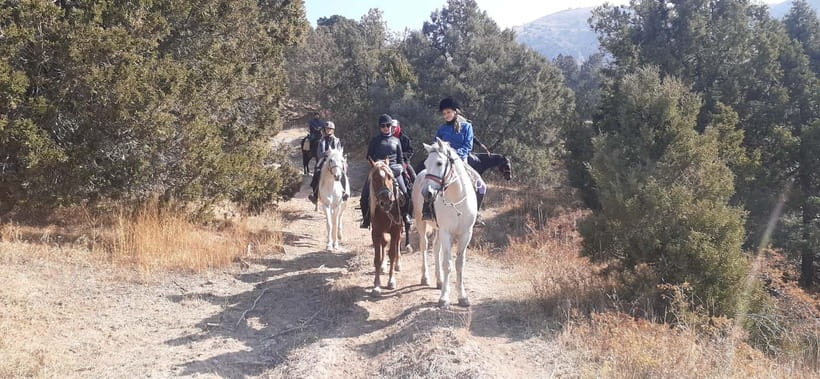
Day two is the hardest and most varied riding day. You wake early, prepare hiking porridge and hot coffee, pack the camp, and set out across a route of rivers and repeated climbs and descents.
After several hours, you reach a shelter used by a mountain bee farmer. The horses rest here, giving you a useful pause after the first demanding section. The stop also adds a human detail to the route. You are seeing how people work in these mountains, not just passing through empty scenery.
From there, you climb toward Chet Kumbel Pass. Lunch is planned near spring water and a very old tree, described as about 1,000 years old. A spring is a practical and welcome place for a midday break, especially after a long climb, but you should follow the guide’s advice about drinking water and carry your own bottle.
The route then traverses Kumbel Mountain toward a ski slope. You continue through forest to a large rock, then reach a broad alpine meadow where there may be room to canter. This is likely to be one of the most enjoyable parts of the ride. After hours of climbing, a wide open meadow lets you feel the horse’s movement without the same tight turns and obstacles found in a river valley.
The day is not finished. You descend toward a marble gorge for another meal and horse rest, then climb again to Urta Kumbel before making a quick descent into Beldersai Valley. The route crosses a river and continues through Yakka Archa toward Chet Kumbel, where camp is set near the water.
The repeated pattern of climb, rest, descent, and river crossing is worth understanding. Even experienced riders may feel tired because mountain riding uses different muscles from ordinary walking or flat trail riding. If you have limited riding experience, tell the operator clearly before arrival. The guide needs to know your ability, and you need to be comfortable with the length of each day.
Day three: Villages, red cliffs, and the view over Charvak Lake
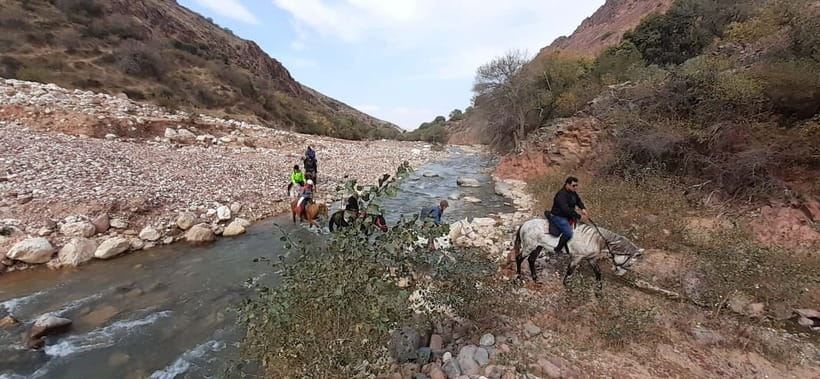
After breakfast, you ride across a meadow and begin descending. Within about an hour, you reach the Beldersai River bridge and cross it before climbing toward Uchterak village.
Lunch near the village gives the day a more settled rhythm. You pass through the village, meet local people, and cross the Galvaysai River. These encounters are one of the tour’s strongest features because they connect the mountain route with everyday life in the region.
Next comes the climb to Akshuran Pass. A cantering area follows, offering another chance to ride at a faster pace if conditions and your ability allow it. The route then follows a ridge with rolling red cliffs known as Kyzyljar.
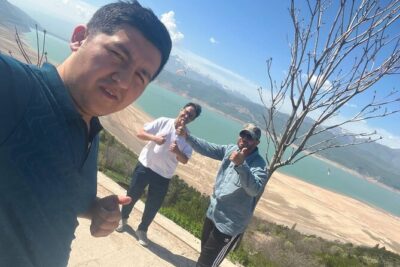
The final stretch leads to a peak described as last, where you can see Charvak Lake. This is the visual payoff of the route. After spending two days in valleys, forest, pasture, and mountain passes, you get a broad view over the lake and surrounding peaks.
From the viewpoint, you rest and walk down to Chorvak Oromgohi, where your driver meets you. You say goodbye to the horseman and his brother before returning to Tashkent. The planned description suggests a full riding day, but this is the part of the schedule that needs the clearest confirmation. One booking party rode only around two and a half hours on day three, so the actual duration may depend on weather, route conditions, and the group’s pace.
Same Silk Road, a completely different kind of day:
- Samarkand One Day Tour – Departure From Tashkent
★ 5.0 · 313 reviews - Tashkent City Tour
★ 5.0 · 121 reviews - Shymkent Day Tour from Tashkent
★ 4.6 · 71 reviews - Highlights of Tashkent (old and new part)
★ 5.0 · 60 reviews
What the camping and food are really like
The tour includes tents, sleeping bags, sleeping rugs, kitchen equipment, and a cook. That is a useful package for a remote mountain ride. You do not need to buy or carry a complete camping setup, though you do need your own personal mountain clothing and day pack.
Meals are full board during the mountain section. The cook prepares food at camp, including the morning porridge and coffee. The strongest food detail comes on the final day, when the group ate at a family home. That kind of meal can be more memorable than a standard restaurant stop because it brings you into direct contact with local hospitality.
Do not expect hotel comfort. Camps are near rivers and meadows, and facilities are basic. The same booking party found the field camping arrangement awkward because hotels and toilets were only a short walk away, while the field had the inconvenience of wild camping without the same sense of escape.
Bring enough clothing to stay comfortable if your gear becomes wet. The required list includes hiking shoes, rain gear, gloves, a hat, sunglasses, a change of clothes, comfortable riding clothes, and personal medication. A personal first-aid kit is also your responsibility.
How difficult is five to six hours on horseback?
This is a demanding outdoor trip. The horse carries you, but your body still works throughout the day. You must balance in the saddle, adjust to climbs and descents, handle uneven ground, and remain alert near water and narrow mountain routes.
The tour is not suitable for people with back problems, mobility impairments, heart problems, or respiratory issues. That warning should be taken seriously. You should also consider your general fitness, riding experience, and comfort with camping.
River crossings and passes are exciting, but they are not controlled arena exercises. Conditions may be wet, rocky, slippery, or affected by rain. Wear shoes that stay secure on your feet and clothing that allows easy movement.
If you are new to riding, ask about instruction before departure. The package includes riding guidance, but the amount of formal teaching is not specified. You should not assume that a first-time rider will receive a long lesson before a full day in the mountains.
What the $430 price includes
At $430 per person, the price is not low, but it covers a lot of moving parts. You are paying for three days of mountain support, transport from and back to Tashkent, an English-speaking guide, a horseman, horses, a donkey for supplies, camping equipment, cooking equipment, a cook, registration, and full-board meals.
That makes the value stronger than the headline price first suggests. Hiring horses, transport, camping gear, food support, and mountain staff separately would be difficult, especially if you do not speak the local language or know the route.
The price does not include city meals, insurance, visa support, personal mountain equipment, footwear, clothing, or your first-aid kit. You should also budget for any food you need before pickup and after your return.
For me, the price makes sense if you want a supported trip with local staff and do not already own camping equipment. It is less compelling if you expect a fixed, polished schedule or hotel-style comfort. The experience has a practical, local feel, but the organization may not always match the precision of the written plan.
Transport, group size, and booking questions
Pickup is included from your hotel or another place in Tashkent. A sedan is available for groups of up to three, while larger groups use a van. Since the drive to the mountains is part of a long outdoor day, confirm the pickup time and vehicle before departure.
The maximum group size is 10. Smaller groups should feel more manageable on mountain trails, especially when horses need to cross rivers or negotiate steep sections. Ask how many riders are booked for your date and how the available horses are assigned.
Free cancellation is available up to 24 hours before the activity for a full refund, and you can reserve without paying immediately. Those options help if your Tashkent plans are still changing, but they do not remove the need to confirm the route, camping point, riding hours, and equipment in advance.
One organizational warning is worth highlighting. A booking party was asked through WhatsApp about equipment and riding experience, but the information did not reach the guide. The result was confusion over tent arrangements. Send your riding background and equipment list directly to the operator, then confirm that the guide has received it.
Who should book this mountain ride?
I would choose this tour if you want long days outdoors, local meals, basic camping, and a route that changes constantly. It suits riders who are comfortable with physical effort and who see a river crossing or a steep pass as part of the appeal.
It is also a good fit if you want help with the practical side of mountain travel. The guide, horseman, cook, driver, horses, donkey, and equipment reduce the amount you must organize yourself.
I would hesitate if you need reliable hotel rooms, private bathrooms, a tightly controlled timetable, or guaranteed riding hours. I would also think carefully if you have never ridden before. The route includes a lot of saddle time, and the supplied information does not promise an easy beginner trail.
Should you book the Chimgan horseback tour?
Book it if the idea of riding through open meadows, crossing mountain rivers, sleeping beside a campfire, and meeting villagers sounds better than a comfortable resort stay. The scenery, local food, experienced mountain staff, and Charvak Lake viewpoint give this trip real appeal.
Before paying, confirm four things: your horse assignment, the exact camping backup plan, the expected riding hours on day three, and which personal equipment you must bring. If the operator answers those clearly, the $430 price can be fair for a supported three-day mountain trip.
If you need a predictable schedule, treat this as a risky choice. The strongest parts are also the least polished: the route is remote, conditions change, and the organization may be uneven. For an active rider who values access and local contact over comfort, that rough edge may be part of the experience.
FAQ
How long do I ride each day?
The tour involves approximately five to six hours of horseback riding each day. The final day may be shorter in practice, so confirm the expected riding time before booking.
Is transport from Tashkent included?
Yes. Pickup from your hotel or another location in Tashkent is included, along with transport back to the city. Up to three people can use a light sedan, while larger groups travel by van.
What camping equipment is provided?
Tents, sleeping bags, sleeping rugs, and kitchen equipment are included. A cook also prepares the meals during the mountain portion of the tour.
Are meals included?
Full-board food is included during the tour. City meals are not included. The camping plan includes breakfast, lunch, and dinner, with examples such as hiking porridge and hot coffee in the morning.
What should I bring?
Bring your passport or ID card, sunglasses, a hat, spare clothes, hiking shoes, rain gear, comfortable clothes, gloves, and personal medication. You are also responsible for personal mountain equipment, including a backpack, and your own first-aid kit.
Is the tour suitable for first-time or less experienced riders?
The supplied information does not state that the tour is designed for beginners. Because you ride five to six hours daily and cross rivers and mountain passes, you should tell the operator honestly about your riding experience and confirm that the route suits you.
More 3-Day Experiences in Tashkent
- Uzbekistan 3 Day Private Tour Tashkent-Bukhara-Samarkand Bullet Train
★ 4.5 · 23 reviews - 3-Day Chimgan Trekking Tour
★ 5.0 · 10 reviews - Desert yurt camp and Mountain tour – 3 days
★ 4.5 · 15 reviews - Aral Sea – Extended trip (3 days)
★ 5.0 · 5 reviews
Just added around Tashkent
- Private Intercity Transfer Tashkent – Samarkand – Tashkent★ 3.5 · 3 reviews
- Tashkent Mountain Tour Amirsoy with Transport★ 3.5 · 3 reviews
- Tashkent-Samarkand-Bukhara tour-3nights/4 days★ 5.0 · 5 reviews
- Amirsoy & Chimgan mountain tour from Tashkent★ 5.0 · 3 reviews
- Private Tashkent City Tour★ 5.0 · 3 reviews
- Tashkent Food and Metro Journey★ 5.0 · 4 reviews
- Tashkent City Tour with Hotel Pickup and Drop off★ 4.5 · 4 reviews
- Silk Road Secrets Tour in Uzbekistan★ 5.0 · 4 reviews
Chimgan and Amirsoy Mountain Tours, compared.
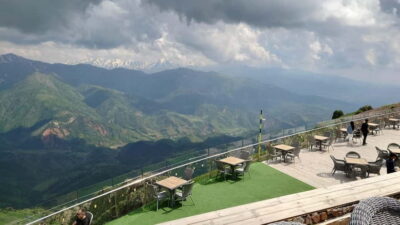
Best of Tashkent Mountains: Amirsoy, Chimgan & Charvak Trip
Read our review →
Tashkent Tour at Amirsoy, Chimgan Mountains and Charvak lake
Read our review →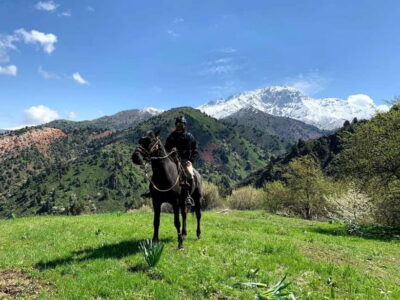
Private tour: Amirsoy, Chimgan mountains & Charvak
Read our review →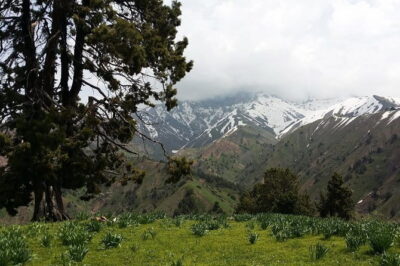
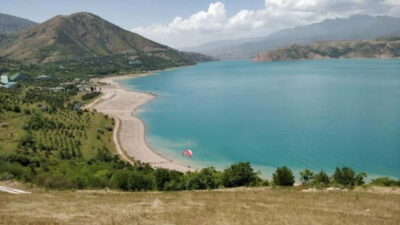
Amirsoy, Chimgan Mountain & Charvak Lake tour from Tashkent
Read our review →Browse the lists this tour appears in