
Reviewed · TASHKENT TOURS
Highlights of Tashkent (old and new part)
Tashkent reveals itself best in its contrasts: a centuries-old Qur’an beside Soviet avenues, a domed bazaar beside polished modern streets, and a metro system that feels like an underground art museum. This private tour connects those pieces with local stories, food stops, and a look at parts of Chorsu Bazaar that most first-time visitors would miss.
I like the way the tour mixes major sights with ordinary city life, especially the backstreets, bakery, and food court at Chorsu. I also like the flexible pace. Guides such as Bakhtiyor, Shovkat, Mohira, and Marhaba have adjusted routes, answered questions about daily life, and helped with practical matters beyond the sightseeing itself.
The main consideration is that $120 covers the guide only, not transport, entry fees, or lunch. The tour also packs a lot into roughly five hours, so you will see highlights rather than spend long, quiet periods at each place.
Key points at a glance
- Hazrati Imam Square: See the celebrated Qur’an collection, grand mosque, and Barak-khan Madrasa with context about Islam and Uzbek traditions.
- Chorsu beyond the main dome: Walk through local food areas, dried-fruit stalls, butchers, bakeries, and less polished lanes.
- Hands-on food moments: Taste bread, halwa, and other local snacks, with a chance to watch or help with bread baking.
- Tashkent’s changing identity: Move from Timurid and Islamic heritage to Soviet planning, metro art, and modern city life.
- Plov as lunch theater: Visit the Central Asian Plov Center, where you can watch cooks prepare the national dish in huge pots.
- Private and adjustable: A group of up to five can shape the route around interests such as museums, city streets, or food.
Starting at Hazrati Imam and the old city
The meeting point is the main entrance gate of Hazrati Imam Mosque, in Tashkent’s old part. The exact point is sent by WhatsApp after booking, so make sure you have a working phone connection and contact the organizer directly if you book only one or two days ahead.
Hazrati Imam Square gives the tour its strongest historical opening. The complex is tied to one of Uzbekistan’s most important Islamic collections, including the famous Qur’an described as the world’s oldest. The point is not just to tick off a sacred site. Your guide explains why people come from across the world and how religion fits into Uzbek society today.
Expect to spend about an hour and a half around the complex. The grand mosque provides the main visual impact, while Barak-khan Madrasa adds the architectural and educational story of the old city. Your guide may also explain customs, religious practice, and the place of Islam in modern Uzbekistan.
There is an entrance charge of 60,000 UZS per person for Hazrati Imam. Dress and behavior should be respectful at this religious site. The supplied information does not set out a formal dress code, so modest clothing is the sensible choice.
The strength here is explanation. Without a guide, you can admire tiled facades and courtyards but miss the connections among scholarship, faith, architecture, and national identity. Guides such as Shovkat and Murotjon have been praised for explaining both ancient Central Asia and contemporary Uzbekistan, which is useful if you are trying to place Tashkent within a longer regional story.
Other Tashkent days people book alongside this one:
- Best of Tashkent Mountains: Amirsoy, Chimgan & Charvak Trip
★ 4.8 · 567 reviews - Samarkand One Day Tour – Departure From Tashkent
★ 5.0 · 313 reviews - Tashkent City Tour
★ 5.0 · 121 reviews
Chorsu Bazaar, where the city gets practical
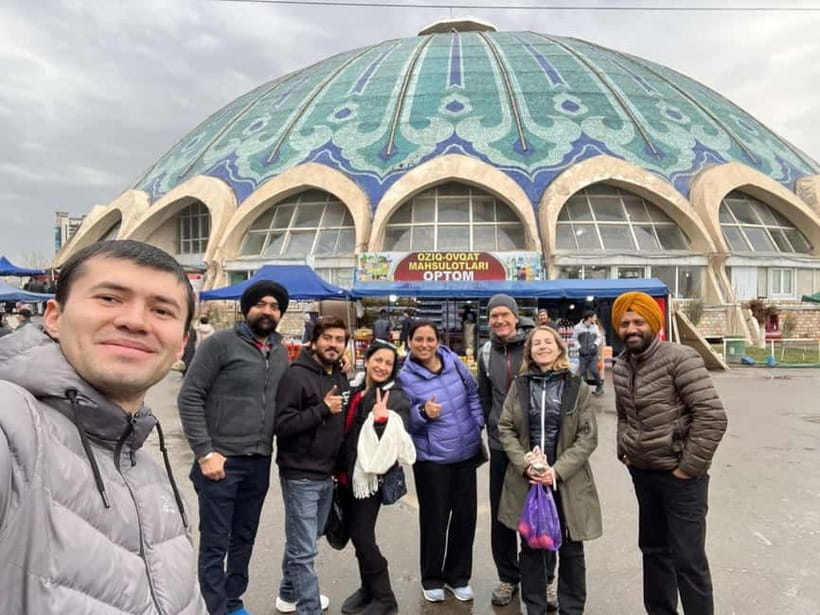
Chorsu Bazaar is the tour’s most distinctive stop. The grand central market is easy to find on your own, but the useful part of this experience is moving beyond the obvious central hall into local food sections and side streets.
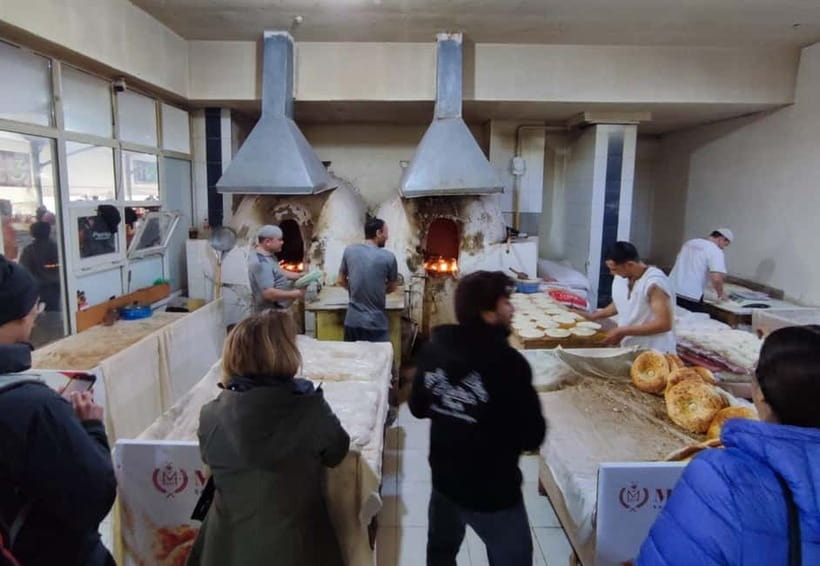
You can expect to see the food court, bakery, butchery, dried-fruit area, and other market departments. This is a working market, not a staged cultural display. You may see shoppers comparing produce, workers handling meat, and bakers turning out the round loaves that appear on Uzbek tables every day.
The bakery visit is a particular strength. You may have a chance to watch the bread-making process and even take part in baking local bread. That small activity gives you more than a photo. It shows how food, work, and hospitality meet in everyday Uzbek life.
Food tasting is built into the walk. The supplied details mention bread, halwa, dried fruit, and other local items. Your guide may buy small samples so you can try things without having to guess what is on offer or negotiate every purchase yourself.
Chorsu can be crowded and noisy, and the market is not the place for a relaxed, polished stroll. That is also its value. Wear comfortable shoes, keep your belongings secure, and expect uneven pacing as the group stops at stalls and squeezes through narrower lanes.
This is where guides earn their fee. Bakhtiyor has been praised for making the bazaar the main highlight, while Shovkat has been described as especially good at showing street food, dried-fruit stalls, and the less obvious routes through the market. If food matters to you, tell the guide at the start so you do not rush this section.
Riding the Tashkent Metro
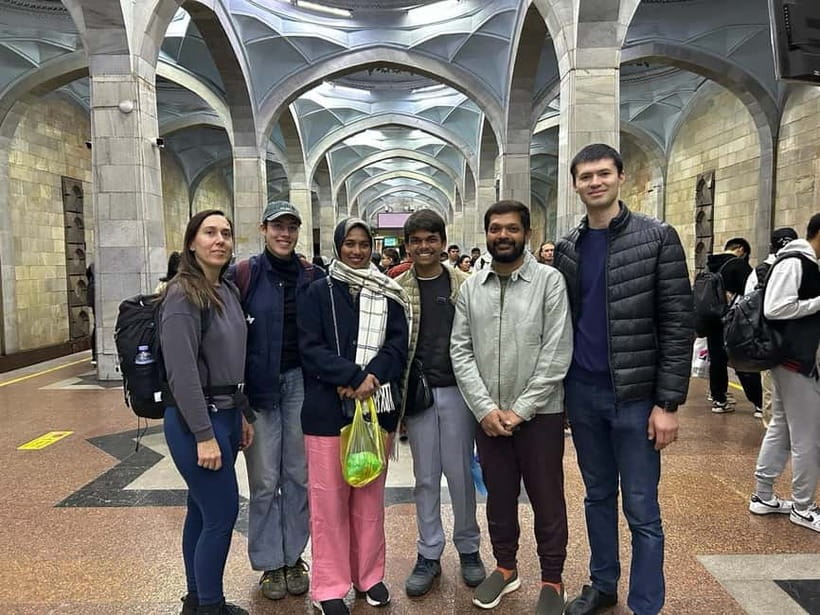
The route uses the Tashkent Metro to reach some of the city’s most attractive stations. A metro ride here is not just a transport shortcut. It gives you a look at the city’s Soviet-era planning and the decorative style applied to public spaces.
The exact stations depend on the day and route, but the experience is focused on seeing some of the most beautiful parts of the system. You will need to buy a metro ticket, listed at 3,000 UZS per person.
The metro section also helps break up the walking. The full tour involves about 3 kilometers, or 2 miles, on foot, plus public transport and two taxi rides. That is manageable for most people who are comfortable walking, but the schedule is active rather than slow.
A guide is useful underground because the stations can feel like separate architectural rooms, each with its own design language. You can ask how the metro fits into Tashkent’s Soviet past and how the city changed after independence. That mix of public art, history, and practical transport gives this part more weight than a simple ride across town.
Amir Temur Square and the modern city
Amir Temur Square shifts the mood from old religious Tashkent to the city’s more formal central avenues. The square connects with Uzbekistan’s Timurid identity and the civic face of the capital.
From here, the route includes a city skyline view from the upper floor of the iconic Hotel Uzbekistan. This is a useful stop for getting your bearings. After seeing old courtyards and market lanes, you can look across the wider city and understand how large, planned, and spread out Tashkent is.
The tour also passes the Tashkent TV Tower from outside. This is a photo stop rather than a tower visit, so do not expect an interior viewing platform or a lengthy stay. It works best as part of the wider contrast between Soviet infrastructure and the modern capital.
The itinerary can sometimes include Broadway Street or the Museum of Applied Arts if those fit your interests and the available time. The route is flexible, but flexibility has limits. If you want a long museum visit, extended shopping, or extra time at the market, you will probably need to choose what to cut.
Same Silk Road, a completely different kind of day:
- Amirsoy, Chimgan & Charvak Full-Day Adventure
★ 4.9 · 82 reviews - Shymkent Day Tour from Tashkent
★ 4.6 · 71 reviews - 2 Days Tour to Bukhara and Samarkand from Tashkent by train
★ 5.0 · 53 reviews - Tashkent Airport & Train Station Pick Up & Drop Off
★ 4.5 · 50 reviews
Plov Center, the edible finale
For lunch, the guide recommends the Central Asian Plov Center. Plov is the country’s signature rice dish, generally associated with rice, meat, carrots, and careful cooking in large quantities. Here, the appeal is as much visual as culinary.
You can watch chefs prepare plov in many large pots and walk around the sizable kitchen to take photographs and videos. That behind-the-scenes access makes the meal feel like part of the sightseeing rather than a break between attractions.
The tour price does not include lunch, so plan to pay separately. The information provided does not give a fixed menu price, and your final cost will depend on what you order.
I would treat this as an important part of the experience, not an optional afterthought. Food conversations often lead naturally to family customs, hospitality, regional habits, and social life. The guide can explain what you are eating and why plov carries such importance in Uzbekistan.
If you have dietary restrictions, communicate them before the tour. The available information confirms the lunch recommendation and tastings, but it does not promise special menus or substitutions.
What the guides add
The experience is sold as a private group, with space for up to five people. That matters because the tour covers several subjects that are easier to discuss in a small group: politics, economics, religion, family life, customs, and food.
The main guide is described as English-speaking, while the wider activity information lists Chinese, Japanese, English, Russian, German, Italian, Spanish, and French. If the main guide is unavailable, a trusted colleague may lead the tour. Named guides who have led different departures include Bakhtiyor, Shovkat or Shavkat, Mohira, Marhaba, Murad, Murotjon, Giulia, Gully, and Myiassar.
The guides do not all offer the same language, so confirm your preferred language before you go. Giulia, for example, has guided in Italian, and Myiassar in German. The safest assumption is English unless your booking confirmation says otherwise.
What I find most useful is the practical help. Guides have helped people adjust a route after a taxi went to the wrong place, find restaurants suited to their preferences, use ride-sharing apps, arrange airport transfers, and plan visits to other Uzbek cities. These extras are not listed as included services, and they should not be treated as guaranteed, but they show the sort of local problem-solving this company aims to provide.
The praise for the guides is consistent in a few specific ways: clear explanations, patience, warmth, and a willingness to adjust the pace. Some people wanted to linger at the bazaar, while others needed to skip a stop or change the order. A private format makes those changes far easier than they would be on a large coach tour.
Price, transport, and what you really pay
The rate is $120 per group of up to five people, not $120 per person. For a full group, that can be strong value for a private guide covering old Tashkent, the market, metro, central city, and food culture.
For one or two people, the per-person cost is higher. You also need to budget for:
- The 60,000 UZS Hazrati Imam entry fee per person
- The 3,000 UZS metro fare per person
- Lunch and food tastings
- Taxi costs, unless you arrange a private vehicle
The standard plan uses the metro and two taxis. Tashkent’s taxi fares are described as inexpensive, and Yandex Go is the local ride-hailing option. If you prefer not to manage taxis or public transport, the organizer can arrange a sedan, minivan, or minibus that stays with the group, but you must request this after booking and pay for it separately.
The scheduled hours are given as 10:00 to 14:30, while the experience is advertised as five hours. In practice, think of it as a substantial half-day, roughly four and a half hours on the stated timetable. Confirm the start and finish details if you have a train, flight, or fixed lunch reservation afterward.
Free cancellation is available up to 24 hours before the tour, and you can reserve without paying immediately. Last-minute bookings require extra care: contact the organizer on WhatsApp after booking, since email may not be checked every day.
Who will get the most from this tour
I would choose this for a first day in Tashkent. It gives you a city map in your head, introduces the major historical zones, and helps you decide where to return on your own.
It is also a good fit if you have only one day or a long stopover. You will not study every museum or monument, but you will cover a useful spread of old, Soviet, and modern Tashkent.
Families may appreciate the private format and the ability to slow down. The guides have adjusted routes for late arrivals, family needs, shopping stops, and different interests. Food-focused visitors should make Chorsu and the Plov Center the priority.
This is less suitable if you want a quiet architectural tour with long stops. The schedule moves, taxis and metro are part of the plan, and the market can be hectic. It is also not an all-inclusive excursion, so the final price will be higher than the guide fee alone.
Should you book Highlights of Tashkent?
Book it if you want to understand how Tashkent works, not just photograph its headline sights. The best parts are the Chorsu side streets, the bakery, the metro stations, and the conversations that connect food and daily customs with the city’s long past.
I would especially recommend it to first-time visitors, small families, food lovers, and anyone who wants a local introduction before exploring Uzbekistan independently. If you are already comfortable navigating Tashkent and mainly want museum interiors or extended time at one monument, a shorter, more focused tour may suit you better.
At $120 for up to five people, the guide fee is reasonable when shared. Add the modest site and metro charges, lunch, and any private vehicle, then book with realistic expectations: this is an active half-day overview with strong local perspective, not a slow luxury outing.
FAQ
Where does the tour begin?
It begins at the main entrance gate of Hazrati Imam Mosque in Tashkent. The exact meeting point is sent by WhatsApp after booking.
How long does the tour last?
The activity is described as five hours, with the stated tour time from 10:00 to 14:30. Confirm the timing if you have other fixed plans.
What languages are available?
The main guide leads tours in English. The activity information also lists Chinese, Japanese, Russian, German, Italian, Spanish, and French, and another trusted guide may lead if the main guide is unavailable. Confirm your preferred language before the tour.
Is transport included?
The standard route uses the Tashkent Metro and taxis, but transport costs are not included in the guide fee. A sedan, minivan, or minibus can be arranged separately if requested after booking.
Are entrance fees and lunch included?
No. The Hazrati Imam entry fee is listed as 60,000 UZS per person, and the metro fee is 3,000 UZS per person. Lunch at the Central Asian Plov Center and food tastings are also paid separately.
How large is the group?
This is a private tour for a group of up to five people. The route can be adjusted by adding or skipping places such as the Museum of Applied Arts or Broadway Street.
Just added around Tashkent
- Private Intercity Transfer Tashkent – Samarkand – Tashkent★ 3.5 · 3 reviews
- Tashkent Mountain Tour Amirsoy with Transport★ 3.5 · 3 reviews
- Tashkent-Samarkand-Bukhara tour-3nights/4 days★ 5.0 · 5 reviews
- Amirsoy & Chimgan mountain tour from Tashkent★ 5.0 · 3 reviews
- Private Tashkent City Tour★ 5.0 · 3 reviews
- Tashkent Food and Metro Journey★ 5.0 · 4 reviews
- Transfer Tashkent Airport / Railway Station – Hotel★ 3.5 · 3 reviews
- Tashkent City Tour with Hotel Pickup and Drop off★ 4.5 · 4 reviews
Tashkent Tours, compared.
Best of Tashkent Mountains: Amirsoy, Chimgan & Charvak Trip
Read our review →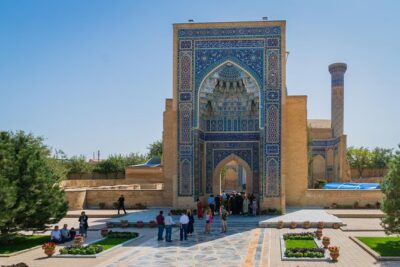
Samarkand One Day Tour – Departure From Tashkent
Read our review →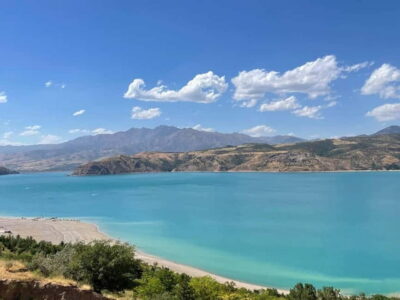
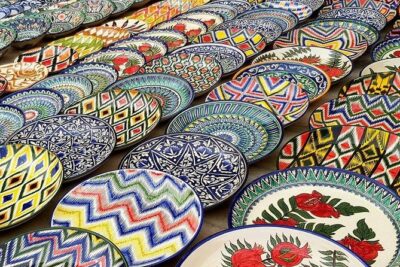
2 Days Tour to Bukhara and Samarkand from Tashkent by train
Read our review →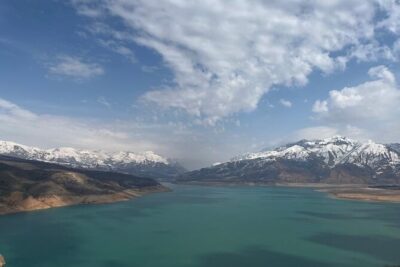
Uzbekistan 6 days private tour Tas-Khiva-Buk-Sam-Tas
Read our review →
Uzbekistan 8 Days Private Tour Tashkent-Urgench-Bukhara-Samarkand-Tashkent
Read our review →Browse the lists this tour appears in