
Reviewed · FOOD & DRINK
Food tour in Tashkent
Tashkent’s best introduction may come on a plate: hot somsa, steamed manti, smoky shashlik, and the city’s famous rice dish, plov. This four-hour food tour links well-known eateries with Chorsu Bazaar, giving you both a meal and a look at how food fits into daily Uzbek life.
I like the clear progression from pastry to dumplings, market snacks, and finally plov at Besh Qozon. I also like the small maximum group of 13 people, plus an air-conditioned vehicle and pickup option. The main catch is value: plov lunch is included, but the other food costs may fall under personal expenses, so check exactly what is covered before booking.
Key points to know before you book
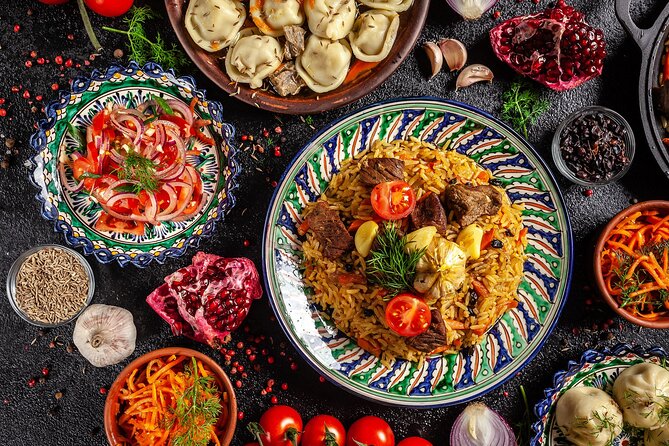
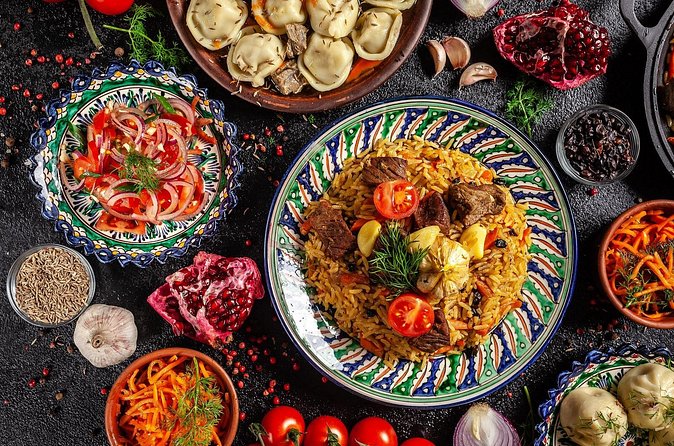
- Four classic Uzbek food stops: Try somsa, manti, market snacks, and plov in one morning.
- Chorsu Bazaar adds local texture: You can sample bread, dried fruit, sweets, spices, and fresh produce while meeting vendors.
- Besh Qozon is the main meal: Lunch at the plov center is specifically included in the price.
- A manageable small group: The tour accepts no more than 13 people, a useful limit in crowded food spots.
- Transport is built in: Pickup is offered, and the tour uses an air-conditioned vehicle with bottled water.
- Budget for possible extras: Personal expenses are not included, and one part of the food cost needs clarification before you commit.
Tashkent food tour at a glance
This tour costs $99 per person and lasts about four hours. It begins at 9:00 a.m., making it a morning activity that finishes around lunchtime, depending on traffic and how long the group spends at each stop.
The plan is compact but varied. You are not simply taken to one restaurant for a large meal. Instead, you move through several parts of Tashkent’s food culture, starting with somsa, then manti, then Chorsu Bazaar, and ending with plov.
That order works well. The early stops introduce smaller, focused dishes. The market gives you a change of pace and a chance to see ingredients in their everyday setting. The final stop is the biggest meal, so you can finish with the dish most closely tied to Uzbek hospitality.
The group limit of 13 matters here. Food tours can become awkward when a large crowd blocks a market stall or crowds around a table. This is not a private tour, but the stated group size should keep it more personal than a large coach outing.
A local guide and driver handle the day. Pickup is offered, and the air-conditioned vehicle is useful in Tashkent, especially when you are moving between food stops rather than walking the entire route. Bottled water is included.
A few more Tashkent trips to weigh up
- Tashkent: Uzbek Culture, Food, Crafts & Pottery Masterclass
★ 5.0 · 24 reviews - Tashkent Vegan Street Food Tour
★ 5.0 · 22 reviews - Tashkent Walking & Food Tour: Highlights + Local Flavors
★ 5.0 · 18 reviews
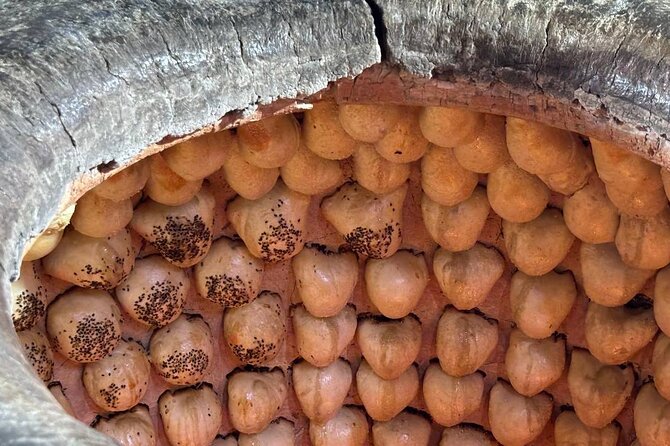
First stop: juicy somsa at Nomdor Somsa Osh Markazi
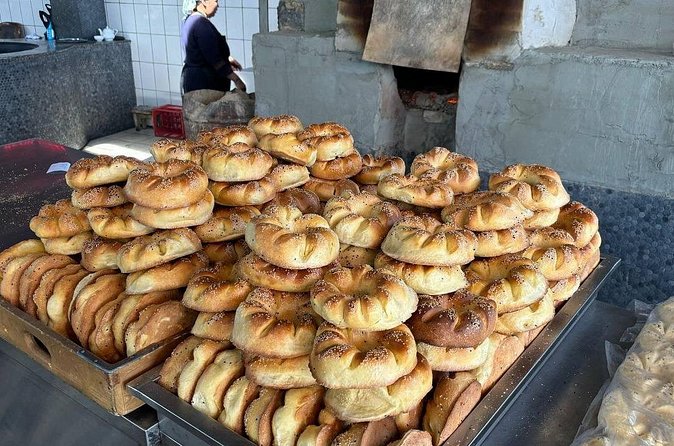
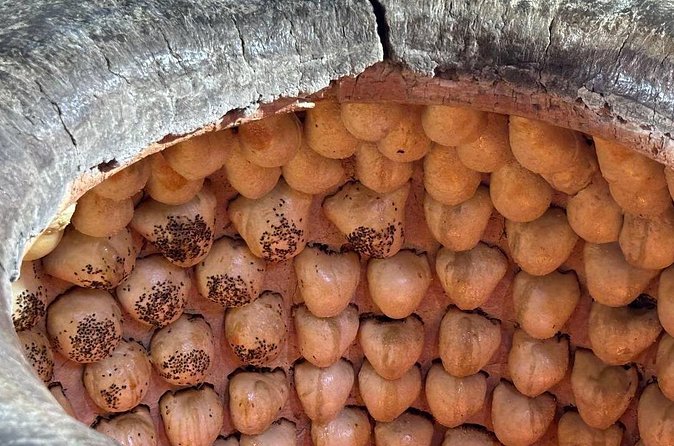
The tour opens with somsa, one of Uzbekistan’s essential savory pastries. At Nomdor Somsa Osh Markazi, you can expect the focus to be on the pastry itself: a baked shell filled with minced meat, onions, and spices.
Somsa is often made with lamb or beef. The filling is meant to be juicy, and the onions help keep the meat moist as it cooks. The pastry gives you a crisp or firm outer layer, followed by a rich, savory center.
This is a smart first stop because somsa works as both a snack and a window into Uzbek cooking. It is filling without being a full lunch, and it shows how basic ingredients can produce a dish with plenty of character.
You have about 40 minutes here, including admission. That is enough time to eat at an unhurried pace and hear the guide explain the dish, though the exact portion size is not stated. If you are saving room for manti and plov, pace yourself.
The main thing to remember is that the tour description clearly includes lunch at the plov center, while personal expenses are not included. It does not clearly say that every somsa tasting is covered. I would ask GOTOUZBEKISTAN whether this stop is part of the $99 price or an extra purchase.
Second stop: Central Asian dumplings at MANDU, Hadra
Next comes manti at MANDU in Hadra. These are large steamed dumplings, commonly filled with minced lamb or beef and onions. Some versions use pumpkin or potato, giving you a different balance of sweetness or softness.
Manti are more substantial than many dumplings you may know. The wrapper matters, but the filling is the main event. On a food tour, this stop gives you a chance to compare the texture and seasoning with the baked somsa from the first stop.
You are scheduled to spend about 40 minutes here. That is long enough for a proper tasting and a short explanation of how the dish is prepared. The guide can also explain how manti fit into Central Asian cooking traditions and family meals.
I like having both somsa and manti early in the route. They use some similar ingredients, but cooking changes the result completely. Somsa is baked and firm, while manti are steamed and tender.
Again, check the payment details. The stated inclusions name the plov lunch, transport, guide, and water. They do not promise that the manti meal or all earlier tastings are included. That distinction can make a noticeable difference to the real cost of the day.
Third stop: Chorsu Bazaar’s edible side
Chorsu Bazaar is the most varied part of the morning. Instead of sitting at a restaurant, you move through a major market filled with fresh produce, spices, traditional snacks, baked bread, dried fruit, and sweets.
This is where the tour becomes more than a restaurant crawl. A market shows you the ingredients behind the food you have just tasted. You might see the onions that give somsa and manti their flavor, spices used in everyday cooking, and produce sold for home kitchens.
Freshly baked bread is a key stop. Uzbek bread is central to meals and is often treated with care, so it makes sense to taste it in a market rather than only seeing it on a restaurant table. Dried fruits and sweets add a different note after the meat-filled dishes.
The guide’s role is especially useful here. Chorsu can be full of color, noise, smells, and people moving in several directions. A guide helps connect what you see to the dishes on the tour and can introduce you to vendors instead of leaving you to guess what each item is.
The schedule allows about 40 minutes. That is enough for a useful introduction, but not enough to inspect every section of a major bazaar. Think of this as a focused market visit, not a complete shopping expedition.
If you want to buy extra snacks or gifts, bring some spending money. Personal expenses are excluded. The tour gives you the setting and introductions, but purchases at the market are your responsibility.
Same Silk Road, a completely different kind of day:
- Best of Tashkent Mountains: Amirsoy, Chimgan & Charvak Trip
★ 4.8 · 567 reviews - Samarkand One Day Tour – Departure From Tashkent
★ 5.0 · 313 reviews - Tashkent City Tour
★ 5.0 · 121 reviews - Amirsoy, Chimgan & Charvak Full-Day Adventure
★ 4.9 · 82 reviews
Final stop: plov at Besh Qozon
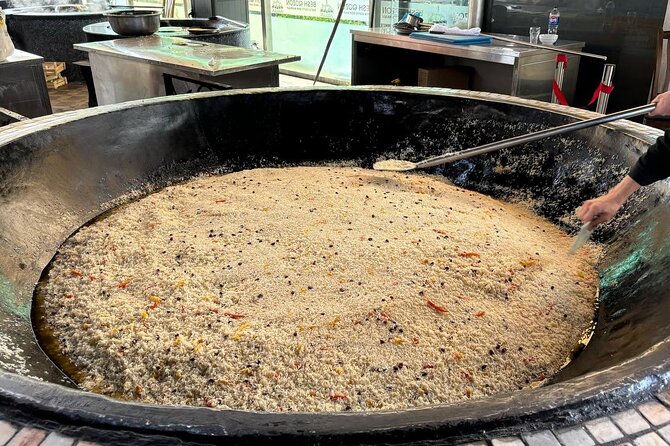
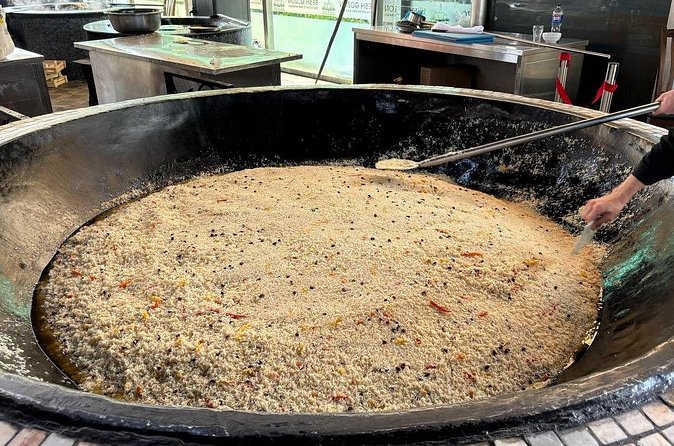
The final stop is Besh Qozon, the plov center, where lunch is included. This is the meal that anchors the tour and the clearest reason to save your appetite.
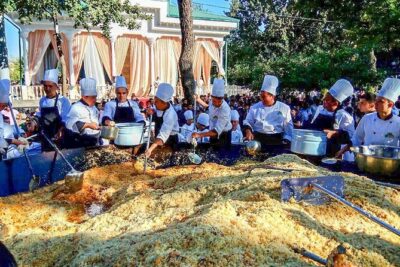
Plov is Uzbekistan’s signature rice dish, usually built around rice, meat, carrots, onions, and cooking oil. The exact preparation can vary, but the dish is designed to feed a group and carry both flavor and ceremony. At a dedicated plov center, the cooking itself is part of the appeal.
The tour description sets aside about 40 minutes here. That gives you time to eat and hear why plov matters in Uzbek food culture. Your guide can explain the ingredients and the way recipes pass through families and generations.
This stop also helps you judge the tour’s value. Since the plov lunch is specifically included, you know that at least the largest meal is covered. If the earlier tastings are also included, the $99 price becomes easier to justify. If you must pay separately for somsa, manti, and market samples, the price is less attractive.
I would treat Besh Qozon as the main meal rather than expecting four full restaurant visits. The tour is built around tasting several foods, not sitting down to four large lunches. That is good news if you want variety, but less appealing if you are looking for an inexpensive way to eat a lot.
What the guide adds to the food
A food tour succeeds or fails partly on explanation. Uzbek dishes are easy to sample without context, but a guide helps you understand why the same ingredients appear in different forms.
At the somsa stop, you can learn about the meat, onion, pastry, and spice blend. At MANDU, the guide can point out the difference between baked somsa and steamed manti. At Chorsu, the ingredients become visible in their market setting. At Besh Qozon, the meal connects everything back to plov.
The guide also brings personal stories about life in Uzbekistan, based on the information supplied for this tour. That can make the morning feel more like a conversation than a series of transactions. The guide and driver have also been described as punctual and accommodating, with pickup handled on time.
No guide names are provided, so you should not book expecting a particular person. The quality of the day will depend partly on who is assigned and on how actively the guide explains the food.
Why the transport and timing matter
The 9:00 a.m. start is practical. Markets and food businesses are best visited while the day is underway, and an early start leaves room for the four stops without pushing lunch too late.
Pickup is offered, which saves you from finding the first restaurant on your own. The exact pickup point is not stated, so confirm the arrangement after booking. The tour is also near public transportation, giving you another option if pickup does not suit your schedule.
The air-conditioned vehicle is a useful comfort rather than a luxury extra. You will move between stops, and a vehicle keeps the route efficient. It also means you can see more of Tashkent than you would on a food walk limited to one neighborhood.
There is a tradeoff. Driving between places gives you a broader view of the capital, but it can reduce the feeling of wandering from stall to stall. If you want a walking tour with long stretches on foot, this is not that. It is a food route connected by vehicle.
Is $99 a fair price?
At $99, this is not a budget food crawl. The price covers the local guide, air-conditioned transport, bottled water, and lunch at the plov center. Pickup and the small group add practical value, especially if you are new to Tashkent.
The price is harder to assess because the wording around the other tastings is not fully clear. Personal expenses are excluded, and only the plov lunch is specifically listed as included. Before booking, ask this direct question: Are the somsa, manti, Chorsu samples, and any drinks included, or should I pay for them separately?
That answer matters more than a small difference in the tour price. If most tastings are covered, you are paying for access, transport, interpretation, and a planned route through several food settings. If you pay at each stop, your total cost may rise quickly.
I would also compare the tour with what you want from your first day in Tashkent. If you value convenience, local guidance, and a broad introduction, $99 may be reasonable. If your main goal is simply to eat inexpensive Uzbek food, you can likely spend less by choosing restaurants yourself, though you would lose the organized route and food explanations.
Who will get the most from this morning?
I would recommend this tour to first-time visitors who want a fast introduction to Uzbek cuisine. It suits you especially well if you are curious about several dishes but do not know which restaurants or markets to choose.
It is also a good fit for people who prefer a planned outing. The guide, driver, pickup option, and fixed four-hour route remove much of the guesswork. You can concentrate on tasting and listening instead of navigating across Tashkent.
The tour should work for most people, since the activity notes say most participants can take part. Still, the food itself may be challenging if you avoid meat, since somsa, manti, and plov commonly feature lamb or beef. The information does not promise vegetarian substitutions, so ask before booking if that matters to you.
The experience may be less suitable for serious food shoppers who want hours at Chorsu Bazaar. The market visit is scheduled for about 40 minutes, so you will get a sample rather than unlimited browsing time.
It also may not suit anyone who needs every tasting included in the advertised price. Clarify that point first. A food tour should not leave you counting extra payments at every stop.
Booking, cancellation, and practical details
You receive confirmation at booking, and the activity uses a mobile ticket. The maximum group size is 13, which is small enough for a more orderly market visit but does not promise a private experience.
The tour is booked on average 33 days ahead, so I would reserve early if your Tashkent dates are fixed. Group discounts are offered, which could improve the price for families or friends traveling together.
Free cancellation is available up to 24 hours before the local start time for a full refund. Changes or cancellations inside that 24-hour window are not accepted for a refund, so keep the 9:00 a.m. start in mind when making plans.
Bring an appetite, comfortable clothes, and some money for personal expenses. Bottled water is supplied, but the food coverage should be confirmed before you pay.
Should you book this Tashkent food tour?
Book it if you want a guided first taste of Tashkent, a visit to Chorsu Bazaar, and the comfort of transport between four food-focused stops. The route covers the dishes most visitors hope to try, and the guide’s stories about Uzbek life add useful context.
I would be more cautious if you are choosing purely on price. The $99 fee is easier to defend when the somsa, manti, and market tastings are included along with plov. If only the final meal is covered, the tour becomes a convenient but expensive introduction.
My practical advice is simple: ask GOTOUZBEKISTAN to confirm every included tasting before booking. If the answer is clear and fits your budget, this is a well-planned way to meet Tashkent through its food, with enough variety to help you decide what to seek out on your own later.
FAQ
How long does the Tashkent food tour last?
The tour lasts about four hours.
What time does the tour start?
The stated start time is 9:00 a.m.
Where does the tour take place?
The tour takes place in Tashkent, Uzbekistan, with stops at Nomdor Somsa Osh Markazi, MANDU in Hadra, Chorsu Bazaar, and Besh Qozon plov center.
Is hotel pickup available?
Pickup is offered, but the supplied information does not specify the exact pickup locations or arrangements. Confirm the details after booking.
What food is included?
Lunch at the plov center is included. Personal expenses are not included, and the supplied information does not clearly confirm whether the somsa, manti, and market tastings are covered.
Is transportation provided?
Yes. An air-conditioned vehicle is included, along with bottled water.
How many people can join the tour?
The maximum group size is 13 people.
Is the tour suitable for most people?
The activity information says most people can participate. It does not provide specific details about dietary substitutions or individual accessibility needs.
Can I cancel for a refund?
Yes. You can cancel at least 24 hours before the local start time for a full refund. Cancellations or changes made less than 24 hours before the start are not accepted for a refund.
Just added around Tashkent
- Private Intercity Transfer Tashkent – Samarkand – Tashkent★ 3.5 · 3 reviews
- Tashkent Mountain Tour Amirsoy with Transport★ 3.5 · 3 reviews
- Tashkent-Samarkand-Bukhara tour-3nights/4 days★ 5.0 · 5 reviews
- Amirsoy & Chimgan mountain tour from Tashkent★ 5.0 · 3 reviews
- Private Tashkent City Tour★ 5.0 · 3 reviews
- Tashkent Food and Metro Journey★ 5.0 · 4 reviews
- Silk Road Secrets Tour in Uzbekistan★ 5.0 · 4 reviews
- Transfer Tashkent Airport / Railway Station – Hotel★ 3.5 · 3 reviews
Food & Drink, compared.
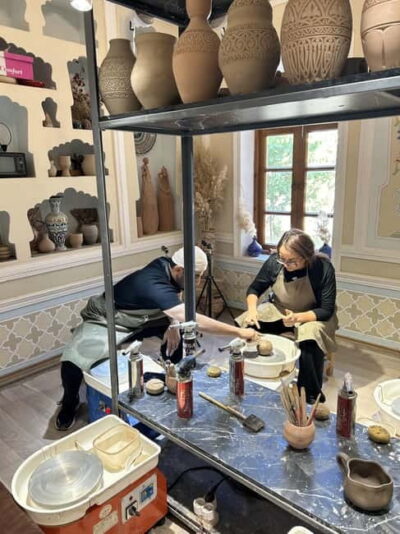
Uzbek Culture, Food, Crafts & Pottery Masterclass
Read our review →
Tashkent Walking & Food Tour: Highlights + Local Flavors
Read our review →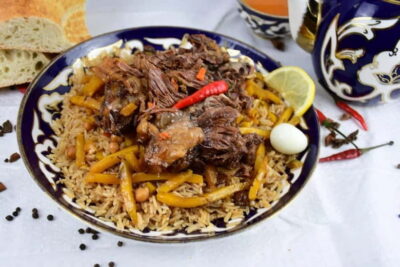
cooking traditional food in Samarkand with local people
Read our review →
Browse the lists this tour appears in