
Reviewed · FOOD & DRINK
With John Private Tashkent city & Food tour
Tashkent becomes much easier to understand when you connect its grand squares and Soviet metro stations with bread ovens, pilaf, spices, and old Uzbek lanes. John’s private tour does exactly that, pairing the city’s main sights with time to eat at Chorsu Bazaar and Besh Qozon Pilaf Center.
I like the flexible private format, since John can make the day longer or shorter and swap stops to match your interests. I also like the practical help, including advice about hotels, souvenirs, traditional clothing, and where to shop without paying the first price offered.
The main consideration is cost control. The $73.53 price covers John, an English-speaking guide, and a private car, but food and several entrance fees are extra. A six to eight-hour day can also feel full, especially if you want to linger over lunch or shop at Chorsu.
Key points at a glance
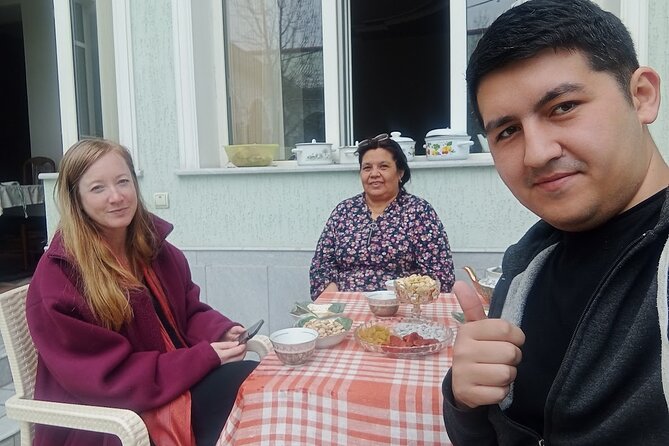
- Bread, pilaf, manti, samsa, and cheese give the day a strong local-food focus.
- John and a private car make it easier to adjust the route and avoid a one-size-fits-all schedule.
- Chorsu Bazaar includes dry fruits, spices, sweets, bread baking, an open food market, and souvenir stalls.
- The Tashkent Metro adds four decorated stations: Amir Temur, Pakhtakor, Alisher Navoi, and Kosmonavtlar.
- Hazrati Imam combines old Uzbek streets, religious buildings, a tea house, and former madrassas now used for souvenir shops.
- Extra costs are modest but real, including metro admission at $1 and the Kuran Museum at $5.
Why this Tashkent day works so well
Many city tours give you a quick look at monuments, then hurry you back to the vehicle. This one gives equal weight to what people eat and buy. That matters in Tashkent, where a market can explain daily life more clearly than a formal monument.
You will spend about six to eight hours with John, using a private car between areas. Pickup is offered, and only your group takes part. That arrangement is useful in a city spread across broad avenues, old neighborhoods, public squares, and metro stations.
John also offers consultation about your wider Uzbekistan plans. You can ask for help choosing a hotel location, finding souvenirs, or buying traditional clothes at a fair price. This is a small but useful extra, particularly if Tashkent is your first stop and you are still working out how to spend the rest of your trip.
The day is not fixed in stone. You can ask John to shorten the route, extend it, or replace a stop with another location. That flexibility is the strongest reason to choose this experience over a large group excursion.
A few more Tashkent trips to weigh up
- Tashkent: Uzbek Culture, Food, Crafts & Pottery Masterclass
★ 5.0 · 24 reviews - Tashkent Vegan Street Food Tour
★ 5.0 · 22 reviews - Tashkent Walking & Food Tour: Highlights + Local Flavors
★ 5.0 · 18 reviews
Hazrati Imam and Tashkent’s old Uzbek quarter
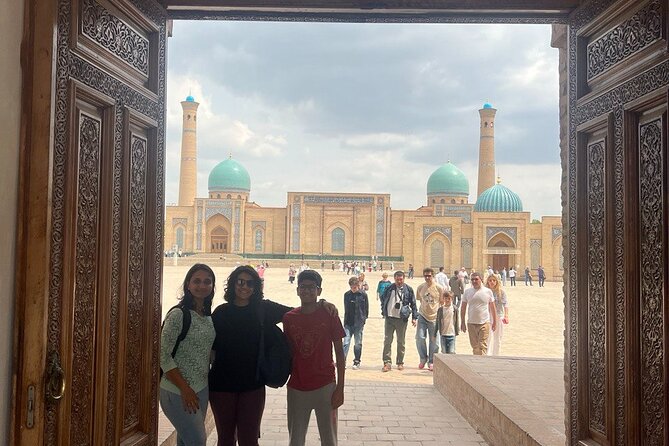
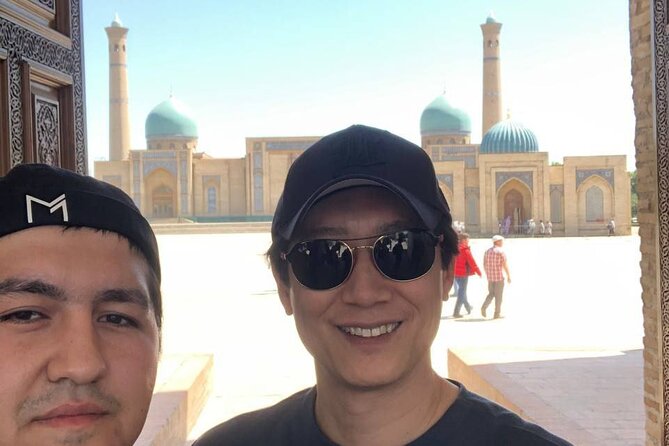
The first major stop is the Hazrati Imam Ensemble, in one of Tashkent’s older Uzbek neighborhoods. Here you trade the city’s broad modern roads for narrow streets, older homes, tea houses, and religious buildings.
The area includes the Kaffal Shashi Mausoleum, Barakhan Madrassah, and Muyi Muborak Madrassah. Barakhan dates to the 16th century and now operates partly as a place for souvenir shopping. That gives the site a practical modern use, but it also means you should not expect every corner to function as a quiet historic monument.
The Kaffal Shashi Mausoleum adds a more devotional element to the visit. Muyi Muborak is connected with the Kuran Museum, for which an entrance fee of $5 per person is listed separately. Ask John what is open and what you will see before paying, since the tour can include the district without requiring you to enter every building.
You get about an hour here. That is enough for an introduction and photographs, but not a slow architectural study of every madrassah. If religious architecture is your main interest, ask John in advance to give Hazrati Imam more time and trim one of the later stops.
The old neighborhood is also a good place to begin because it puts Tashkent’s identity in context. You see a city that is not only Soviet boulevards and modern buildings, but also a place of Islamic schools, tea houses, local streets, and long-running neighborhood traditions.
Chorsu Bazaar, where the food portion begins
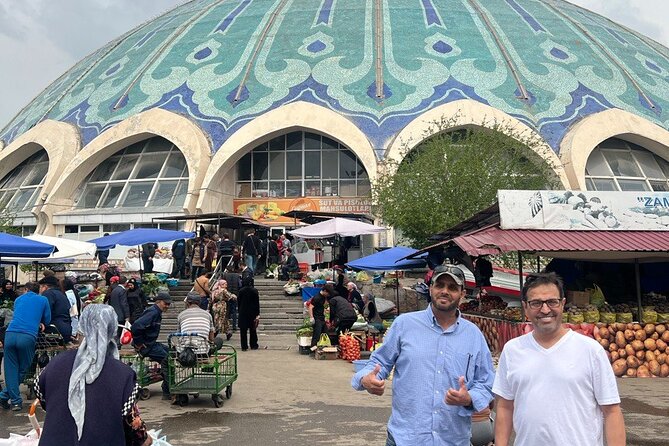
Chorsu Bazaar is the heart of the day’s food experience. Its huge blue dome shelters the dry-fruit and spice market, while other parts of the market include national sweets, bread, an open food bazaar, and souvenir shops.
Give yourself time here. The planned visit lasts about two hours, and you will need it if you want to look carefully rather than simply walk through. The market is not just a backdrop for lunch. It is where you can see how ingredients used in Uzbek cooking are sold, displayed, and chosen.
John lets you choose what you want to taste at the open food bazaar. The core foods covered during the day include pilaf, manti, samsa, bread, and salty cheese. You might also use this stop to ask about unfamiliar ingredients before ordering something you cannot identify.
Bread is a special part of the experience. If you wish, you can bake bread yourself and taste it afterward. That hands-on option gives the market visit more character than a simple food sampling, though it is best understood as an optional activity rather than a guaranteed part for every booking.
Chorsu is also the place to shop. You can look at sweets, spices, dried fruit, souvenirs, and traditional clothing. John’s advice on prices may be helpful here, but remember that shopping time can expand quickly. If you have a flight or train later in the day, tell him you need a firm finish time.
Besh Qozon Pilaf Center and the case for a large lunch
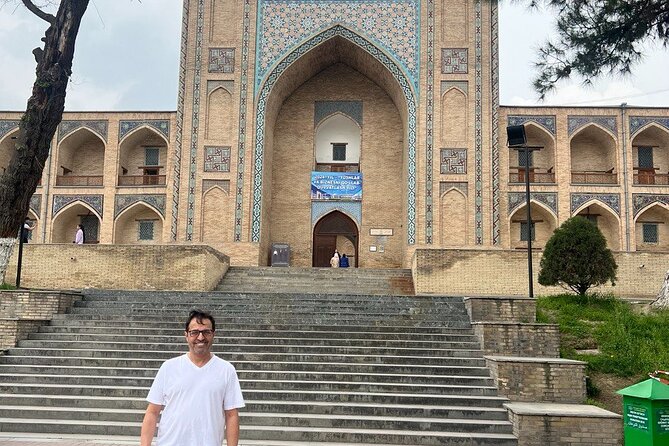
The next food stop is Besh Qozon Pilaf Center, a major name for pilov in Tashkent. The center is known for pilaf prepared for weddings and tea houses, so this is not a tiny tasting plate designed only for a tour group.
You also have the chance to taste horse meat. That will interest adventurous eaters, while anyone with dietary limits should tell John before ordering. Lunch is not included in the tour price, so you pay for what you choose.
Pilaf is one of the dishes that helps explain Uzbek food culture. It is filling, communal, and substantial, with rice at the center and different additions depending on the preparation. Since the day also includes manti, samsa, bread, cheese, and sweets, you may want to pace yourself at Chorsu rather than treat every early sample as a full meal.
The stop is planned for about an hour. That gives you time to eat and see the operation, but your exact pace may depend on the queue and how busy the center is. I would plan this as the main meal of the day and keep the rest of your food choices modest until you know how much food is coming.
Same Silk Road, a completely different kind of day:
- Best of Tashkent Mountains: Amirsoy, Chimgan & Charvak Trip
★ 4.8 · 567 reviews - Samarkand One Day Tour – Departure From Tashkent
★ 5.0 · 313 reviews - Tashkent City Tour
★ 5.0 · 121 reviews - Amirsoy, Chimgan & Charvak Full-Day Adventure
★ 4.9 · 82 reviews
Memorial to the Victims of Repression
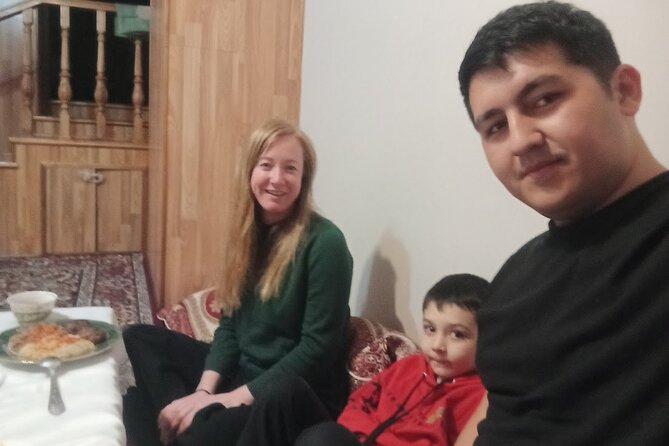
The Memorial to the Victims of Repression shifts the mood. This complex honors Uzbek people who lost their lives in the struggle for freedom of the country. After the color and appetite of Chorsu, the memorial offers a quieter place to consider the difficult side of Uzbekistan’s modern past.
The planned visit lasts about an hour, which allows time to walk through the complex and listen to John’s explanation. The supplied details do not list an entrance fee, so the stop is presented as free.
This is one of the day’s more important balances. You are not only seeing attractive buildings and eating popular dishes. You are also being given room to think about repression, sacrifice, and national memory. If you prefer a trip built only around food and architecture, this stop may feel more serious than expected. For most people, that change of pace improves the day.
The optional high view over Tashkent
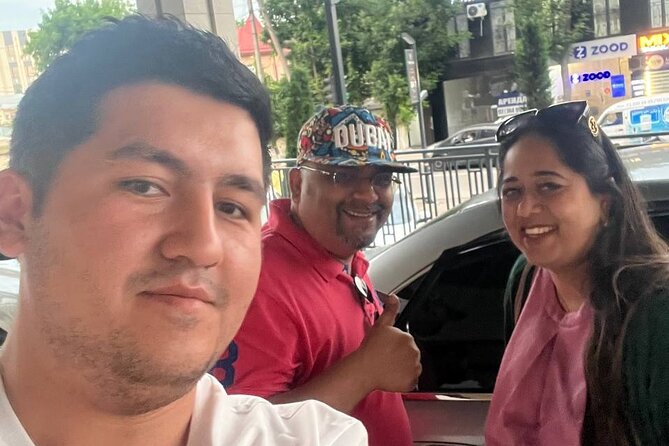
The route also includes a high viewpoint, viewed from outside unless you want to enter. The listed entrance fee is $4 per person, and the viewing level is described as about 100 meters high.
The exact name of this stop is not specified in the tour details, so ask John to confirm which building or tower is planned. That is especially important if the view is a priority for you or if you are deciding whether to budget for the entrance.
Since entry is optional, you can keep the cost down by seeing it from outside. If you enjoy city views, the extra $4 may be worthwhile, since Tashkent’s wide streets and varied districts are easier to grasp from above. It is another place where the private format helps, because you can decide based on your energy and interests.
Amir Temur Square and Broadway
Amir Temur Square brings you back into central Tashkent. Nearby Broadway offers a different sort of city experience, with second-hand Soviet-era items, painters, live music, and amusement attractions.
You get about an hour here. The square itself is the formal public space, while Broadway gives you room to browse and watch everyday city activity. Do not expect a traditional market like Chorsu. This is more of a central promenade with small finds, artists, and entertainment.
The Soviet items can appeal to anyone interested in 20th-century history or unusual souvenirs. Painters and live music add a less formal side to the visit, though what you see may change by day and time. The supplied information does not promise a particular performance or seller, so treat these as possible features rather than fixed events.
This is also a useful shopping stop after the old quarter. At Chorsu, you can focus on food, spices, and traditional goods. Around Broadway, you can look for Soviet objects and artwork. John’s shopping advice may be most useful if you are comparing prices or trying to decide what is genuinely Uzbek rather than simply mass-produced.
Four metro stations with a Soviet-era twist
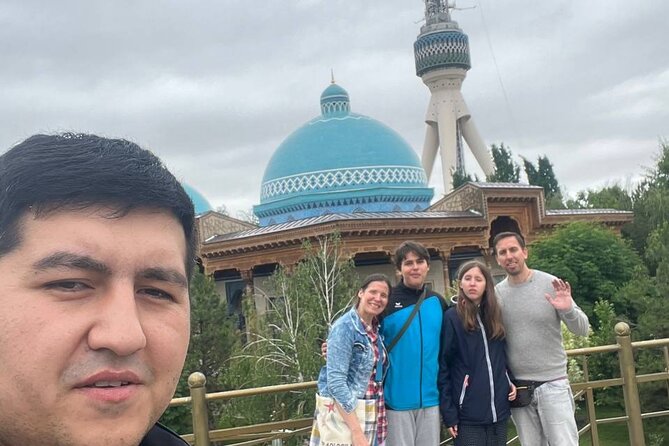
The Tashkent Metro is one of the most memorable parts of the route. John covers Amir Temur, Pakhtakor, Alisher Navoi, and Kosmonavtlar stations.
Each station gives you a different view of the city’s public design. The names alone point to different parts of Uzbek cultural and Soviet-era identity: Amir Temur, the poet Alisher Navoi, and the cosmonaut theme at Kosmonavtlar. The metro ride also breaks up the car sightseeing and lets you experience a transport system used by local residents.
Metro admission is listed separately at $1 per person. That is a small addition, but it should be included in your budget. The tour details do not say how many rides or transfers are needed, so John can explain the route on the day.
I like this section because it shows a side of Tashkent that a car-only tour misses. You are not just looking at the city from the road. You are entering public stations and seeing how decoration, history, and daily transport meet underground.
The Japanese-built theater viewed from outside
The final stop is a theater combining Uzbek and Russian architectural elements. It was built by captured Japanese soldiers during the Second World War, a detail that gives the building a striking and painful historical background.
The visit is exterior only. That keeps the stop short and avoids another entrance fee, but it also means you should not book this tour expecting an interior theater visit. John can explain the building from outside, and you can photograph the facade before the tour ends.
This final stop works best as a short architectural farewell rather than a major attraction. If the theater is particularly important to you, ask whether the route can be adjusted to allow more time, since the whole experience is designed to respond to your interests.
What the $73.53 price really covers
At $73.53 per person, the value depends on your group size. You are paying for an English-speaking guide, a private car, pickup, and a full day that combines sightseeing, transport, food guidance, and local shopping advice.
For one person, the price is less of a bargain than for a couple or small group sharing the private experience. Group discounts are offered, so larger parties should check the final rate. The private car matters in Tashkent because the route covers several separate districts and includes both driving and a metro segment.
You should add money for lunch and tastings, plus the $1 metro fee and the optional $5 Kuran Museum and $4 viewpoint entries. The tour does not include dinner, and the day’s food stops are not a substitute for every meal you may need.
The best value comes if you use John’s flexibility. Ask questions, adjust the order, and make clear if you care most about food, religious buildings, Soviet architecture, shopping, or city views. A fixed route would make the price harder to justify, but personalized planning makes it more useful.
Who should book this private Tashkent tour?
I would choose this experience if you want your first day in Tashkent to cover a lot without losing contact with local food and markets. It suits couples, families, and small groups who prefer a private car and do not want to match the pace of strangers.
It is also a good fit if you are unsure where to eat or shop. John can help you choose food at Chorsu, explain what you are seeing, and offer advice about hotels, souvenirs, and traditional clothes.
Food-focused visitors should be especially happy with the combination of market tasting, bread baking, pilaf, manti, samsa, cheese, and the possible horse meat. People who dislike large meals or have dietary restrictions should communicate that before the day begins.
The main limit is pace. Six to eight hours covers a lot of ground. You will see several religious, historical, commercial, and architectural sites, but some visits are brief and some are outside only. If you want museum interiors, long shopping sessions, or detailed time at every monument, ask John to customize the schedule before departure.
The tour has a 4.9 rating from 13 reviews, with 100 percent recommending it. The strongest praise focuses on John’s professional approach, private pickup, and ability to show the real Tashkent rather than only the obvious sights. That matches the design of the day: it is personal, practical, and built around food as much as monuments.
Should you book it?
Book this tour if you want a flexible introduction to Tashkent with food at its center. John’s private car, English guidance, market help, and willingness to adjust the route make it a strong choice for a first visit.
Skip it if you want a slow, specialist tour of mosque interiors, museums, or theater architecture. Several entries cost extra, the food bill is separate, and the packed route means you will sample many parts of the city rather than study one area in depth.
For most first-time visitors, the mix is the point. You get old lanes, religious sites, a blue-domed bazaar, serious pilaf, metro stations, Soviet-era objects, and a view over the city, all in one day.
FAQ
How long does the private Tashkent tour last?
The experience lasts approximately six to eight hours.
Is hotel pickup available?
Yes. Pickup is offered, and the tour includes a private car with an English-speaking guide.
Is this a private tour?
Yes. Only your group participates in the activity.
Is lunch included in the price?
No. Lunch, dinner, and food purchases are not included.
Which foods are included in the experience?
The food portion covers pilaf, manti, samsa, bread, and salty cheese. You can choose food at the open bazaar, and horse meat is available to taste at Besh Qozon Pilaf Center.
Can I bake bread during the tour?
Yes. Bread baking is available if you wish to take part, and you can taste the bread afterward.
What extra entrance fees should I expect?
The Kuran Museum is listed at $5 per person, Tashkent Metro admission at $1 per person, and the optional high viewpoint at $4 per person. The tour price does not include these fees.
Just added around Tashkent
- Private Intercity Transfer Tashkent – Samarkand – Tashkent★ 3.5 · 3 reviews
- Tashkent Mountain Tour Amirsoy with Transport★ 3.5 · 3 reviews
- Tashkent-Samarkand-Bukhara tour-3nights/4 days★ 5.0 · 5 reviews
- Amirsoy & Chimgan mountain tour from Tashkent★ 5.0 · 3 reviews
- Private Tashkent City Tour★ 5.0 · 3 reviews
- Tashkent Food and Metro Journey★ 5.0 · 4 reviews
- Silk Road Secrets Tour in Uzbekistan★ 5.0 · 4 reviews
- Transfer Tashkent Airport / Railway Station – Hotel★ 3.5 · 3 reviews
Food & Drink, compared.
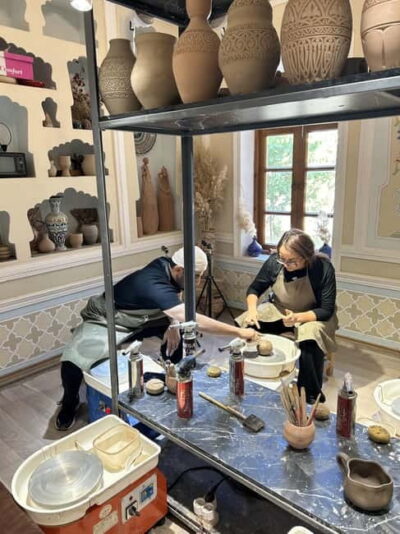
Uzbek Culture, Food, Crafts & Pottery Masterclass
Read our review →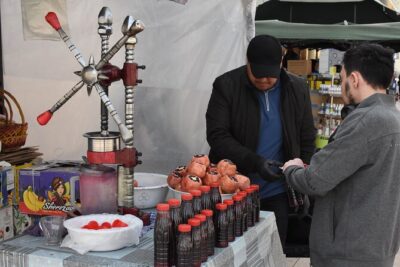
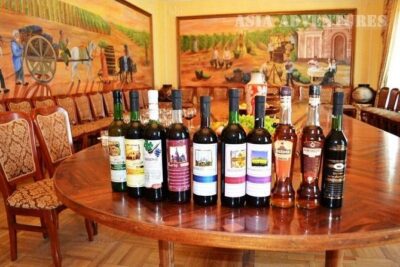
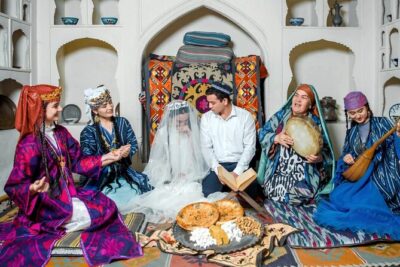
Tashkent Walking & Food Tour: Highlights + Local Flavors
Read our review →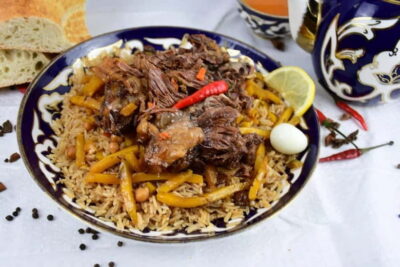
cooking traditional food in Samarkand with local people
Read our review →
Browse the lists this tour appears in