
Reviewed · FOOD & DRINK
Tashkent: Uzbek Culture, Food, Crafts & Pottery Masterclass
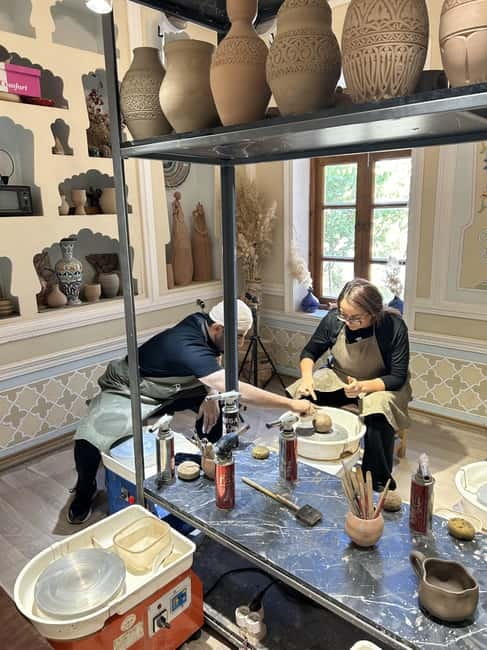
A pottery wheel, a lump of clay, and a master artisan make this Tashkent outing more than a sightseeing stop. You’ll visit local craft displays, hear how the Silk Road shaped Uzbek textiles and ceramics, then make your own piece. I especially like the hands-on pottery class and the chance to shop with Yusuf’s help when bargaining. The traditional plov meal is another strong point.
The main catch is that your pot is not ready to take home that day. It must dry and be fired, usually taking up to a week and sometimes around two weeks, with shipping available for an extra fee. The workshop also involves sitting and working with your hands, so it is not a good fit if you have back problems.
At a glance
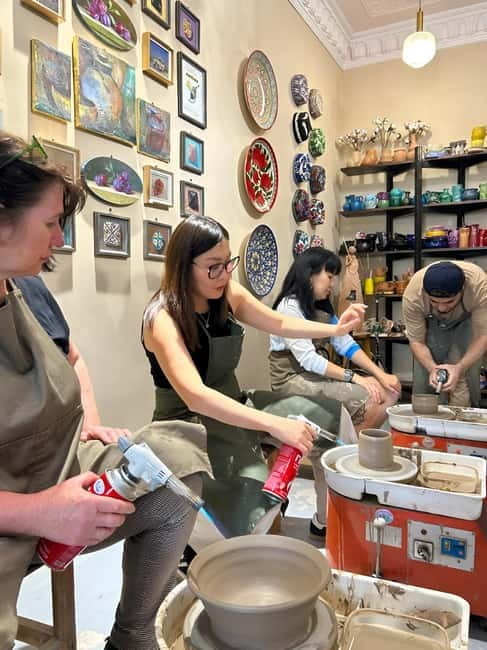
- Shape and decorate your own pot: Master artisans guide beginners without taking away your creative control.
- Learn the Silk Road’s craft legacy: Textiles, silk production, ceramics, dolls, embroidery, and tribal craft traditions all enter the conversation.
- Shop with local bargaining help: Your guide can help negotiate prices for souvenirs.
- Eat a proper Uzbek meal: Expect non bread, salads, palov, green tea, and water.
- Travel in a private group: Pickup in Tashkent and transport to the workshop are included.
- Bring patience for your pottery: Collection takes time, and international shipping costs extra.
Why this Tashkent craft tour feels different
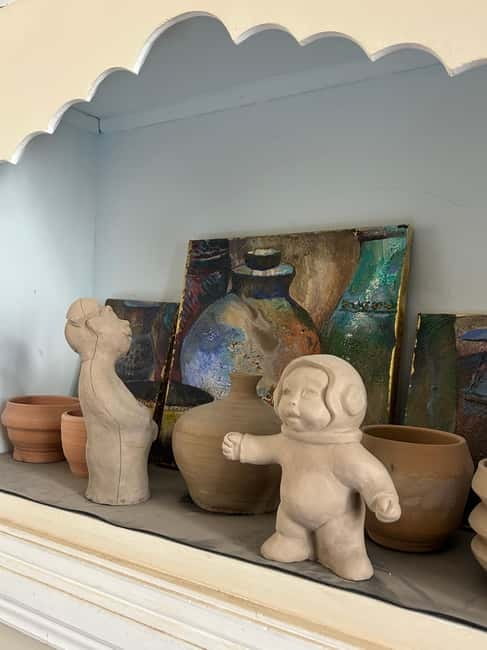
Many city tours keep you moving from monument to monument. This one slows down and lets you handle the material that Uzbek artisans have worked with for centuries. You begin with culture and history, but the afternoon becomes personal once your hands are covered in clay.
The strongest feature is the mix of explanation and participation. Guides such as Yusuf and Julia talk about Uzbek customs, beliefs, family life, and craft traditions in a relaxed way. Several guests described Yusuf as warm and easy to talk with, while Julia is especially good at explaining modern life and her own experience of joining an Uzbek family.
That personal touch matters. You are not simply told that Uzbekistan sits at an old Silk Road crossroads. You learn how trade encouraged ceramics, silk, textiles, embroidery, and decorative work, then see those traditions through actual objects and demonstrations.
I also like the small practical bonus: help with bargaining. If you are uncomfortable negotiating at craft stalls, your guide can step in and help you seek a fair price. That is useful in Uzbekistan, where shopping can be part of the fun but the back-and-forth can feel unfamiliar at first.
The $85 price is reasonable for a private 3.5-hour outing that includes transport to the workshop, a guide, materials, the pottery lesson, and lunch. It is not the cheapest way to eat or visit a craft shop, but you are paying for access, instruction, and a private cultural host rather than a simple meal and transfer.
A few more Tashkent trips to weigh up
- Tashkent Vegan Street Food Tour
★ 5.0 · 22 reviews - Tashkent Walking & Food Tour: Highlights + Local Flavors
★ 5.0 · 18 reviews - With John Private Tashkent city & Food tour
★ 5.0 · 13 reviews
From Tashkent pickup to the artisan quarter
The day begins with pickup in Tashkent. Transport to the workshop is included, which removes one of the less pleasant tasks of finding a craft area on your own. Return transport to your hotel is not included, though it can be arranged for an additional fee.
The first part lasts about an hour. Rather than giving you a broad lecture on Uzbekistan, the guide uses crafts as a way into everyday culture. You may hear about:
- The role of the Silk Road in moving goods and ideas
- Traditional textiles and silk production
- Suzani embroidery and its long decorative tradition
- Handmade dolls dressed in regional clothing
- Differences between tribal and regional crafts
- Local superstitions and household customs
- Wedding traditions
- Ceramics and pottery
This is a useful introduction if you are new to Uzbekistan. Craft objects often explain social life better than a list of dates. A suzani, for example, is not just a colorful textile. Its patterns and use can open a discussion about homes, marriage, decoration, and family traditions.
The craft visits also give you a chance to browse before the pottery class. You might find textiles, ceramics, dolls, and other handmade pieces. The shopping portion is optional in spirit, but the bargaining support is a genuine advantage if you want souvenirs without handling the negotiations alone.
Keep your expectations sensible. This is not a full museum tour or a long historical walk through Tashkent. It is a focused look at craft and culture, with the guide filling in the human details. If you want architecture and major city sights, pair it with a separate Tashkent city tour.
The pottery class, from clay to decoration
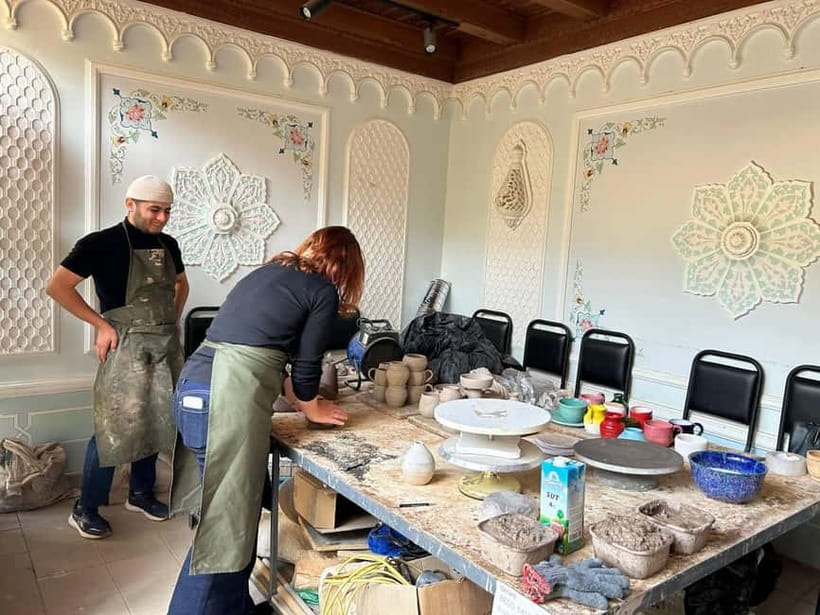
The workshop lasts about an hour to an hour and a half and is the heart of the afternoon. You begin with an introduction to Uzbek pottery and the basic steps involved in turning clay into a finished object.
The process includes clay preparation, choosing the kind of piece you want to make, wheel throwing or molding, initial drying, shaving and smoothing, and decoration. The exact shape depends on your skill and the guidance of the artisan, but beginners are welcome.
This is not a demonstration where the master potter makes everything while you watch. You get to work on the clay yourself. That distinction is important. The finished piece may be uneven, and that is part of its charm. Your guide and the artisan can correct your technique, but the experience gives you room to make creative choices.
Several details make the class especially appealing:
- You can choose the type of piece you want to attempt.
- The artisan helps without simply taking over.
- You learn the stages between soft clay and fired pottery.
- You have time to smooth and decorate the surface.
- You create a physical reminder of your time in Uzbekistan.
Do not expect your first pot to look like the artisan’s work. The master potter’s finished pieces are the standard to admire, not the standard you must meet. The value is in learning how difficult the craft is and seeing how much control comes from years of practice.
The class is also a good break from sightseeing. After a few days of mosques, markets, and monuments, working at a wheel gives your afternoon a different rhythm. It is quiet, tactile, and a little messy. Wear comfortable shoes and clothing you do not mind getting dusty.
Your pottery needs to dry before it can go into the kiln. The stated timing ranges from up to a week to around two weeks, depending on the piece and firing process. You can collect it later if you are still in the area. If not, international shipping can be arranged for an additional charge. Confirm the shipping fee and delivery details before you commit, since pottery is not part of the included price.
Uzbek lunch with plov and green tea
The meal follows the cultural tour and workshop. It takes about 45 minutes to an hour and is served at a local restaurant. The food is not an afterthought. It completes the craft lesson by bringing you to another central part of Uzbek daily life.
The included meal features:
- Fresh non, the round Uzbek bread often served with meals
- Shakarob, a tomato and herb salad
- Kuzchi Kayfiyat Salad
- Traditional palov with rice, lamb, carrots, and raisins
- Unlimited green tea and water
Palov is the main event. The combination of rice, lamb, carrots, and raisins gives you a good introduction to one of Uzbekistan’s best-known dishes. Additional sides are available for an extra cost.
The meal also creates space for conversation. Guides have used this time to answer questions about family customs, modern life, local traditions, and places to visit during the rest of a Tashkent stay. That informal exchange is one reason the outing works well early in a trip. You can leave with ideas for what to see and eat next.
One practical point: lunch and dinner are both mentioned as possible meal times, so check the starting slot when booking. The menu remains the same in principle, but the meal may fit differently into your day depending on the departure time.
Same Silk Road, a completely different kind of day:
- Best of Tashkent Mountains: Amirsoy, Chimgan & Charvak Trip
★ 4.8 · 567 reviews - Samarkand One Day Tour – Departure From Tashkent
★ 5.0 · 313 reviews - Tashkent City Tour
★ 5.0 · 121 reviews - Amirsoy, Chimgan & Charvak Full-Day Adventure
★ 4.9 · 82 reviews
The guides make the cultural detail approachable
Yusuf is the guide most often named in the feedback, and Julia frequently joins or leads the cultural portion. Sandor has also guided groups. The names matter because the quality of this outing depends heavily on the person explaining the traditions.
Yusuf is described as friendly, funny, and well prepared on Uzbek history and culture. Julia brings a personal perspective on living within Uzbek family life and adapting to local customs. Together, they can make the outing feel more like time with a local friend than a formal lecture.
That does not mean the tour is without structure. It has a clear sequence: pickup, cultural exploration, workshop, and meal. The advantage is that the guides have room to answer questions rather than rushing you from one scheduled photo stop to another.
The available languages are English, Russian, Polish, and Uzbek. If you want a particular language or guide, confirm availability before booking rather than assuming every departure includes the same combination.
Shopping, bargaining, and what to buy
The craft portion is not only for looking. You can shop with help from the guide, who can assist with bargaining and help you seek a better price. This is valuable for first-time visitors who want to buy ceramics or textiles but are unsure how hard to negotiate.
You may encounter handmade dolls showing regional dress, textiles, ceramics, and other traditional craftwork. Suzani embroidery is another likely point of discussion and shopping interest. Ask what an item is used for, where it was made, and whether it is practical to pack or ship.
The guide’s help is most useful as a cultural bridge, not just a way to save money. Bargaining is part of shopping in many places, but the right tone matters. A local guide can help you understand when a price is flexible and when it is better to accept the asking amount.
Set a souvenir budget before you go. The $85 tour price does not include purchases, and attractive handmade objects can quickly turn a planned craft visit into an expensive one.
Who should book this experience
I would recommend this outing to first-time visitors who want an introduction to Uzbekistan beyond major sights. It suits couples, families with older children, solo visitors, and small private groups who like making things and asking questions.
It is especially useful if you have only a short stay in Tashkent. In three and a half hours, you cover craft traditions, shopping, a workshop, and a substantial local meal. You get both context and activity without giving up an entire day.
You should think twice if you want a museum-heavy tour, a long architectural walk, or a fast-paced city overview. This outing centers on crafts and conversation. It also may not work for wheelchair users or people with back problems, and the pottery process can involve sitting in one position for a while.
The private group format is a plus. You can ask questions about customs, wedding practices, superstitions, or food without competing with a large bus group. It also lets the guide adjust the pace of the pottery class to the people in your party.
Price, timing, and practical details
At $85 per person, the outing offers solid value if you plan to use all its parts. Transport to the workshop, a live guide, pottery materials, expert instruction, and lunch are included. The private format makes the price easier to justify for couples or small groups who prefer personal attention.
The tour lasts 3.5 hours, but allow extra time if you arrange hotel drop-off or spend time shopping. Pickup is in Tashkent. Check available starting times because the activity can be arranged around a lunch or dinner schedule.
Cancellation is free up to 24 hours before the activity for a full refund. You can also reserve and pay later, which helps if your Tashkent plans are still shifting.
Bring comfortable shoes and a camera. Alcohol and drugs are not allowed. Ask about pottery collection or shipping before leaving the workshop, especially if you fly out of Uzbekistan soon after the class.
Should you book the Tashkent pottery masterclass?
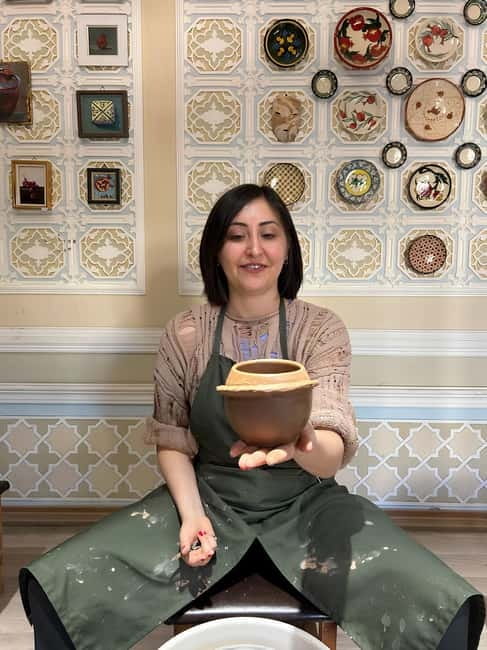
Book it if you want to meet local guides, learn how Uzbek customs connect with craft, and make something with your own hands. The pottery lesson is the clear highlight, while the plov meal and bargaining help add useful local color.
I would place this near the start of a Tashkent visit. Yusuf, Julia, or another guide can give you cultural context and practical suggestions for the rest of your trip. Just remember that your pot will not be ready immediately, shipping costs extra, and the workshop is not suitable for wheelchair users or people with back problems.
For an $85 private outing, this is a strong choice for curious, hands-on visitors. It is less useful for someone who only wants famous sights, but for a personal introduction to Uzbek crafts, food, and hospitality, it earns its place in your Tashkent plans.
FAQ
How long does the Tashkent pottery experience last?
The activity lasts 3.5 hours, including the cultural exploration, pottery workshop, and traditional meal.
Where does pickup take place?
Pickup is in Tashkent. Transportation to the workshop location is included.
Is hotel drop-off included?
No. Return transportation to your hotel is not included, but it can be arranged for an additional fee.
What food is included?
The meal includes non bread, Shakarob, Kuzchi Kayfiyat Salad, traditional palov with lamb, rice, carrots, and raisins, plus unlimited green tea and water.
Can I take my pottery home the same day?
No. The pottery must dry and be fired in a kiln. This can take up to a week and may take around two weeks before the piece is ready.
Can my pottery be shipped internationally?
Yes. International shipping is available for an additional fee.
Which languages are available?
The live guides can provide the activity in English, Russian, Polish, or Uzbek.
Is this a private tour?
Yes. The experience is offered for a private group.
Is the activity suitable for wheelchair users or people with back problems?
No. The activity is not suitable for wheelchair users or people with back problems.
Just added around Tashkent
- Private Intercity Transfer Tashkent – Samarkand – Tashkent★ 3.5 · 3 reviews
- Tashkent Mountain Tour Amirsoy with Transport★ 3.5 · 3 reviews
- Tashkent-Samarkand-Bukhara tour-3nights/4 days★ 5.0 · 5 reviews
- Amirsoy & Chimgan mountain tour from Tashkent★ 5.0 · 3 reviews
- Private Tashkent City Tour★ 5.0 · 3 reviews
- Tashkent Food and Metro Journey★ 5.0 · 4 reviews
- Tashkent City Tour with Hotel Pickup and Drop off★ 4.5 · 4 reviews
- Silk Road Secrets Tour in Uzbekistan★ 5.0 · 4 reviews
Food & Drink, compared.

Tashkent Walking & Food Tour: Highlights + Local Flavors
Read our review →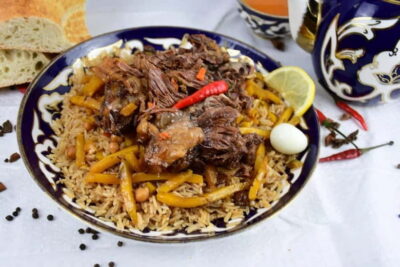
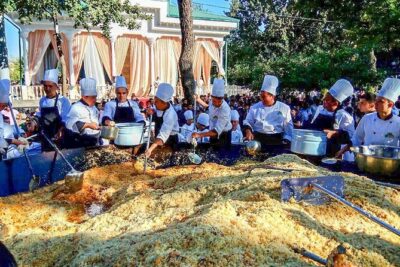
cooking traditional food in Samarkand with local people
Read our review →
Browse the lists this tour appears in