
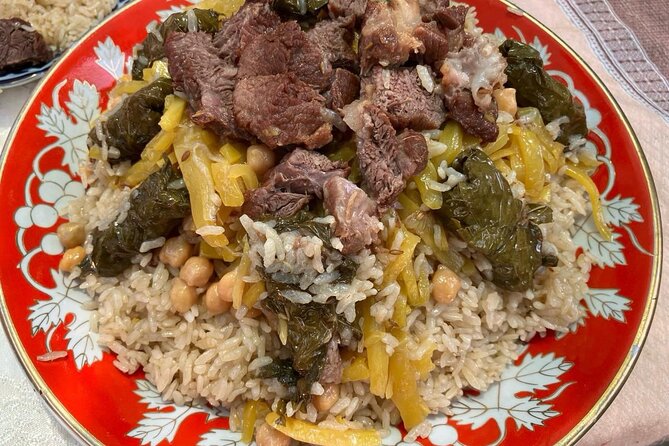
Reviewed · UZBEK PLOV COOKING CLASSES
Cooking Class in the Village with Local Family in Samarkand
The best part of this Samarkand outing is the move from market stall to family kitchen. You shop for ingredients, then use them in a village home while learning how dishes such as plov, manti, and dolma fit into everyday Uzbek life. It feels more personal than a standard restaurant meal.
I like the flexible start time and hotel pickup, which make this easy to fit around Samarkand sightseeing. I also like the private format: your group spends the day with the host family rather than sharing a large cooking school. The main consideration is that cooking is described as a calm, unhurried activity, so anyone expecting constant hands-on work may find the pace gentle.
Key points to know before booking
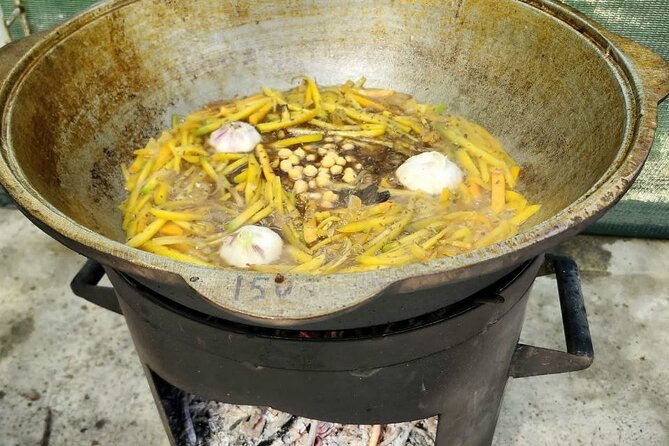
- Market first, kitchen second: Begin at a local bazaar, where you can see ingredients, meet vendors, and help choose food for the meal.
- A real family setting: The cooking takes place in a village home, with time for conversation, family customs, chess, and daily-life stories.
- Several Uzbek dishes may be prepared: Depending on the arrangement, you might work with plov, shashlik, samsa, manti, or dolma.
- More than a cooking lesson: The outing can include the Konigil paper factory, an oil meal production site, and a pottery workshop.
- Private and flexible: Your group participates alone, hotel pickup is offered, and the start time can be arranged.
- Good value for a half-day: At $65 per person, the price covers roughly five hours of transport, food-related activities, cultural contact, and additional craft stops.
From Samarkand hotel pickup to the local bazaar
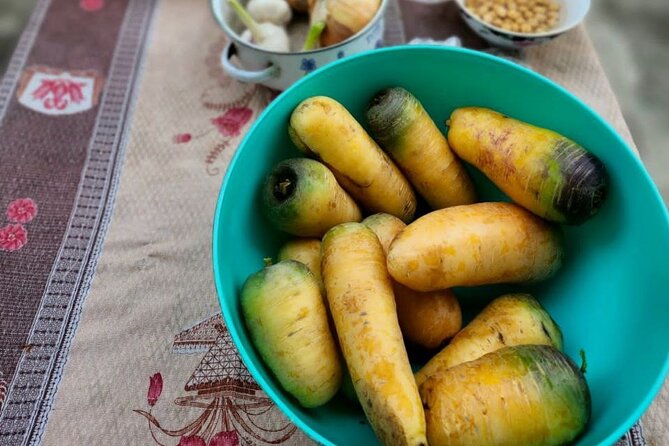
The day begins with pickup from your hotel. That simple detail matters in Samarkand, where a private vehicle saves you from sorting out transport before breakfast or finding your way to an unfamiliar meeting point.
The starting time is flexible, with the operating window listed from 9:00 a.m. to 10:00 p.m. You should confirm the exact pickup time when booking, since the market and family schedule will shape the day. The total outing lasts about five hours, so it fits neatly into a morning or afternoon without taking over your whole day.
Your first stop is a local bazaar. This is not just a quick ingredient run. It gives you a look at the food culture behind the cooking class: produce, spices, meat, rice, and other staples are seen in the place where local families actually shop.
I like this order. If you went straight to a kitchen, you would learn a recipe. By starting at the market, you get a better sense of how the meal begins, how ingredients are selected, and how food connects with ordinary life in Samarkand.
You can expect time to walk among the stalls, talk with vendors, and try unfamiliar products. The exact ingredients depend on the menu and your preferences. Vegetarian requests have been accommodated, so tell the host clearly in advance if you do not eat meat or have other dietary needs.
The bazaar may be lively and crowded at times, and market visits are active rather than polished. That is part of the appeal, but it also means you should be ready for a sensory experience with many sights, smells, and conversations happening at once.
More Uzbek Plov Cooking Classes in Samarkand
- Samarkand: Village Tour with Plov Cooking Class & Home Visit
★ 5.0 · 29 reviews - Samarkand: Uzbek Cooking Class in a Village Home
★ 5.0 · 22 reviews - Cooking class in Samarkand with local life experience
★ 5.0 · 19 reviews
Entering a village kitchen near Samarkand
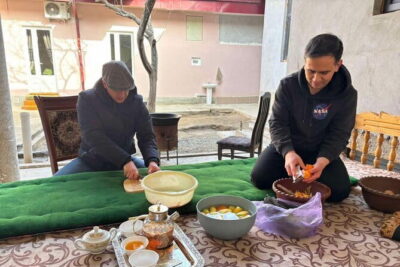
After the market, you drive to a village and join a local family at home. This is the heart of the experience. You are not simply watching a chef prepare food behind a counter. You are spending time in a household, sharing a meal and seeing how hospitality works in a more personal setting.
Hosts named Goli, Gulrux, Navro’z, and Narboz appear in the experience’s hosting accounts, so the specific person you meet may vary. Gulrux is described as an especially clear teacher of plov, explaining the steps carefully and speaking very good English. Navro’z and the family hosts have also handled market shopping and vegetarian meals.
The home setting is important. Uzbek cooking often takes time, and the family approach gives the food room to develop. You may help prepare ingredients, learn how the dishes are assembled, and sit with the family while the meal comes together.
The pace is one point to understand before you book. This is described as a slow cooking experience, not a fast class where you rush through three recipes in an hour. That slower rhythm gives you time to talk, ask questions, and notice how cooking fits into family life. It also means you may not perform every task yourself.
One useful tip is to speak up if you want more hands-on work. A past participant wished for more involvement with tasks such as rolling dough and collecting firewood. That does not make the outing poor value, but it tells you to ask the host at the start which jobs you can handle yourself.
Learning the dishes of Samarkand
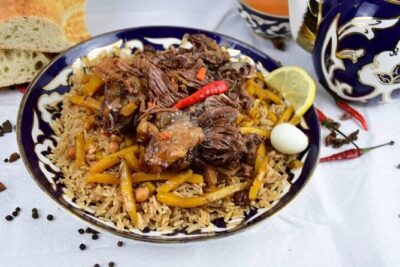
The main food associated with the class is plov, Uzbekistan’s famous rice dish. It is not a throw-together meal. The method has several stages, and the order of cooking matters. A good lesson shows you how the ingredients are prepared and how the dish reaches its final texture and flavor.
If Gulrux is your host, you may receive a step-by-step explanation of plov. That is useful if you want to recreate the meal at home, since you are learning a process rather than only eating the finished dish.
The menu can also include other Uzbek specialties:
- Shashlik: Grilled meat, usually prepared in pieces and cooked over heat.
- Samsa: Savory pastries with a filled center.
- Manti: Dumplings that require careful filling and shaping.
- Dolma: Stuffed vegetables or leaves, prepared according to the family’s method.
The precise menu is not fixed in the information provided, so do not book expecting every dish listed above. Ask what your host plans to prepare, especially if you have limited time, dietary restrictions, or a particular dish you want to learn.
The food is only half the lesson. You also gain a better sense of why Uzbek meals matter socially. Cooking, eating, talking, and welcoming visitors are closely tied together here. Sharing the finished food with the family gives the class a natural ending rather than leaving you with a recipe and a quick goodbye.
Family conversation, customs, and a possible chess match
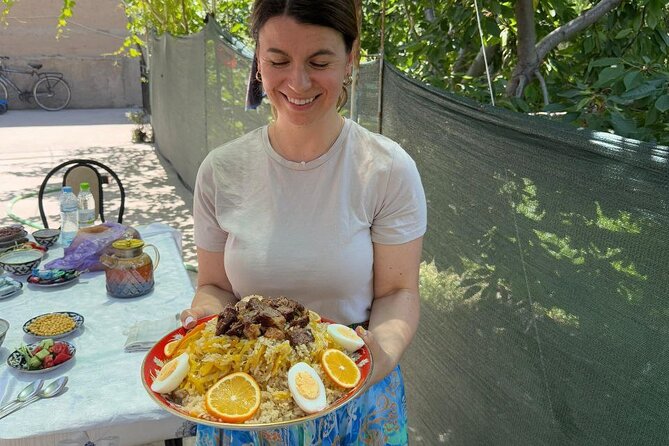
The family interaction is a major reason to choose this outing over a standard food tour. You may talk about daily routines, customs, and traditions, and there may be time for a game of chess. These small moments can tell you more about home life than a formal city tour.
I especially like that the experience leaves room for conversation. The family is not presented only as cooks performing for an audience. You are invited into a social setting, where stories and laughter are part of the meal.
English ability can vary by host, but Gulrux is specifically described as speaking very good English. If clear language support is important to you, ask who will lead your group and what language will be used.
This format works best if you are comfortable with a little uncertainty. A private family visit will not have the strict timing or identical script of a cooking school. Your day may feel more relaxed and personal, but the amount of hands-on work and the flow of conversation can depend on the host and the family’s routine.
Same Silk Road, a completely different kind of day:
- Samarkand: Historical Monuments Guided Walking Tour
★ 4.8 · 446 reviews - Private Samarkand City Tour With Transportation
★ 5.0 · 149 reviews - A City Tour Of Samarkand: The Pearl Of The East
★ 5.0 · 133 reviews - Full Day Private Tour in Seven Lakes from Samarkand
★ 5.0 · 94 reviews
Konigil paper, oil meal, and pottery after lunch
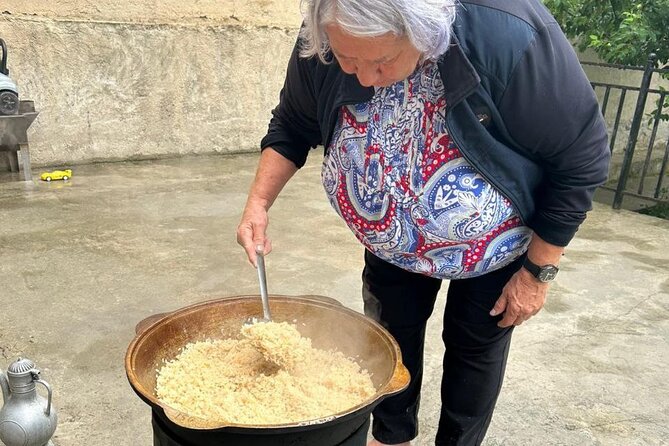
The experience also lists visits to the Konigil paper factory, an oil meal site, and a pottery workshop. These stops widen the day beyond food and show other forms of local production.
The Konigil paper factory is a particularly useful addition because paper making has a long connection with Samarkand. Here, you can see a traditional craft setting rather than spending the entire day at the table.
The oil meal stop offers another look at production connected with local food and agriculture. The supplied information does not give a detailed description of the process, so you should treat it as a short cultural visit rather than expecting a full technical tour.
The pottery workshop adds a hands-on craft angle, though the exact participation offered is not specified. Ask the host whether you will watch the work or make something yourself. This is a good example of why a flexible private tour can be useful: you can state your interests and request more time at the stops that appeal to you.
Keep your expectations sensible. Five hours must cover hotel pickup, the bazaar, the drive to the village, cooking, the family visit, and up to three production stops. The food and family time are clearly the central parts. The paper, oil, and pottery visits are best viewed as added context, not as separate full-length excursions.
Is $65 a fair price for five hours?
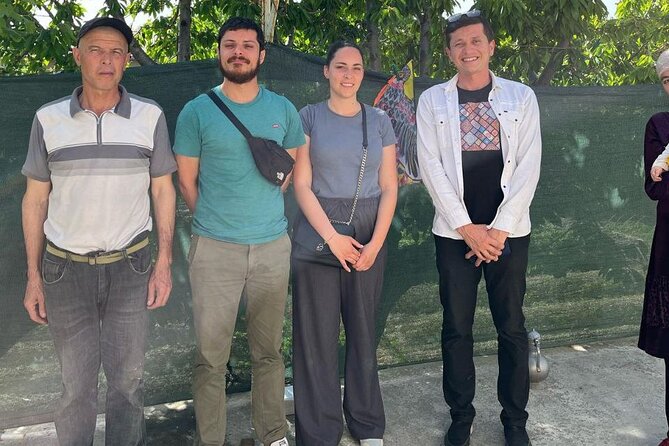
At $65 per person, this is not the cheapest way to eat in Samarkand. It is also not simply a restaurant meal. You are paying for roughly five hours, hotel pickup, private transportation during the outing, market time, instruction, food, a family visit, and additional local stops.
For a private group, that package can be good value. The private format lets you ask questions, adjust the pace, and explain dietary needs without a large class slowing the conversation. If you are traveling with family or friends, the cost also buys a shared memory that is more personal than a group food demonstration.
The value is strongest for you if you care about contact with local people. The price is less compelling if you mainly want a polished cooking lesson with a fixed recipe, lots of individual work, and a formal kitchen.
I would also compare the price with the number of people in your group. The listed cost is per person, and the activity is private, so the experience makes more financial sense when shared by several people. Solo visitors may still find the personal access worthwhile, but should think about how much they value that setting.
Who will enjoy this Samarkand cooking day?
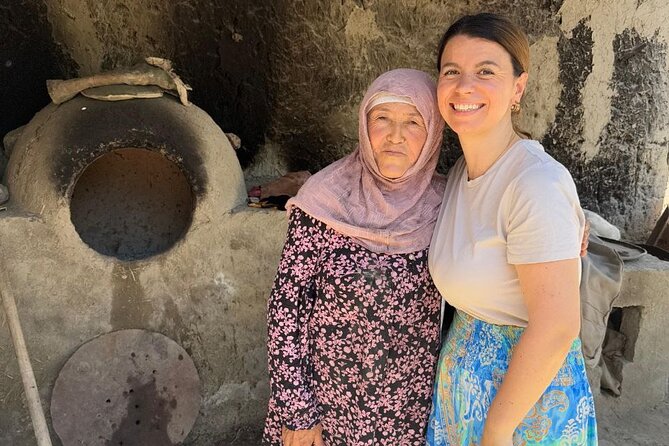
I would recommend this experience to visitors who want food to open a door into Uzbek home life. It suits curious eaters, couples, families, and small groups who prefer conversation and a relaxed pace to a tightly timed sightseeing circuit.
It is also a good fit for anyone who wants more than central Samarkand’s major monuments. The village drive, market visit, family home, and craft stops provide a different side of the region.
Vegetarians should feel comfortable asking for a suitable menu. The hosts have accommodated vegetarian requests, and one market visit was arranged around vegetarian preferences. Still, you should state your needs before the day rather than waiting until shopping begins.
This may be less suitable if you want every minute scheduled or expect to cook every dish yourself. The experience can be slow, and the exact level of participation may change. If rolling dough, preparing every ingredient, or taking part in practical household tasks matters to you, make that request clearly at the beginning.
The activity is also open to service animals and is near public transportation, though hotel pickup is offered. Since it is a private activity, only your group participates.
Practical details that matter
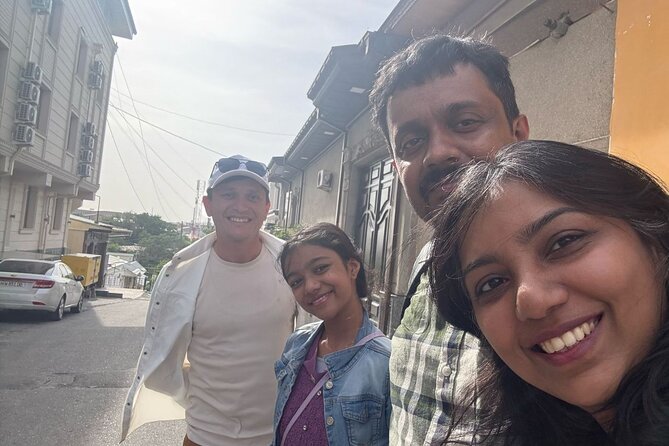
Confirmation is received at booking, and the experience operates daily during the listed period from August 2, 2025, through November 25, 2026. The stated hours are 9:00 a.m. to 10:00 p.m., but the start time is flexible, so confirm your chosen time with Navruz.
Wear clothing suitable for sitting, walking through a market, and cooking in a family home. The supplied details do not specify kitchen equipment, dress rules, or the amount of outdoor work, so ask if you have mobility or clothing concerns.
The activity has a 4.8 rating from 11 reviews, with 100 percent recommending it. That small sample points to a consistently warm reception, especially for the hospitality, food, family contact, and smooth pickup arrangements. I would still focus on the format itself: this is a private, home-based cultural visit with a gentle pace, not a professional culinary school.
Cancellation is generous if your plans change. You can receive a full refund by canceling at least 24 hours before the local start time. Cancellations or changes made within 24 hours are not refunded or accepted.
Should you book the village cooking class?
Book it if you want to meet a Samarkand family, shop for ingredients at a local bazaar, and learn Uzbek food in the setting where it belongs. The strongest reasons are the private format, flexible timing, hotel pickup, and the chance to talk about ordinary life while eating food prepared together.
I would book with one request in mind: ask exactly which dishes you will prepare and how much hands-on work you will receive. If you want to roll dough, shape manti or samsa, or help with more household tasks, say so early.
Skip it if your priority is a fast, highly structured cooking lesson with guaranteed participation in every step. For everyone else, especially people who value family hospitality over a checklist of sights, this is a thoughtful way to spend five hours outside the usual Samarkand route.
FAQ
How long does the cooking experience last?
The experience lasts approximately five hours in total.
Is hotel pickup offered?
Yes. Pickup from your hotel is offered before the market and village visit.
Is the starting time fixed?
No. The starting time is flexible, but you should confirm the exact time when arranging the booking.
Is this a private tour?
Yes. Only your group participates in the activity.
Which Uzbek dishes might I prepare?
Possible dishes include plov, shashlik, samsa, manti, and dolma. The exact menu may vary, so ask the host what is planned.
Can vegetarian food be arranged?
Yes. Vegetarian requests have been accommodated, but you should explain your dietary needs in advance.
What is the cancellation policy?
You can cancel at least 24 hours before the local start time for a full refund. Cancellations or changes made less than 24 hours before the start time are not accepted and are not refunded.
More Cooking Classes in Samarkand
- cooking traditional food in Samarkand with local people
★ 4.8 · 17 reviews - Private Samarkand Cooking Class with Market Tour & Transfers
★ 5.0 · 14 reviews - Plov Cooking Class at Local Uzbek House
★ 5.0 · 5 reviews - Plov and Samsa Cooking Class in Tashkent
★ 4.3 · 6 reviews
More Uzbek Local Family Dinners in Samarkand
- Samarkand Local Family Cooking Class and Siyob Bazaar Tour
★ 5.0 · 5 reviews - Samarkand: Cooking class with local family
★ 5.0 · 3 reviews
Just added around Samarkand
- Samarkand Capital of Amir Timur Private Tour with Transport★ 5.0 · 3 reviews
- The Golden City of Samarkand: A Self-Guided Audio Tour★ 4.0 · 4 reviews
- Seven Lakes Panjakent: One-Day Adventure from Samarkand★ 5.0 · 3 reviews
- Shakhrisabz Private Day Tour from Samarkand★ 5.0 · 4 reviews
- Ancient and Modern tour in Samarkand with Transport★ 5.0 · 3 reviews
- Explore Samarkand Guided Tour with Transfers★ 5.0 · 3 reviews
- Samarkand Local Family Cooking Class and Siyob Bazaar Tour★ 5.0 · 5 reviews
- Penjikent Day Trip From Samarkand★ 5.0 · 3 reviews
Uzbek Plov Cooking Classes, compared.
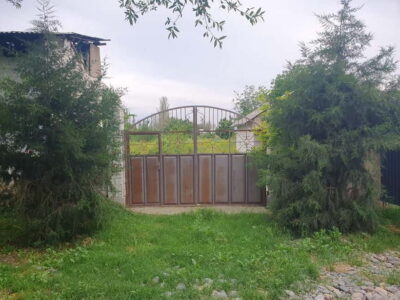
Village Tour with Plov Cooking Class & Home Visit
Read our review →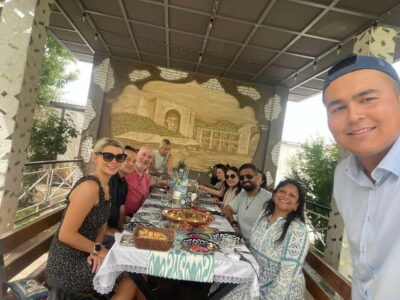
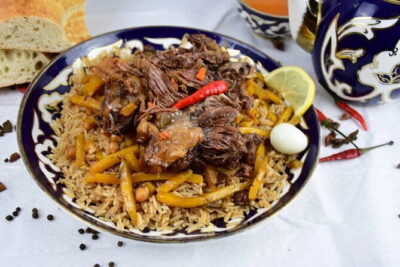
Cooking class in Samarkand with local life experience
Read our review →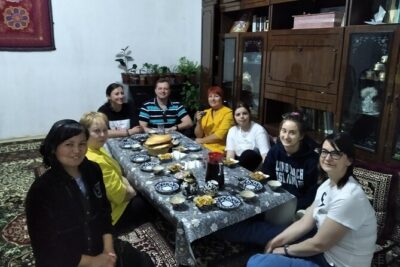
Private Samarkand Cooking Class with Market Tour & Transfers
Read our review →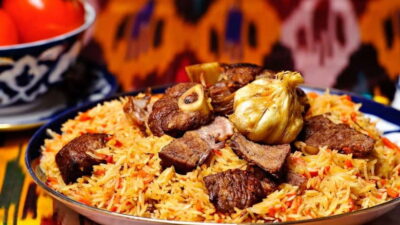
Samarkand Local Family Cooking Class and Siyob Bazaar Tour
Read our review →
Browse the lists this tour appears in