
Reviewed · WALKING TOURS
Bukhara Walking Tour
Bukhara’s best sights sit close enough to connect on foot, and this private 5 to 6-hour walk follows that historic core from the shady Lyab-i-Hauz pool to the Samanid Mausoleum. You’ll see Islamic schools, old trading domes, a medieval minaret, the emir’s fortress, and one of Central Asia’s earliest mausoleums.
I like two things here. First, the route gives you the big picture without wasting time on transport. Second, it includes unusual stops, especially the puppet theater collection and the ancient Magoki Attori Mosque. Guides such as Peri and Nilufar are praised for patient explanations, strong English, and flexible pacing.
The main catch is cost control. The $28 price covers the guide and taxes, but entrance tickets, lunch, and personal expenses are extra. Some sights may therefore add a noticeable amount to the final bill, and five to six hours of walking can feel long in hot weather.
Key points to know before you book
- A private route through Bukhara’s old center: Only your group takes part, so you can ask questions and request a slower pace.
- Ten major stops in one day: The route covers Lyab-i-Hauz, the trading domes, Poi Kalyan, the Ark, Bolo Hauz, and three important mausoleums or historic religious sites.
- Two especially unusual visits: The Central Asian puppet theater collection and Magoki Attori Mosque add more than the usual monument checklist.
- Guides praised for patience and language skills: Peri and Nilufar are named in the feedback, with English, Spanish, French, German, and Russian available.
- $28 is a guide price, not the full sightseeing cost: Monument admission and lunch are not included.
- The route ends at the Samanid Mausoleum: You begin at Lyab-i-Hauz and finish in the southern part of the historic area.
Why this walking route works in Bukhara
Bukhara is unusually well suited to a walking tour. Its central monuments are packed into a compact old quarter, and the best way to understand the city is to move between them at street level. You see how religious schools, market domes, courtyards, water pools, and royal buildings fit together.
This tour also gives you a clear east to west and north to south sweep through the city. It starts in the social heart of Bukhara, passes the old commercial center, pauses at the Poi Kalyan complex, then heads toward the Ark and the mausoleums beyond it.
I like that the route does not stop at the postcard sights. You get the famous Kalyan Minaret, but also a small museum about puppet theater. You see grand madrasas, but also the Magoki Attori Mosque, a building tied to pre-Islamic religious life and early Islam in the city.
The private format matters. You are not attached to a large group, and the guide can spend more time on a detail that catches your interest. The available languages are English, Spanish, French, German, and Russian. Peri and Nilufar are specifically praised for clear explanations, patience, and flexibility.
A few more Bukhara trips to weigh up
- All You Need To Know About Bukhara. A Walk In The Town
★ 4.9 · 31 reviews - Bukhara Historical City Highlights Guided Walking Tour
★ 4.5 · 16 reviews - Bukhara: Private Guided Walking Tour with Hotel Pickup
★ 5.0 · 11 reviews
Lyab-i-Hauz: Bukhara’s social square
The tour begins at the Lyab-i-Hauz ensemble, one of the most atmospheric places in central Bukhara. The name refers to the pool at the center, and the surrounding buildings frame what was once a major gathering place for the city.
You’ll look at the Kukeldash Madrasah, the Nadir Divanbegi Madrasah, and the khanaka, a lodging and meeting place associated with dervishes. This is a useful first stop because your guide can explain the different roles these buildings played. A madrasah was a place of religious study, while a khanaka served religious communities and visiting dervishes.
Allow about an hour here. Admission to the monuments is not included, so ask your guide which interiors are open and which tickets make sense for your interests. The pool area is especially animated in the evening, but this tour starts here rather than saving the square for after dark.
Puppet theater and a rare local collection
A short stop at the history of Bukhara’s puppet theater breaks up the sequence of religious monuments. It is described as the only place in Uzbekistan where you can learn about Central Asian puppets and puppet theater.
You may also see a two-minute performance from the master himself. If luck is on your side, puppets may be available to view or purchase, though the details of what is available can vary.
This is a small stop, about 20 minutes, but I consider it one of the route’s smartest choices. Monument-heavy tours can blur together after a few hours. A puppet collection gives you a glimpse of popular culture and performance traditions that stone buildings alone cannot provide.
Admission is not included. The stop may also depend on what is open at the time of your visit, so treat it as a worthwhile possibility rather than the main reason to book the tour.
Magoki Attori Mosque and the carpet museum
The Magoki Attori Mosque is one of Bukhara’s most layered sites. It is presented as the first mosque not only in Bukhara but in Uzbekistan, and the location had a religious and commercial role before Islam, when pagans sold idols there.
That background makes the stop more useful than a quick look at an old facade. Your guide can help you see how one site changed meaning over time. Bukhara was not built in a single historical phase, and Magoki Attori makes that clear.
The stop includes a carpet museum. Plan on about 15 minutes, though the time inside can depend on what you want to examine. Since tickets are extra, confirm the admission arrangement before entering.
Same Silk Road, a completely different kind of day:
- Best of Bukhara: All Day Private Old Town Tour
★ 5.0 · 66 reviews - Best of Bukhara: All Day Private Old Town Tour
★ 4.9 · 62 reviews - City Tour Around Bukhara
★ 5.0 · 55 reviews - Bukhara Full Day Old City Private Tour
★ 5.0 · 46 reviews
Ulughbek and Abdulaziz-Khan Madrasas
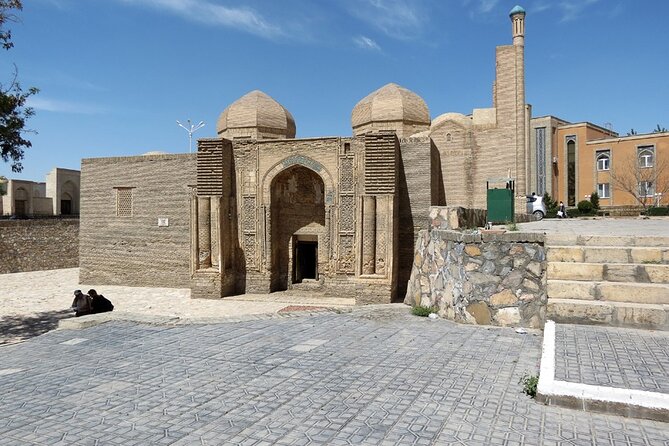
The Ulughbek Madrasah is described as the oldest madrasa in Bukhara and the only monument in the city from the Timurid period. That makes it an important contrast to later buildings on the route.
Ulughbek was a ruler and patron of learning, and the madrasa links Bukhara to the wider Timurid world. Your guide can explain why its age and design matter without requiring you to remember a long list of dates.
The stop lasts about 15 minutes. That is enough for an introduction and exterior details, but not a leisurely architectural study.
Next comes the Abdulaziz-Khan Madrasah, called the most magnificent madrasa in Bukhara in the tour description. It is also identified as the first local monument to use yellow in its decoration. Look for the difference in color and ornament between the two schools.
These two madrasas work best as a pair. One is valued for its Timurid age, the other for its decoration and visual ambition. Together, they show that Bukhara’s religious architecture was not all alike.
The trading domes and Bukhara’s market streets
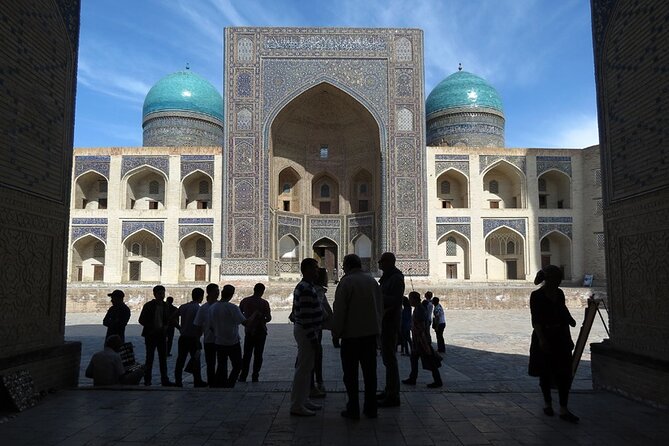
The route includes Bukhara’s three trading domes. These covered market structures once helped organize trade in the old city, offering shade and shelter for merchants and shoppers.
The supplied schedule places the trading domes in the general route description, although they are not listed as a separate numbered stop with a set duration. Expect to pass through or pause at them between the religious monuments.
This is where a guide adds real value. Without context, the domes can look like attractive shopping passages. With an explanation, you can understand how Bukhara’s commercial life was organized and why these structures mattered to the city’s position on Central Asian trade routes.
A traditional men’s bathhouse from the 16th century is also noted along the route, though the visit is for reception only. Do not expect a full bathing experience. It is a brief look at another part of old urban life.
Poi Kalyan: the tour’s grandest architectural pause
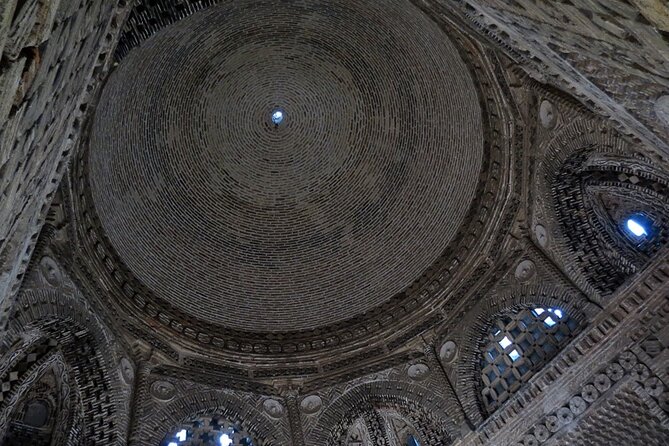
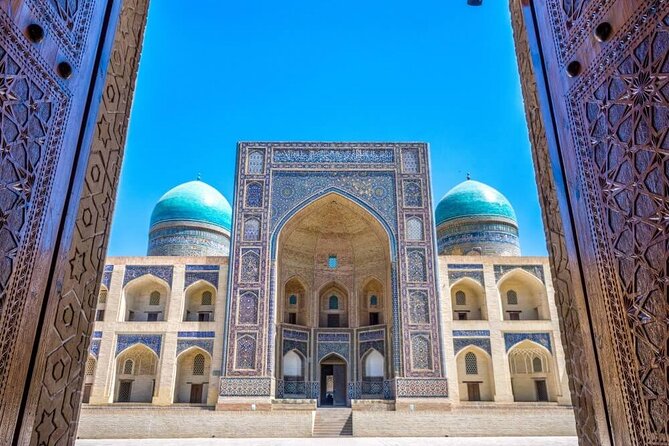
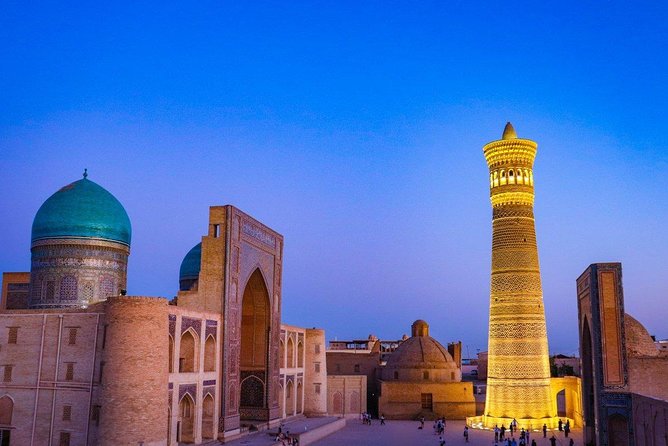
The Poi Kalyan complex receives about an hour, and rightly so. It brings together the Kalyan Minaret, Kalyan Mosque, and Miri Arab Madrasah.
The Kalyan Minaret is one of Bukhara’s pre-Mongol monuments and the highest minaret in the city. It is the vertical marker that helps you orient yourself in the old center. The tower’s survival gives the square an especially strong sense of age.
The Kalyan Mosque is described as the largest medieval mosque in the city. Its scale gives you a break from the more enclosed madrasa courtyards, and the open space helps explain its public role.
Miri Arab Madrasah remains a functioning madrasa for males. That point matters: this is not simply a museum setting. The building is connected to religious education today, so access and viewing arrangements may be limited.
Poi Kalyan is likely to be the most memorable stop for first-time visitors. It is also one of the places where admission rules matter, since entrance fees are separate from the tour price. Ask your guide what you can enter and what is best appreciated from the outside.
Entering the Ark, Bukhara’s city within a city
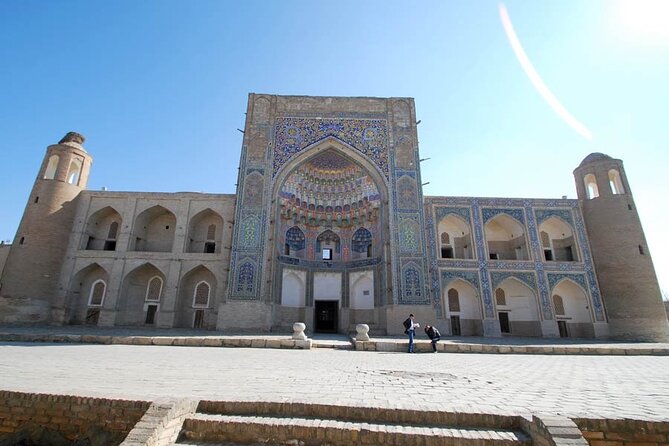
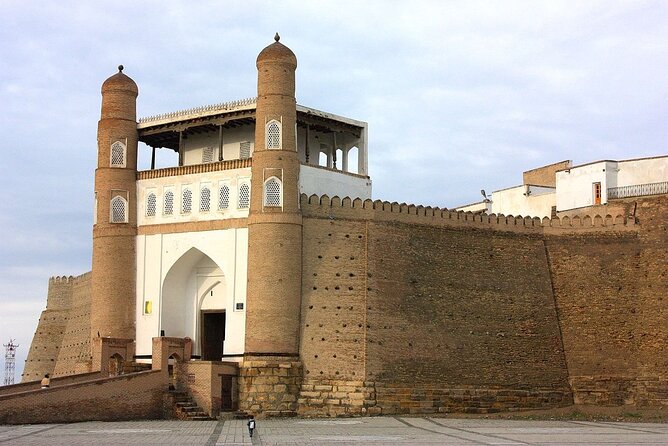
The Ark takes about 40 minutes. It was the winter residence of the Bukhara emirs and is described as a city within the city.
That phrase helps you picture the scale and purpose of the fortress. The Ark was not merely a defensive wall or a royal home. It contained the functions needed to support the emir’s court and administration.
A 40-minute stop is enough for the guide to explain the fortress and point out its main areas, but it may not allow a detailed visit to every interior. Entrance tickets are extra, and you should check what is included in the available admission.
I like placing the Ark after Poi Kalyan. The sequence shifts from religious and commercial Bukhara to political Bukhara. You see how power was organized after learning how worship and trade shaped the city.
Bolo Hauz and the reflection of forty columns
Bolo Hauz Mosque is a smaller, more focused stop of about 20 minutes. It has the tallest columns in the city and is also called Chilustun, or forty columns.
The building itself has 20 columns, but the reflection in the reservoir creates the impression of 40. That simple visual trick is exactly the sort of detail that is easy to miss on your own and easy to remember once pointed out.
This stop also brings you back to the importance of water in Bukhara. The hauz, or reservoir, was not just decorative. It helped define the public spaces around important buildings.
Because the visit is short, you may mainly see the mosque and its setting rather than spend a long time inside. It is a good place to pause, take in the proportions, and let the guide explain how the name relates to the reflection.
Chashmai Ayub and the city’s water story
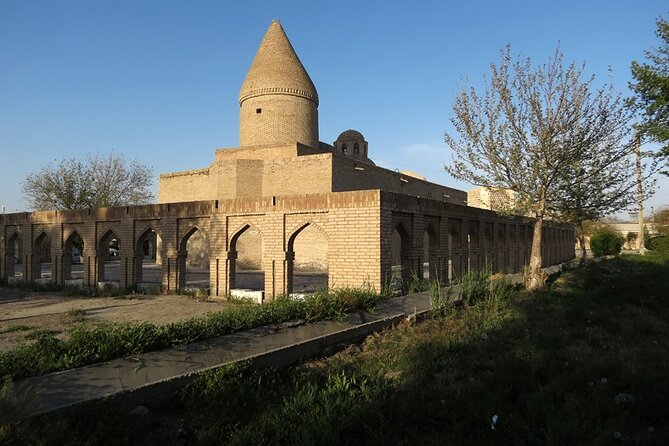
Chashmai Ayub Mausoleum takes about 20 minutes. It serves as both a mausoleum and Bukhara’s water supply museum.
The name refers to Ayub, or Job, identified here as Saint Jehovah. The building therefore connects religious tradition with the practical problem of providing water to an old city.
The museum function gives the stop a clear purpose. You are not only looking at a tomb or a historic shell. You are also learning how water shaped daily life in Bukhara.
As with the other monuments, admission is not included. If you are trying to keep extra costs low, ask which sites offer the best interior experience before buying every available ticket.
Samanid Mausoleum: a fitting final stop
The tour ends at the Ismail Samani Mausoleum, with about 30 minutes set aside. This is described as the first mausoleum in Central Asia and the second in the Islamic world.
It is also the mausoleum of the founder of Central Asia’s first local empire. Those claims make the building a key stop, not a decorative afterthought at the end of the walk.
Ending here gives the route a strong historical finish. You have seen the city’s religious schools, markets, fortress, mosque, and water system. The mausoleum then brings the focus back to early regional power and funerary architecture.
The end point is the Samanid Mausoleum, not the place where you started. That is useful if you want to continue sightseeing from there, but you should plan your onward route because no vehicle is included.
What $28 really covers
At $28, this is a low-cost way to hire a private guide for most of a day. The price includes a professional guide and all fees and taxes connected with the tour service.
It does not include monument admission, lunch, an air-conditioned vehicle, or personal expenses. Since the route is a walking tour, the lack of a vehicle is not a serious weakness. In fact, a car would add little inside Bukhara’s compact historic center.
The real question is how many interiors you want to visit. If you are happy seeing several buildings from outside and paying only for the sites that matter most, the price is attractive. If you want to enter every monument, the total cost will rise.
The private format also improves the value for a small group. You are not paying for a large coach service or losing time to hotel pickups. Group discounts are noted, though the exact discount is not specified, so confirm the final price when booking.
Timing, pace, and practical planning
The listed stops add up to roughly five hours, with the full experience described as lasting five to six hours. That leaves some room for walking between sites, questions, and small delays.
Wear comfortable shoes. Even though the monuments are close together, the route is long enough that poor footwear will become a problem. Bring water, especially if you visit during warm weather, though no drinks are included in the tour price.
The tour starts at the Divan-Beghi area of the Lyab-i-Hauz ensemble. It ends at the Samanid Mausoleum. Confirmation is provided at booking, and most people can participate according to the supplied tour information.
Free cancellation is available if you cancel at least 24 hours before the local start time. Within 24 hours, refunds are not provided, and late changes are not accepted.
Who will get the most from this tour
I would choose this walk if you have limited time in Bukhara and want one organized route through the main old-city sights. The schedule is broad, and you get a useful mix of famous monuments and less expected stops.
It suits anyone who wants historical explanation rather than a simple list of names. The private format is especially helpful if you enjoy asking questions or need the guide to adjust the pace.
It may not suit you if you prefer a slow, unstructured day with long meals and extended time at each building. Ten stops in five to six hours creates a full schedule. It is also less suitable if you want all admissions and lunch folded into one price.
The named guides, Peri and Nilufar, receive praise for patience, energy, flexibility, and excellent English. Those details matter because this route depends on explanation. A quiet walk past old walls would not deliver the same value.
Should you book the Bukhara Walking Tour?
Book it if you want to cover Bukhara’s central sights efficiently and prefer a private guide over a large group. The route is broad, the price is reasonable, and the puppet theater, Magoki Attori Mosque, and water museum add character beyond the standard highlights.
Before booking, decide how many monument interiors you want to enter and set aside extra money for those tickets. If you do that, the $28 price is a fair starting point for a carefully planned half-day of Bukhara’s major landmarks.
FAQ
Where does the Bukhara Walking Tour start?
The tour starts at the Lyab-i-Hauz ensemble, near Divan-Beghi in Bukhara, Uzbekistan.
Where does the tour end?
The tour ends at the Ismail Samani Mausoleum.
How long does the walking tour last?
The experience lasts approximately five to six hours.
Is this a private tour?
Yes. Only your group takes part in the activity.
What languages are available?
The professional guide service is available in English, Spanish, French, German, and Russian.
Are entrance tickets included?
No. Admission to the monuments listed in the program is not included in the tour price.
Is lunch included?
No. Lunch and personal expenses are not included.
Is transportation provided?
No air-conditioned vehicle is included. The experience is designed as a walking tour.
Can I cancel for a full refund?
Yes, if you cancel at least 24 hours before the local start time. Cancellations made within 24 hours are not refunded, and changes during that period are not accepted.
Just added around Bukhara
- Full-Day Private Guided Tour to Islamic 7 Saints of Bukhara★ 4.5 · 3 reviews
- Bukhara in a Day History, Culture, and Local Insight Private Tour★ 5.0 · 4 reviews
- 2 Day Ukhum Hiking Tour from Bukhara★ 5.0 · 4 reviews
- A Complete Chapter To Old Bukhara★ 5.0 · 5 reviews
- Bukhara: Full-Day Guided Tour with English-Speaking Guide★ 5.0 · 4 reviews
- Uzbekistan 8 Days Private Guided Tour★ 4.6 · 3 reviews
- 2 – Days Guided Tour of Samarkand and Bukhara from Tashkent★ 5.0 · 5 reviews
- 9 Days Private Guided Tour to Uzbekistan★ 5.0 · 3 reviews
Walking Tours, compared.
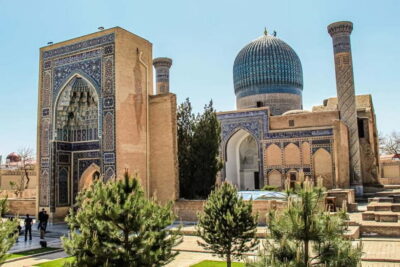
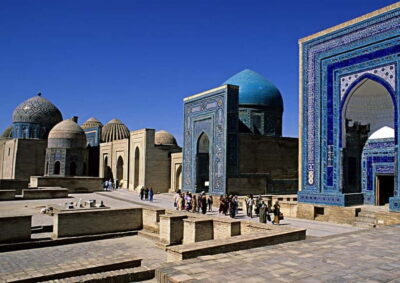
Samarkand One Day Tour: one day walking & group tour
Read our review →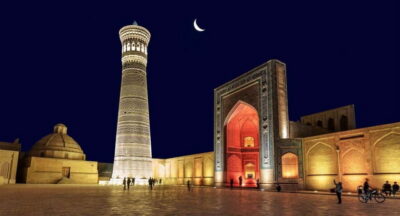
All You Need To Know About Bukhara. A Walk In The Town
Read our review →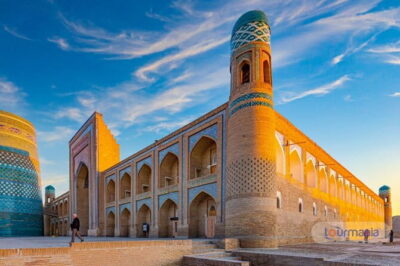
Khiva Historical City Highlights Guided Walking Tour
Read our review →
Tashkent Walking Tour with Local Lady / Gentleman
Read our review →
Samarkand Historical City Highlights Guided Walking Tour
Read our review →
Tashkent Walking & Food Tour: Highlights + Local Flavors
Read our review →Browse the lists this tour appears in