
Reviewed · TASHKENT TOURS
Legends and Crafts: Suzani Masterclass & Cultural Immersion
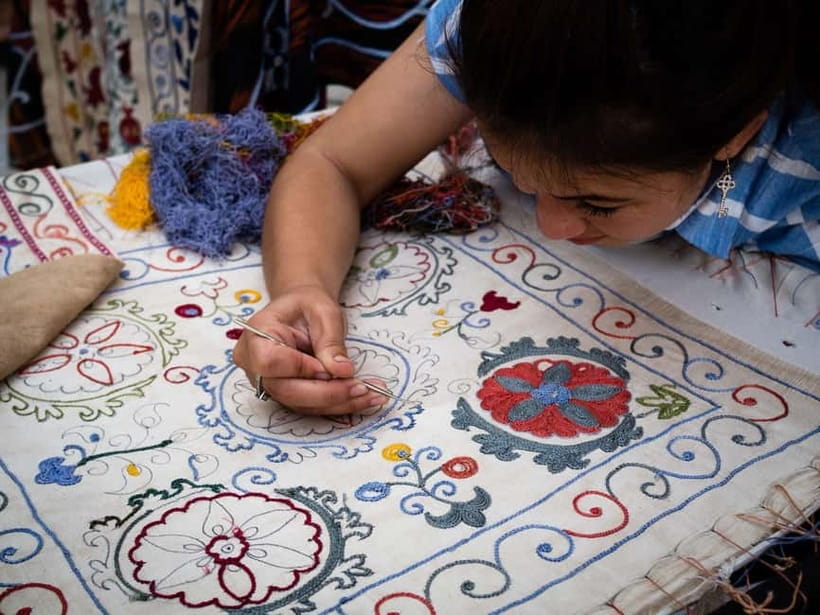
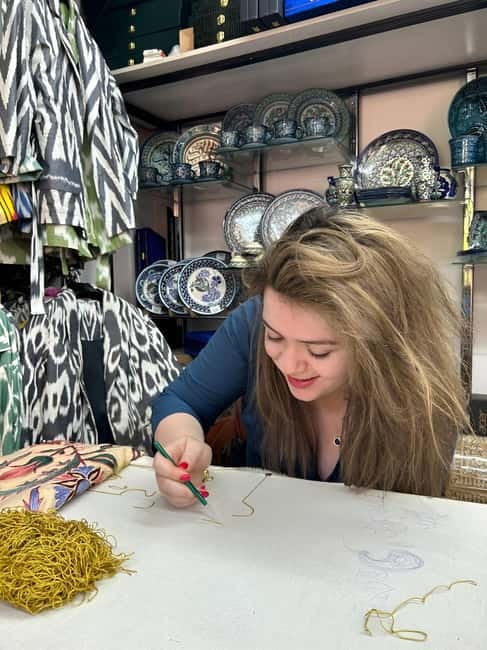
The best part of this Tashkent experience is that you do not simply look at Uzbek crafts, you try one yourself. At an artisan workshop, you learn basic Suzani stitches and make a small embroidered piece, while Yusuf or Yulia explains the symbols, legends, and protective wishes woven into the designs.
I like the clear link between Silk Road trade and local craft, and I like the generous cultural range: textiles, dolls, jewelry, metalwork, food, and old customs all fit into one short outing. The main consideration is time. Three to three and a half hours goes quickly, so this is an introduction rather than a full craft course.
Key points at a glance
- Make your own Suzani: Learn simple stitches and take home a personal embroidered keepsake.
- Meet the stories behind the objects: Uzbek dolls, ikat, jewelry, ceramics, and metalwork are explained through regional customs and legends.
- Start at Navruz Park: Spend about an hour with a cultural guide in an ethnographic setting.
- Eat a full Uzbek meal: Expect non bread, salads, palov, green tea, and water in a garden setting.
- Travel privately: Hotel pickup is available, with English, Polish, Russian, or Uzbek guiding.
- Best timing: I would choose this for your first or second day in Uzbekistan, when advice about textiles, pottery, food, and prices is most useful.
Why Suzani makes a better souvenir than another magnet
Suzani is not just decorative embroidery. It is a cloth tradition filled with flowers, vines, circles, and other forms that carry meaning. The designs are tied to legends and beliefs about protection, blessings, and good fortune.
You do not leave with an expensive finished wall hanging. You make a smaller piece under an artisan’s direction. That is the point. Even a simple sample gives you a better sense of the patience and handwork behind the large Suzani textiles sold in Uzbekistan.
The class lasts about one to one and a half hours. You learn basic stitches and work on a manageable project, so you do not need prior sewing skill. If your stitching is uneven, that is part of the charm. One booking described the student’s own result as far from perfect, but the attempt made the craft easier to understand.
I would set aside room in your luggage for the finished piece. It is a lightweight souvenir, and its meaning comes from the time you spent making it rather than from a gift-shop label.
Other Tashkent days people book alongside this one:
- Best of Tashkent Mountains: Amirsoy, Chimgan & Charvak Trip
★ 4.8 · 567 reviews - Samarkand One Day Tour – Departure From Tashkent
★ 5.0 · 313 reviews - Tashkent City Tour
★ 5.0 · 121 reviews
Navruz Park puts Uzbek crafts in their cultural setting
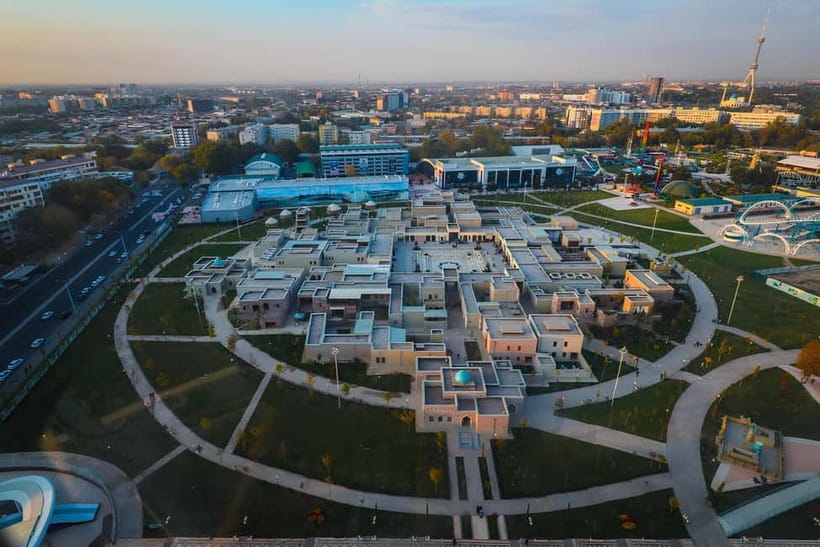
The outing begins with roughly an hour at Navruz Park, an ethnographic setting where the guide connects everyday objects with Uzbek customs and old stories. This is more useful than looking at crafts without context. A textile can be attractive, but its colors, pattern, and use often make more sense once you know how families and regions viewed it.
The Silk Road is a major part of this introduction. Uzbekistan sat along routes linking Asia and Europe, and goods such as textiles and ceramics moved through its cities. The guide explains why handmade items were valuable and how trade brought new materials, methods, and visual ideas into local craft.
You will also look at different Uzbek textiles, including ikat and embroidered cloth. Ikat is especially helpful to see beside Suzani because it shows a different approach to pattern. One is woven with carefully prepared threads, while the other is built through needlework on fabric.
The cultural park portion is not a long museum visit. Think of it as a guided orientation to Uzbek craft traditions. That makes it a strong opening for the workshop, though anyone hoping for a large collection or a detailed art lecture may find the hour fairly compact.
Uzbek dolls, regional clothing, and old beliefs
The experience also includes a look at Uzbek dolls, with examples representing different regions. Each doll reflects local dress and is linked to regional legends or superstitions. This gives you a quick way to see how clothing changes from one part of the country to another.
A particularly enjoyable element is the chance to connect an object with a person. Traditional clothing, jewelry, and dolls are not presented as anonymous souvenirs. They point toward family customs, local identity, and ideas about protection or luck.
One version of the outing has included a visit to a museum showing historic women’s clothing, with the chance to try on a few outfits. Since the exact stops can depend on the day and guide, I would treat this as a possible addition rather than a guaranteed part of every booking.
The craft displays can also tempt you into shopping. That is useful if you are planning to buy textiles or ceramics later, because the guide can help explain quality and value. It is also where the schedule may feel tight. You may want to linger over the goods, but the Suzani class and meal still need their time.
Jewelry and metalwork with meaning attached
Uzbek jewelry and metalwork form another part of the cultural walk. The designs are connected to beliefs about protection and good luck, not simply to decoration. The guide explains how these objects reflect longstanding customs and how people understood their role in daily life.
This is a good reminder not to judge handmade work only by size or polish. A small item may carry a pattern or symbol that means more to its original owner than its material value suggests.
The discussion also touches on globalization. Uzbek artisans now balance older methods with modern tastes and changing markets. That tension matters if you are buying a craft item. A contemporary design is not automatically less authentic, and an old-looking pattern does not tell you everything about how an object was made.
I like this part because it keeps the experience from becoming a simple celebration of the past. You hear about preservation, adaptation, and the practical need for craftspeople to keep earning a living while maintaining traditional ideas.
Same Silk Road, a completely different kind of day:
- Amirsoy, Chimgan & Charvak Full-Day Adventure
★ 4.9 · 82 reviews - Shymkent Day Tour from Tashkent
★ 4.6 · 71 reviews - Highlights of Tashkent (old and new part)
★ 5.0 · 60 reviews - 2 Days Tour to Bukhara and Samarkand from Tashkent by train
★ 5.0 · 53 reviews
The Suzani class: one hour of patient handwork
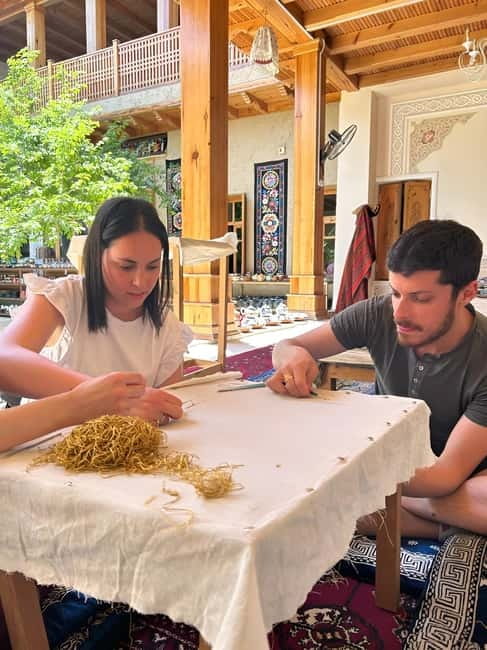
The workshop is the heart of the outing. You sit down with materials and receive guidance from an artisan as you make your own small Suzani piece.
The class is suitable for beginners. You are taught basic stitches and designs rather than expected to produce a large or technically demanding textile. The goal is to understand the work with your hands, not to become an expert embroiderer in one afternoon.
I would pay close attention to the symbols as you work. The patterns are described as carrying protective blessings and helping ward off evil spirits. That cultural explanation changes the activity from a generic craft lesson into a small act of connection with Uzbek tradition.
Patience helps. Embroidery can look simple until you try to keep stitches even and follow a pattern. The class gives you a practical respect for the labor involved in larger pieces, including the time needed for repeated handwork.
The private-group format is another advantage. Yusuf, Yulia, or another guide can answer questions without having to manage a large crowd. Past bookings specifically praised Yusuf’s patience, humor, clear English, and willingness to answer many questions. Yulia has also been described as having strong English and a clear passion for Uzbekistan. Julia and Yusuf have led the experience together on some occasions.
The guide pairing may vary, so confirm who will lead your date if that matters to you. English, Polish, Russian, and Uzbek are offered.
Plov and garden dining finish the cultural lesson
After the craft session, you sit down for a traditional Uzbek meal in a calm garden setting. The meal is not an afterthought. Food is one of the easiest ways to understand a place, and each dish is presented as having its own story and cultural meaning.
The set menu includes:
- Freshly baked non bread
- Shakarob, a tomato and herb salad
- Kuzchi Kayfiyat Salad
- Traditional Uzbek palov with rice, lamb, carrots, and raisins
- Unlimited green tea and water
Palov is the main event. It is a filling rice dish, and by the end of a wider Uzbekistan trip you may have eaten several versions. That is not a reason to skip this meal. It gives you a chance to compare regional preparation, and it anchors the craft stories in an ordinary social pleasure.
If you have already had plenty of palov, mention it to the guide. One booking included a change to another restaurant so the visitor could try different food instead. That suggests useful flexibility, though you should not assume every menu change is included.
Extra sides are available at an additional cost. The included meal is already a full course, so most people should not need to order more unless they want to sample further dishes.
What the $90 price really covers
At $90 per person, this is not the cheapest way to spend three hours in Tashkent. Its value comes from the combination of private transport, a guide, craft instruction, materials, a take-home souvenir, and a full traditional meal.
If you booked a craft class, a private cultural guide, and a restaurant meal separately, the total could become less convenient even before adding hotel pickup. Here, the pieces are arranged into one compact outing, which is useful when your time in Tashkent is limited.
The strongest value is for someone who wants participation rather than sightseeing alone. You are not paying only for access to a park or a meal. You are paying for interpretation, personal instruction, and a souvenir you helped create.
The price is less appealing if you mainly want a large museum collection, extensive shopping time, or an advanced embroidery course. The cultural portion lasts about an hour, and the class is designed for beginners. I would see it as a thoughtful introduction, not a specialist workshop.
Timing, pickup, and the practical details
The total duration is about three to three and a half hours. The published schedule allows around one hour for cultural exploration, one to one and a half hours for Suzani, and about 45 minutes to one hour for the meal. Actual timing may shift slightly depending on transport and how long you spend with the crafts.
Pickup from your Tashkent hotel is available. After booking, send a message to the local guide through WhatsApp and wait in the hotel lobby five minutes before the arranged time. The driver will hold a sign with your last name.
The experience is offered as a private group, which makes it a good fit for couples, families, or friends who want to ask plenty of questions. It also suits solo visitors who prefer a more personal conversation than a large group can provide.
You can reserve now and pay later, and cancellation is allowed up to 24 hours in advance for a full refund. Starting times depend on availability, so check the date carefully before you commit.
The best day to schedule it
I would book this for the first or second day of an Uzbekistan trip. The guide can give you early advice about textile quality, ceramics, regional styles, and sensible prices before you begin shopping elsewhere.
It also gives you a useful first taste of Uzbek food and customs. Several bookings described the outing as a good way to begin a visit, while one person chose it as a pleasant ending. Both choices work, but the first-day advantage is practical: you learn what you are looking at before the bazaars and craft shops compete for your attention.
As a final-day activity, it works well if you want a relaxed meal and a personal souvenir before leaving. Just allow enough time after the tour if you need to pack the embroidery or reach another appointment.
Who will enjoy this most
I would recommend it to you if you:
- Like meeting local crafts through stories and hands-on work
- Want a meaningful souvenir rather than a mass-produced item
- Have limited time in Tashkent
- Enjoy food as part of cultural learning
- Prefer a private group and the chance to ask questions
- Are curious about how old traditions change in modern Uzbekistan
It may not suit you if you want a full-day craft apprenticeship, a highly technical embroidery class, or a large museum-focused program. The experience covers several subjects at a brisk pace, so its strength is range and personal contact.
Families may appreciate the practical activity, though the information is centered on history, symbols, textiles, and customs. Anyone with limited interest in crafts could find the workshop slow, especially if they prefer active sightseeing.
Should you book the Suzani experience?
Book it if you want to understand Uzbek craft by making something, eating something, and asking questions along the way. The combination of Navruz Park, Silk Road context, dolls, jewelry, embroidery, and palov gives you a useful introduction in a small amount of time.
I especially like it for a first or second day in Tashkent. Yusuf and Yulia have been praised for clear communication, warmth, humor, and practical help beyond the scheduled activity. That kind of guide can make a short outing feel much more personal.
Skip it if your priority is advanced textile study or a long, unhurried shopping session. For most visitors who want an authentic, participatory afternoon at a reasonable all-in-one price, the $90 cost is justified by the private format, materials, meal, pickup option, and handmade souvenir.
FAQ
Where does this experience take place?
The experience is based in Tashkent Province, with pickup available from Tashkent hotels. The program includes Navruz Park, an artisan workshop, and a local restaurant.
How long does the activity last?
Allow about three to three and a half hours. The cultural exploration takes about one hour, the Suzani class takes one to one and a half hours, and the meal takes roughly 45 minutes to one hour.
What is included in the $90 price?
The price includes hotel pickup, guided cultural exploration, Suzani materials and instruction, a take-home embroidered piece, and a full traditional Uzbek meal.
What food is included?
The meal includes non bread, Shakarob, Kuzchi Kayfiyat Salad, traditional palov with lamb, carrots, raisins, and rice, plus unlimited green tea and water. Additional sides cost extra.
Do I need embroidery experience?
No. The class teaches basic stitches and designs and is intended as a hands-on introduction. Materials and guidance from an artisan are included.
Can I take my embroidery home?
Yes. The small embroidered piece you create is included as a take-home souvenir.
Which languages are available?
Guiding is available in English, Polish, Russian, and Uzbek. Yusuf and Yulia have led sessions in English.
Is the tour private?
Yes. It is offered for a private group, allowing you to ask questions and receive individual help during the craft session.
What are the booking and cancellation terms?
You can reserve and pay later, subject to availability. You may cancel up to 24 hours before the experience for a full refund. After booking, contact the local guide through WhatsApp about pickup details.
Just added around Tashkent
- Private Intercity Transfer Tashkent – Samarkand – Tashkent★ 3.5 · 3 reviews
- Tashkent Mountain Tour Amirsoy with Transport★ 3.5 · 3 reviews
- Tashkent-Samarkand-Bukhara tour-3nights/4 days★ 5.0 · 5 reviews
- Tashkent Food and Metro Journey★ 5.0 · 4 reviews
- Amirsoy & Chimgan mountain tour from Tashkent★ 5.0 · 3 reviews
- Private Tashkent City Tour★ 5.0 · 3 reviews
- Silk Road Secrets Tour in Uzbekistan★ 5.0 · 4 reviews
- Transfer Tashkent Airport / Railway Station – Hotel★ 3.5 · 3 reviews
Tashkent Tours, compared.
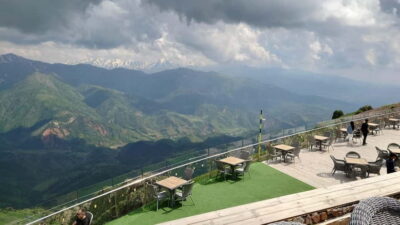
Best of Tashkent Mountains: Amirsoy, Chimgan & Charvak Trip
Read our review →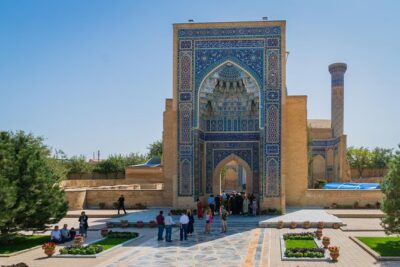
Samarkand One Day Tour – Departure From Tashkent
Read our review →
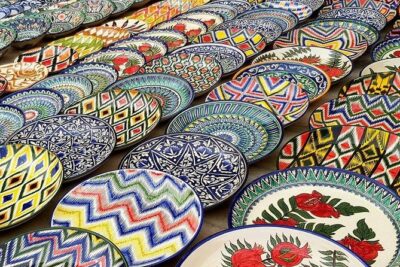
2 Days Tour to Bukhara and Samarkand from Tashkent by train
Read our review →
Uzbekistan 6 days private tour Tas-Khiva-Buk-Sam-Tas
Read our review →
Uzbekistan 8 Days Private Tour Tashkent-Urgench-Bukhara-Samarkand-Tashkent
Read our review →Browse the lists this tour appears in