
Reviewed · HIKING & TREKKING
Hiking tour to Hayat, Uhum and Asraf villages – 4 days
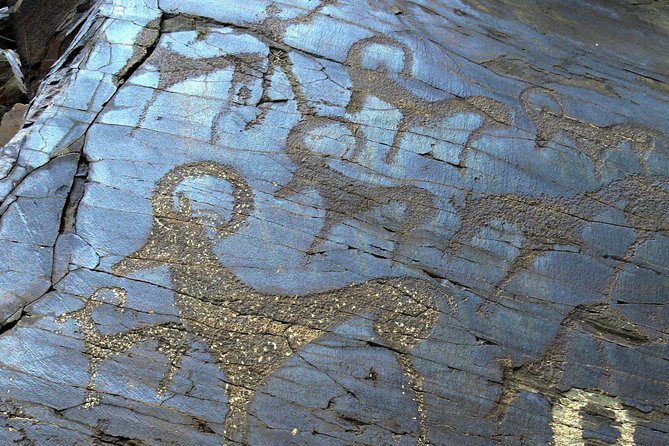
The best part of this four-day trip is the route itself: you leave Bukhara’s grand architecture behind and walk through small Nuratau Mountain villages where daily life still follows mountain paths, shared meals, and local water sources. Village homestays give the trip its human touch, while the trail brings petroglyphs, old irrigation channels, a Mongol fortress, and endangered wild sheep into the picture.
I like the useful one-way design, with pickup in Bukhara and drop-off in Samarkand, and I like that meals, transfers, guides, and luggage transport are built into the price. The chance to help prepare Uzbek food with your hosts is another fine touch. The main consideration is the walking: two days run about 11 to 12 kilometers and roughly five hours, and the route includes several long days in the mountains.
Key points to know before booking
- Four villages, one practical route: Travel from Bukhara to Hayat, then hike through Ukhum and Asraf before reaching Eski Forish.
- A real homestay experience: Sleep in local homes and share meals rather than returning to a conventional hotel each night.
- History along the trail: See petroglyphs, ancient irrigation channels, a community watermill, Mongol fortress ruins, and a medieval observation point.
- Luggage moves by donkey: Your bags are transported between Ukhum and Asraf, so you can walk with a lighter day pack.
- A small-group format: The maximum group size is 12 people, enough for company without turning village paths into a parade.
- Strong value for a point-to-point trip: The $380 price includes meals and key transport, with Samarkand added at the end.
From Bukhara’s Lyabi Haus to the Nuratau Mountains
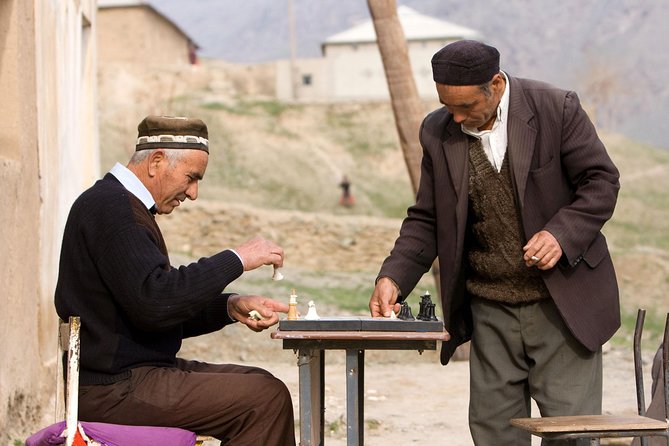
Your trip begins in Bukhara, at the statue of Khodja Nasreddin beside Lyabi Haus Pool. The published details give an 8:30 meeting time and a 9:00 a.m. start time, so I would confirm the exact pickup time with Nuratau Travel before you set out.
The drive to Hayat takes about four and a half hours. That is a serious transfer, but it also explains why this route works well as a bridge between Uzbekistan’s famous historic cities and its rural mountain country. Instead of spending four days returning to Bukhara, you finish in Samarkand, at the Gur Amir Mausoleum.
The first day is mainly about reaching the mountains, settling into village life, and beginning to slow down. You arrive in Hayat around lunchtime, then settle into a local homestay. Meals are included, which matters here. Rural stops are not built around a row of cafes, and having food arranged removes a layer of planning from a trip where the main job is walking and paying attention.
A few more Bukhara trips to weigh up
- From Bukhara: 3-Day Yurt Stay, Hiking & Lake Aydarkul
★ 5.0 · 5 reviews - 2 Day Ukhum Hiking Tour from Bukhara
★ 5.0 · 4 reviews - Yurt stay and Hiking in the Nurata Mountains tour – 2 days
★ 5.0 · 35 reviews
Hayat village and a first taste of local life
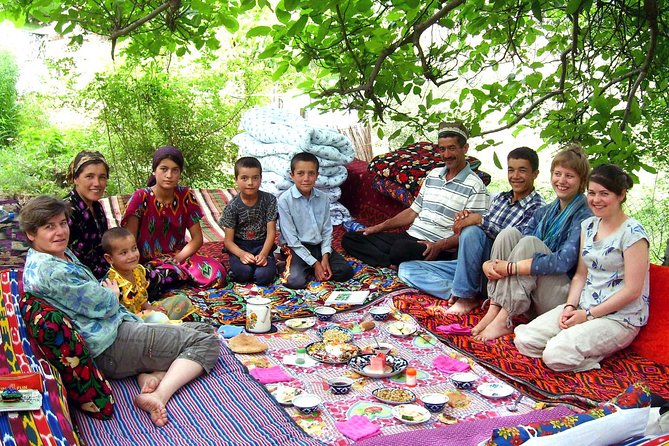
Hayat is your introduction to the Nuratau Mountains. The tour does not treat the village as a quick photo stop. You stay there, eat there, and have the option of helping your hosts prepare Uzbek dishes.
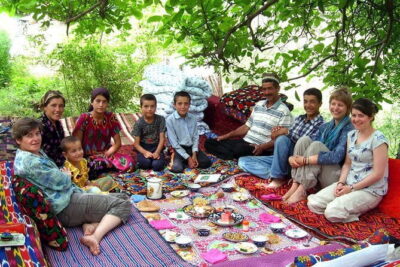
That small invitation can make a big difference. A meal in a homestay is not the same as ordering something from a city menu. You get a closer look at how a family organizes its day and how food fits into village life. The tour information does not promise a formal cooking class, so think of this as a chance to lend a hand and talk with your hosts, not a scheduled culinary lesson.
The local families and guides are a major part of the appeal. The most favorable feedback about this trip focuses on warm host families, friendly guides, and drivers who arrive on time and handle the transfers safely. Those details sound basic, but they matter when your itinerary depends on long road journeys and several changes of place.
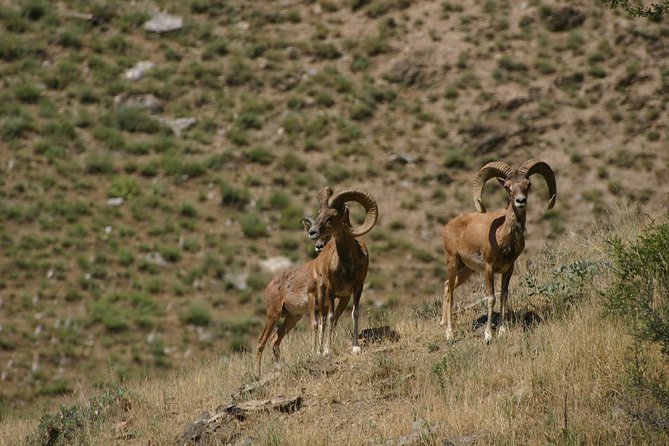
You may also have a chance to see endangered wild sheep during the mountain portion of the trip. Wildlife sightings are never guaranteed, so I would treat this as a welcome possibility rather than the main reason to book. The villages, walking, and local contact are the dependable parts.
Day two: 12 kilometers from Hayat toward Ukhum
On the second morning, you meet your mountain guide and begin the longest hike of the trip by distance, about 12 kilometers over roughly five hours. The route leads toward Ukhum and includes ancient irrigation channels, a petroglyph site, and contact with local people along the way.
The irrigation channels are more than old stones beside a path. In a dry region, water control explains where villages could take root and how farms could survive. Seeing these channels while walking between settlements gives you a better sense of the practical work behind village life than a short stop at a city monument would.
The petroglyph site adds another layer. You are not only walking through present-day Uzbekistan, but also passing evidence of people who used these mountains long before the current villages took shape. The available details do not specify the age or exact subjects of the carvings, so the guide’s explanation will be important. This is one of the moments when a local guide can add context that a guidebook cannot provide on the spot.
At around five hours, this is not a punishing expedition for every fit walker, but it is not a casual stroll. You should be comfortable walking for most of a day and ready for mountain paths rather than paved streets. The maximum group size is 12, which should allow the guide to keep the pace manageable, though the exact pace will depend on the group.
You spend the night in Ukhum. Again, the point is not luxury. The attraction is sleeping in a local home, eating a prepared meal, and waking close to the route instead of losing another day to transport.
Day three: Ukhum, a watermill, and fortress ruins
Day three starts with packing up and walking down via Ukhum toward Asraf. The hike covers about 11 kilometers and takes roughly four and a half hours. Your luggage is carried by donkeys, a practical detail that lets you walk without hauling your main bags over the full route.
You should still carry what you need for the day. The tour information confirms that luggage is transported, but it does not spell out the exact bag limit or what you will need overnight. Ask Nuratau Travel before departure so you know which items go with the donkeys and which stay with you.
The route includes a community watermill and the ruins of a Mongol fortress. These stops give the day a useful rhythm. You are not simply counting kilometers. You move through working village infrastructure and old defensive remains, seeing how water, farming, travel, and protection shaped the area at different times.
The watermill is especially valuable because it connects the route to community life today. A ruin can be interesting, but a shared local facility shows how people still use and maintain resources. The fortress ruins, by contrast, point to the region’s earlier military importance. Together, the two stops make the day feel more grounded than a walk based only on scenic viewpoints.
You arrive in Asraf and settle in for another homestay night. The supplied details refer to the destination as Asraf, with a later mention of Yahs…, so the exact wording in the trip plan may be abbreviated. That should not affect the route, but it is another reason to ask for the final day-by-day plan before you leave.
Same Silk Road, a completely different kind of day:
- Best of Bukhara: All Day Private Old Town Tour
★ 5.0 · 66 reviews - Best of Bukhara: All Day Private Old Town Tour
★ 4.9 · 62 reviews - City Tour Around Bukhara
★ 5.0 · 55 reviews - Bukhara Full Day Old City Private Tour
★ 5.0 · 46 reviews
Day four: Eski Forish and the medieval lookout
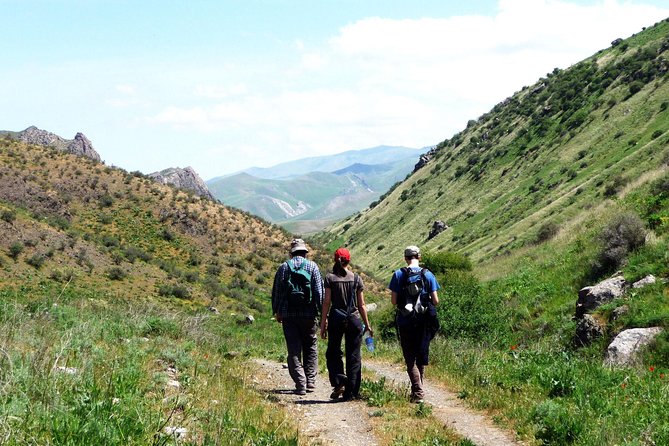
The final hiking day is described as an easy hike from Asraf to Eski Forish and back, totaling about 11 kilometers and five hours. Even with the word easy, five hours on foot is a full outing. In this context, easy likely refers to the route’s difficulty compared with the previous mountain walks, not to a short walk requiring no preparation.
The main historical stop is the ruin of a medieval observation point. Its purpose is easy to understand from the setting: high routes and valleys needed watching, and elevated positions offered a useful view over movement through the mountains. The tour information does not give the exact condition of the ruins or the height involved, so let your guide set expectations.
You return to Asraf for lunch, then leave for Samarkand. This is a sensible finish. You get one final village meal before a road transfer, rather than leaving directly from a trail with no time to regroup.
The tour ends at the Gur Amir Mausoleum in Samarkand. That drop-off is especially useful if you are building a classic Uzbekistan route. You begin near Bukhara’s Lyabi Haus and finish by one of Samarkand’s best-known monuments, with four days of rural travel connecting the two.
What the $380 price covers in practical terms
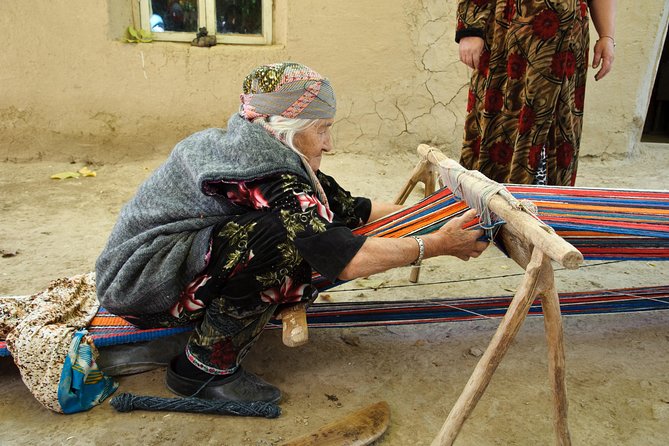
At $380 per person, this is not simply a four-day walking guide. The value comes from the package: pickup in Bukhara, transport through the mountain region, drop-off in Samarkand, mountain guiding, homestay accommodation, included meals, and donkey transport for luggage.
Meals included in the price are a real advantage. You do not need to budget separately for each breakfast, lunch, or dinner on the route, and you are less likely to lose time searching for food in small villages. The tradeoff is that you have less control over where and when you eat, which is normal for a point-to-point rural trip.
The transport arrangement also adds value. A private version of this route would require you to arrange a long transfer from Bukhara, local transport between villages, a guide, lodging, food, and the final trip to Samarkand. Here, the logistics are handled for you, leaving more time for walking and conversation.
The group limit of 12 keeps the price below what you might pay for a private trek while still offering company on remote paths. If you strongly prefer to set your own walking pace or stop whenever you like, a private arrangement may suit you better. If you want the security and social ease of a small group, this format makes sense.
The 4.9 rating from 12 reviews and a 100 percent recommendation rate suggest a very strong record, though the sample is small. I would read those numbers as support for the quality of the overall setup, not as a promise that every person will find five-hour hikes or homestay living comfortable.
Who will enjoy this route most
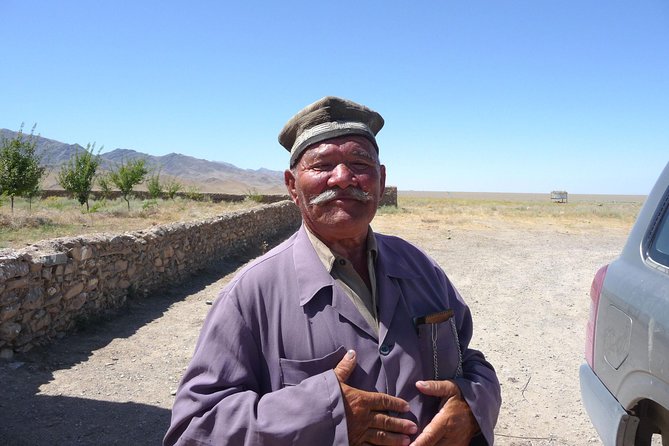
I would recommend this trip to you if you want Uzbekistan to be more than Bukhara, Samarkand, and the usual historic centers. It suits people who enjoy walking, local meals, simple lodging, and seeing how rural communities live.
It is also a good match if you want a guided route that would be awkward to arrange alone. The tour takes you to villages that are difficult to explore independently, and the guide handles the movement of people, food, and luggage.
You should think twice if you want polished hotels, free evenings, or short walks. Three of the four days include roughly five hours on foot, and the first day includes a four-and-a-half-hour drive. The homestay setting is a feature, not a substitute for a standard hotel.
The trip should also appeal to anyone interested in the connection between nature and history. Petroglyphs, irrigation channels, a working watermill, fortress ruins, and an observation point give the walk plenty of purpose. You are not just looking at mountains. You are seeing how people used them, crossed them, defended them, and found water in them.
Timing, group size, and small details worth checking
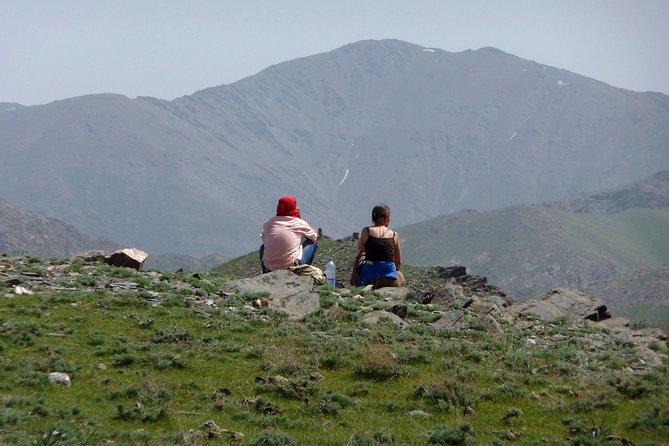
This is a four-day trip with a maximum of 12 participants. It is usually booked about 15 days ahead, which gives you a useful planning guide, though availability can change.
The meeting point is the Khodja Nasreddin statue at Lyabi Haus Pool in Bukhara. The final stop is the Gur Amir Mausoleum in Samarkand. Because the published start information gives both 8:30 a.m. and 9:00 a.m., confirm the precise meeting time and pickup instructions before the tour date.
Confirmation is provided when you book. Most people can participate, according to the supplied information, but the route still requires reasonable walking fitness. Weather matters, and the operator may cancel in poor conditions or if the minimum number of participants is not reached. In either case, you are offered another date or experience, or a full refund.
You can cancel for a full refund up to three full days before the start time. Inside that window, cancellations and changes are not accepted for a refund.
Should you book the Hayat, Ukhum, and Asraf hike?
Book this tour if you want a rural counterpoint to Uzbekistan’s famous cities, and if four to five hours of mountain walking sounds enjoyable rather than burdensome. The combination of homestays, included meals, local guides, historical stops, and one-way transport gives the trip a clear purpose and good practical value.
I would not book it for a soft countryside break. The drive from Bukhara is long, the hikes take most of several days, and the homestays are likely to feel more simple than a city hotel. But if you are willing to trade comfort and control for village contact, mountain paths, and a useful route into Samarkand, this is one of the stronger ways to add rural Uzbekistan to a first visit.
FAQ
How long is the hiking tour?
The tour lasts approximately four days.
Where does the tour begin?
It begins in Bukhara at the Khodja Nasreddin statue beside Lyabi Haus Pool.
Where does the tour end?
The tour ends at the Gur Amir Mausoleum in Samarkand.
What is the tour price?
The price is $380 per person.
Are meals included?
Yes. Meals are included, so you do not need to pay separately for them during the tour.
Where do you sleep?
You stay in local village homestays in the Nuratau Mountain area.
How far is the longest hike?
The second-day hike from Hayat toward Ukhum is about 12 kilometers and takes roughly five hours.
Is luggage transported during the hikes?
Yes. On the hike from Ukhum to Asraf, luggage is transported by donkeys.
How many people can join the tour?
The maximum group size is 12 participants.
Just added around Bukhara
- Full-Day Private Guided Tour to Islamic 7 Saints of Bukhara★ 4.5 · 3 reviews
- Bukhara Walking Tour★ 5.0 · 4 reviews
- Bukhara in a Day History, Culture, and Local Insight Private Tour★ 5.0 · 4 reviews
- 2 Day Ukhum Hiking Tour from Bukhara★ 5.0 · 4 reviews
- A Complete Chapter To Old Bukhara★ 5.0 · 5 reviews
- Bukhara: Full-Day Guided Tour with English-Speaking Guide★ 5.0 · 4 reviews
- Uzbekistan 8 Days Private Guided Tour★ 4.6 · 3 reviews
- 2 – Days Guided Tour of Samarkand and Bukhara from Tashkent★ 5.0 · 5 reviews
Hiking & Trekking, compared.
Yurt stay and Hiking in the Nurata Mountains tour – 2 days
Read our review →
Browse the lists this tour appears in